
Quick Read
- Israeli PM Netanyahu accused UK Labour leader Starmer of rewarding terrorism over Palestine recognition plans.
- Starmer demanded Israel lift Gaza aid restrictions, cease annexation, and commit to peace for UK not to recognize Palestine.
- Netanyahu’s comments sparked debates, with critics claiming the move legitimizes terrorism.
- 144 UN member states recognize Palestine, but only a handful of European nations do so.
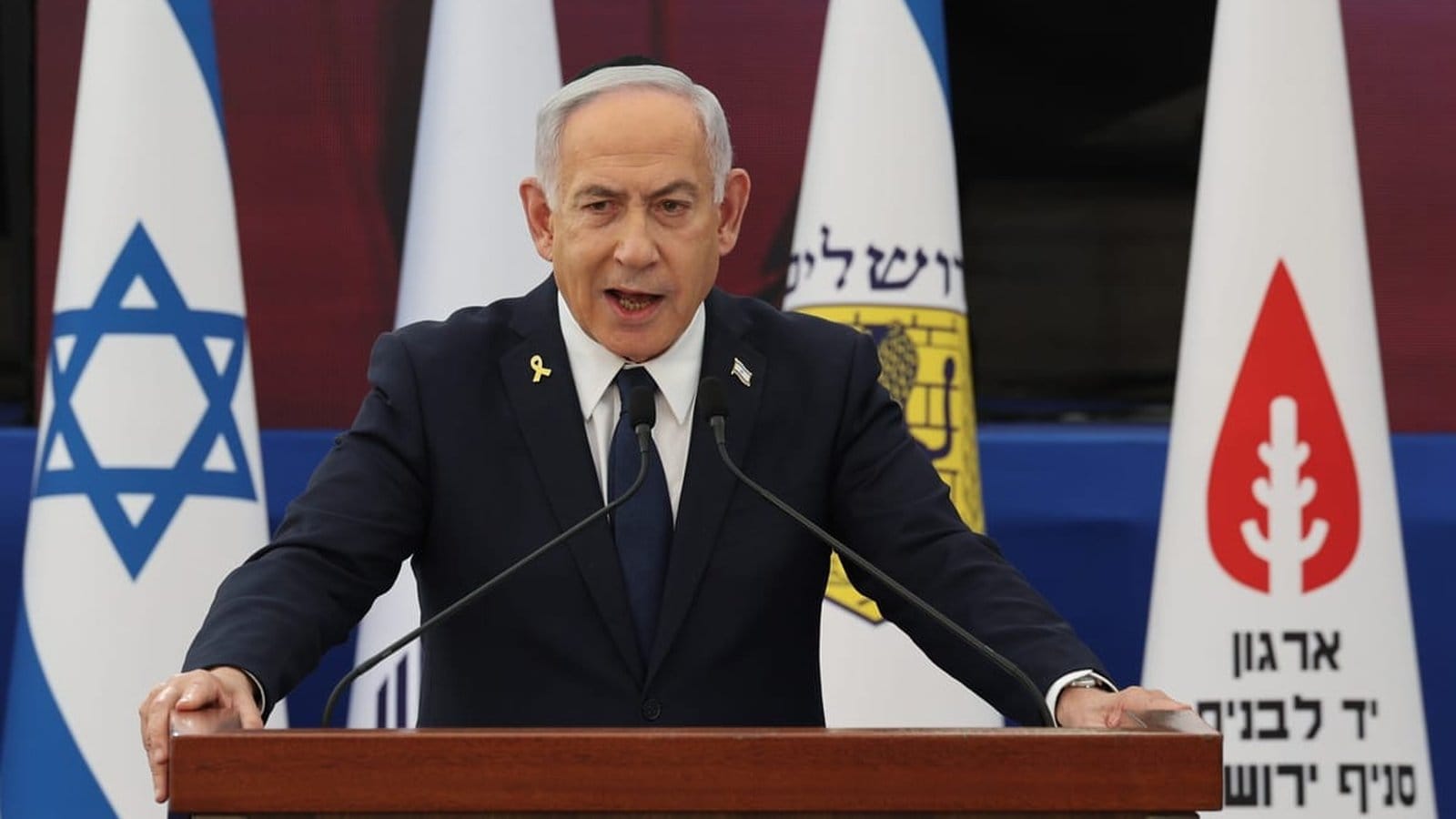
The escalating tensions between Israel and the United Kingdom took a sharp turn on July 30, 2025, when Israeli Prime Minister Benjamin Netanyahu issued a scathing condemnation of UK Labour leader Sir Keir Starmer. Netanyahu accused Starmer of “rewarding Hamas’s monstrous terrorism” following the latter’s declaration that the UK would recognize Palestine as an independent state unless Israel took urgent measures to address the ongoing humanitarian crisis in Gaza.
The Roots of the Controversy
Sir Keir Starmer’s statement came during an emergency cabinet meeting convened to discuss the dire situation in Gaza. The Labour leader announced that the UK would officially recognize Palestine unless Israel agreed to a set of conditions within two months. These conditions included lifting restrictions on aid to Gaza, ceasing annexation activities in the West Bank, committing to a long-term peace process, and implementing an immediate ceasefire. Starmer also demanded that Hamas, the governing authority in Gaza, release all Israeli hostages, disarm, and relinquish its role in Gaza’s governance.
The humanitarian crisis in Gaza has reached alarming levels, with a United Nations assessment warning of severe food shortages and deteriorating living conditions. Local officials report that over 60,000 people have lost their lives since the conflict erupted in October 2023. In this context, Starmer’s plan aims to pressure both Israel and Hamas into taking steps toward peace while addressing the immediate needs of the affected population.
Netanyahu’s Response and Global Backlash
Netanyahu’s response was swift and uncompromising. Taking to social media, he accused Starmer of appeasing terrorists and punishing their victims. “Appeasement towards jihadist terrorists always fails. It will fail you too,” Netanyahu wrote, referring to Starmer’s demands as a “reward for Hamas’s monstrous terrorism.” His comments have sparked a heated debate, with both supporters and critics weighing in on the implications of Starmer’s proposal.
Critics of Starmer’s approach, including the Hostages and Missing Families Forum, argue that recognizing Palestine while Israeli hostages remain in Hamas’s custody is tantamount to legitimizing terrorism. In a statement, the Forum declared, “Such recognition is not a step toward peace but a dangerous moral and political failure.” British charities and opposition MPs have also criticized Starmer for using Palestinian statehood as a bargaining chip, questioning whether this tactic aligns with international law and ethical standards.
Historical Context and Broader Implications
The question of Palestinian statehood has long been a contentious issue in international politics. While 144 of the 193 United Nations member states recognize Palestine, only a handful of European Union countries, including Sweden and Cyprus, have done so. The UK’s hesitation to formally recognize Palestine stems from its historical ties to Israel and concerns over the implications for the Middle East peace process.
In recent years, countries like Ireland, Norway, and Spain have recognized a Palestinian state, emphasizing the need for a two-state solution. However, these recognitions often come with caveats, such as the understanding that borders will be negotiated in future peace talks. The UK government’s current stance represents a significant shift, signaling a willingness to take decisive action if progress is not made toward resolving the conflict.
Reactions from the Arab World and Beyond
The Arab world has also weighed in on the ongoing crisis, with countries like Qatar, Saudi Arabia, and Egypt urging Hamas to disarm and relinquish control of Gaza. In a joint statement, these nations called for international engagement to pave the way for a sovereign and independent Palestinian state. This marks a notable shift in regional dynamics, as Arab states increasingly prioritize stability and peace over ideological alignment with Hamas.
Meanwhile, the United States has largely supported Israel’s position, with U.S. Ambassador to Israel Mike Huckabee blaming the United Nations for the worsening humanitarian situation in Gaza. Huckabee accused the UN of failing to distribute lifesaving aid and criticized Hamas for exacerbating the crisis. These comments underscore the complex web of international alliances and rivalries that continue to shape the conflict.
*As tensions rise, the debate over Palestinian statehood and the broader Israeli-Palestinian conflict remains a deeply polarizing issue. While Starmer’s proposal has ignited fierce criticism, it also highlights the urgent need for a renewed focus on peace and humanitarian relief in one of the world’s most protracted conflicts.*