
Quick Read
- The Gaza ceasefire talks collapsed on July 25, with Netanyahu and Trump blaming Hamas for the impasse.
- International criticism of Israel’s actions in Gaza is mounting, with France recognizing Palestinian statehood.
- Israeli airstrikes in Syria and Gaza have strained U.S.-Israel relations, catching the Trump administration off guard.
- The July 11 murder of Palestinian American Saif Musallet has drawn sharp U.S. condemnation and calls for accountability.
- Analysts believe U.S.-Israel relations remain strong despite growing tensions.
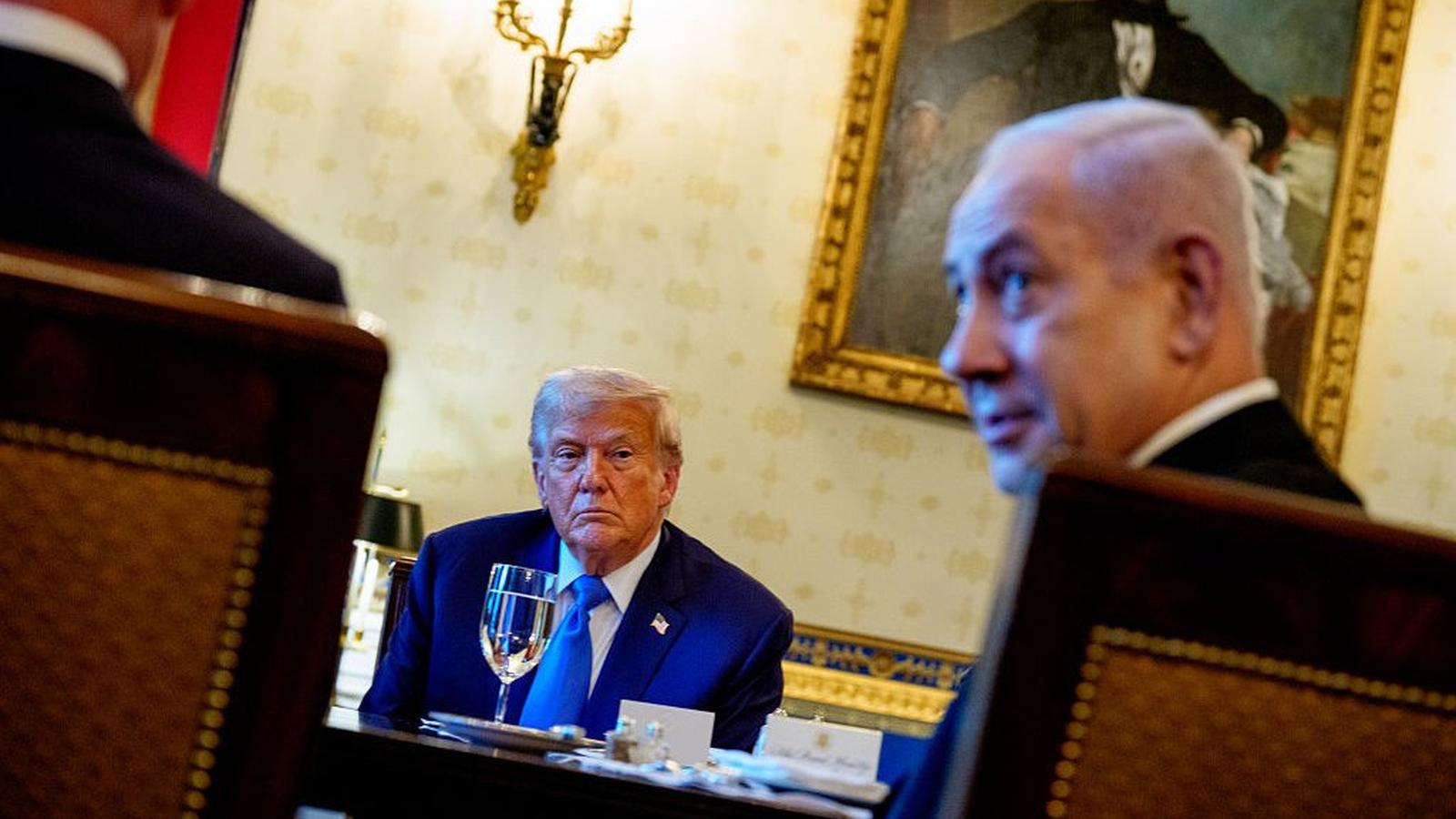
The relationship between Israeli Prime Minister Benjamin Netanyahu and U.S. President Donald Trump has come under scrutiny amidst escalating violence in Gaza, failed ceasefire negotiations, and rising international criticism. The two leaders, who have often touted their close alliance, now appear at odds over Israel’s recent military actions and the derailed Gaza peace talks.
Gaza Ceasefire Talks Collapse
On July 25, U.S. and Israeli delegations abruptly withdrew from ceasefire negotiations in Qatar aimed at resolving the 21-month Israel-Hamas war. According to Reuters, Netanyahu cited Hamas’s unwillingness to cooperate, stating, “Israel will seek alternative means to achieve its goals in Gaza.” Meanwhile, President Trump expressed frustration, declaring that Hamas leaders “will now be hunted down,” signaling a hardline stance against the militant group.
The talks, mediated by Qatar and Egypt, had shown some progress, with proposals for a 60-day suspension of fighting and the release of hostages. However, the collapse of negotiations underscores the complexity of achieving peace in the region. Mediators emphasized their commitment to continuing efforts, but the immediate future of the ceasefire remains uncertain.
International Criticism and Humanitarian Concerns
The deteriorating humanitarian situation in Gaza has drawn sharp criticism from international actors and U.S. lawmakers. As reported by Politico, prominent Democrats, including Senators Jeanne Shaheen and Mark Warner, urged the Trump administration to pressure Netanyahu to restore humanitarian aid to Gaza. The conflict has left most of Gaza’s population homeless and reliant on dwindling resources.
French President Emmanuel Macron took a bold step by announcing France’s recognition of an independent Palestinian state, a move criticized by Trump, who dismissed it as inconsequential. Meanwhile, the U.N. and humanitarian organizations have called for immediate action to alleviate the crisis, warning of escalating starvation and suffering in the region.
Israeli Airstrikes and U.S. Discontent
Israel’s military actions have further strained relations with the Trump administration. In mid-July, Israeli airstrikes targeted Syrian military facilities and Gaza’s Holy Family Catholic Church, resulting in civilian casualties. According to TIME, the White House was caught off guard by these actions, with Press Secretary Karoline Leavitt stating that Trump had not approved the strikes.
Netanyahu defended the strikes as necessary for Israel’s security, but the incidents have drawn condemnation from both domestic and international critics. Pope Leo XIV expressed deep sorrow over the church bombing, while the U.S. envoy to Syria, Tom Barrack, worked to negotiate a fragile ceasefire in the region.
Mounting Tensions Over Settler Violence
The July 11 murder of Palestinian American Saif Musallet by Israeli settlers in the West Bank has added another layer of tension. The attack, which involved settlers blocking emergency medical aid, has been labeled a “criminal and terrorist act” by U.S. Ambassador to Israel Mike Huckabee. The incident has prompted calls for accountability and highlighted the rising violence in the West Bank, as noted by U.N. spokesperson Thameen Al-Kheetan.
Shifting Dynamics in U.S.-Israel Relations
While Trump has voiced frustration with Netanyahu’s actions, analysts believe the bilateral relationship remains fundamentally unchanged. As Phyllis Bennis of the Institute for Policy Studies told KTAR, “Trump’s frustration with Netanyahu rarely translates into substantive shifts in U.S. policy toward Israel.” The U.S. continues to provide critical military and diplomatic support to Israel, despite growing tensions.
Netanyahu’s strategy of appeasing Trump through symbolic gestures, such as nominating him for a Nobel Peace Prize, has so far preserved their alliance. However, experts warn that unchecked Israeli military actions could undermine U.S. credibility in the region and strain ties further.
The evolving dynamics between Netanyahu and Trump highlight the challenges of navigating complex geopolitical conflicts while maintaining strong bilateral alliances. As the Gaza crisis deepens, the world watches closely to see whether diplomacy can prevail over discord.