
Quick Read
- Ultra-Orthodox United Torah Judaism (UTJ) party resigns key positions in protest of conscription laws.
- Shas party considers leaving Netanyahu’s coalition, risking loss of parliamentary majority.
- Netanyahu faces dual challenges of coalition tensions and ceasefire talks with Hamas.
- Knesset summer recess may provide Netanyahu time to resolve crisis.
Israeli Prime Minister Benjamin Netanyahu is grappling with a political crisis as his ultra-Orthodox coalition partners threaten to withdraw from the government, citing grievances over military conscription laws. The potential exit of these parties could jeopardize Netanyahu’s razor-thin parliamentary majority, risking a government collapse just weeks before the Knesset enters its summer recess.
Ultra-Orthodox Resignations Spark Political Turmoil
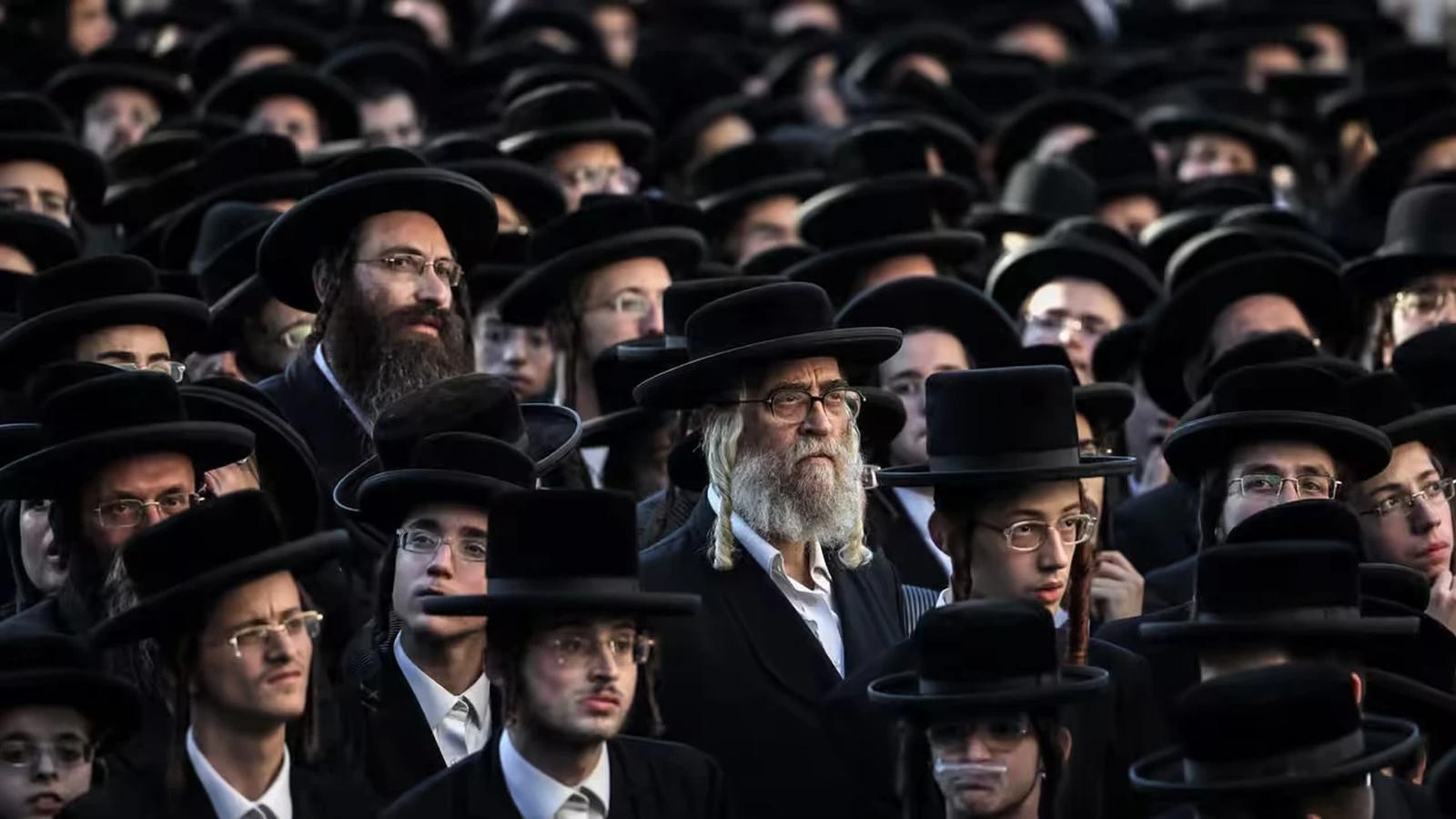
On July 15, members of the ultra-Orthodox United Torah Judaism (UTJ) party announced their decision to resign from key parliamentary committees and government positions. This protest stems from disagreements over a proposed conscription bill, which would exempt a significant number of ultra-Orthodox men from mandatory military service. According to Reuters, six UTJ lawmakers submitted their resignations, which will take effect within 48 hours, providing Netanyahu with a narrow window to address their concerns.
The spiritual leaders of UTJ, Rabbis Dov Lando and Moshe Hillel Hirsch, have been vocal about their dissatisfaction, accusing the government of failing to honor commitments to protect yeshiva students, who are traditionally exempt from conscription to focus on Torah study. As The Cradle reports, these resignations include prominent figures such as Uri Maklev, Moshe Gafni, and Yitzhak Pindrus, who held influential roles in various parliamentary committees.
Shas Party Weighs Its Options
The crisis deepened when the ultra-Orthodox Shas party, another key ally in Netanyahu’s coalition, announced that it would convene to decide whether to follow UTJ’s lead. The Council of Torah Sages, the spiritual leadership of Shas, expressed concerns over what they described as “unacceptable harm” to Torah students, further escalating tensions. Should Shas also exit the coalition, Netanyahu’s 61-seat majority in the 120-member Knesset would be lost, leaving his government in a precarious position.
According to The Cradle, this is not the first time Netanyahu’s government has faced threats from ultra-Orthodox parties. A similar standoff occurred earlier this year, just before the outbreak of a 12-day war, when U.S. diplomatic pressure convinced the parties to remain in the coalition. However, the current dispute over conscription laws appears to have pushed the parties to the brink.
Implications for Netanyahu’s Leadership
Despite the immediate crisis, Netanyahu may still have time to navigate the political storm. As Reuters highlights, the Knesset’s summer recess, set to begin at the end of July, could provide the prime minister with up to three months to broker a resolution. Nevertheless, the loss of support from ultra-Orthodox parties would severely weaken Netanyahu’s ability to govern effectively, particularly as he faces mounting pressure from far-right elements within his coalition over ongoing ceasefire negotiations with Hamas in Qatar.
The talks, aimed at securing a temporary 60-day truce in Gaza, have sparked tensions within Netanyahu’s coalition, with some members opposing any concessions to Hamas. Balancing these competing demands while addressing the grievances of his ultra-Orthodox allies presents a formidable challenge for the Israeli leader.
Historical Context and Broader Implications
The debate over military conscription for ultra-Orthodox men has long been a contentious issue in Israeli politics. Historically, yeshiva students have been exempt from mandatory service under arrangements dating back to the early years of the state. However, critics argue that these exemptions are unfair and place an undue burden on other segments of Israeli society.
The current standoff underscores the fragility of Netanyahu’s coalition, which relies on the support of diverse and often conflicting factions. It also highlights the broader societal divisions in Israel, where questions of religion, equality, and national security frequently intersect. As the Knesset prepares for its summer recess, the coming weeks will be critical in determining whether Netanyahu can maintain his coalition or whether new elections will loom on the horizon.
As the situation unfolds, Netanyahu’s political acumen will be put to the test in navigating this complex and high-stakes crisis.