
Quick Read
- Israel’s airstrike on Hamas leadership in Qatar has sparked global condemnation.
- Qatar’s prime minister called the attack ‘state terror’ and accused Netanyahu of sabotaging peace talks.
- The strike disrupted U.S.-backed Gaza ceasefire negotiations and strained Israel’s diplomatic relations.
- The attack has exacerbated Gaza’s humanitarian crisis, with starvation and malnutrition reaching critical levels.
- An emergency Arab-Islamic summit in Doha is expected to discuss regional responses.
Israeli Prime Minister Benjamin Netanyahu’s decision to target Hamas leadership in Qatar has sent shockwaves through the Middle East and beyond. The unprecedented airstrike on Doha, which killed six individuals, including five Hamas members, has drawn sharp condemnation from global leaders, undermined delicate Gaza ceasefire negotiations, and further isolated Israel on the international stage. Qatar, a key U.S. ally and mediator in the ongoing Israel-Hamas conflict, has called the attack an act of ‘state terror.’
Netanyahu’s Bold Warning to Qatar and Other Nations
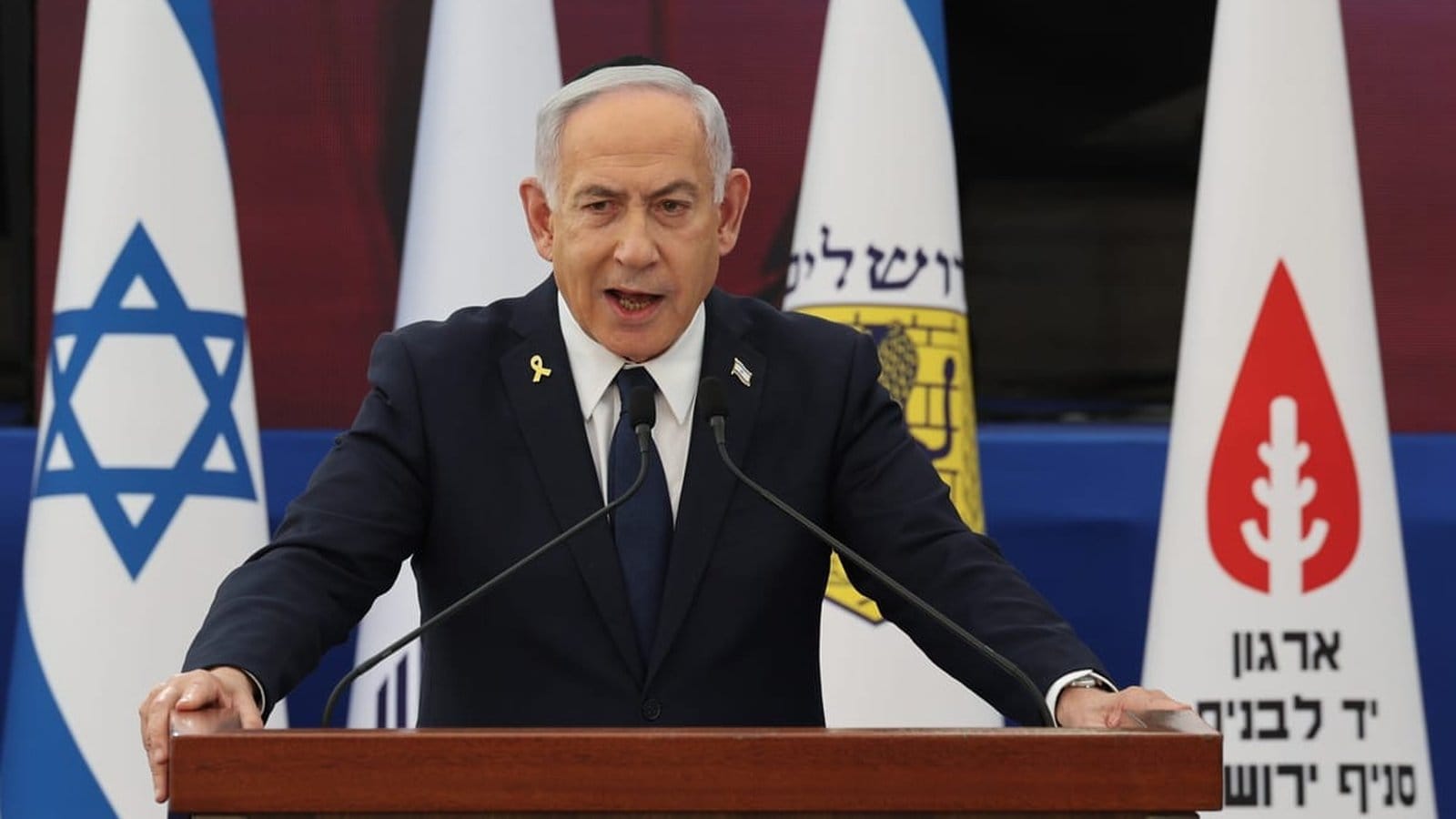
In a public statement following the attack, Netanyahu reiterated his hardline stance, warning countries that harbor Hamas leaders to either expel them or face similar consequences. “I say to Qatar and all nations who harbor terrorists, you either expel them or you bring them to justice. Because if you don’t, we will,” Netanyahu declared on social media. The Israeli government has justified the strike as a necessary measure to disrupt Hamas operations and pressure the group into accepting a ceasefire deal.
Qatar, however, has vehemently rejected Israel’s actions, with Prime Minister Mohammed bin Abdulrahman bin Jassim Al-Thani labeling the attack a betrayal and a violation of international law. In an exclusive interview with CNN, Al-Thani accused Netanyahu of sabotaging peace efforts and jeopardizing the lives of Israeli hostages still held in Gaza. “What Netanyahu has done yesterday killed any hope for those hostages,” he said, adding that Israel’s actions have undermined Qatar’s role as a mediator.
Global Condemnation and Diplomatic Fallout
The strike has been met with widespread international condemnation. U.S. President Donald Trump, who has been an outspoken supporter of Israel, expressed his displeasure, calling the attack “reckless” and “very unhappy about every aspect of it.” The European Union has also criticized Israel’s actions, with European Commission President Ursula von der Leyen announcing plans to suspend certain bilateral agreements with Israel in response to what she described as its attempts to “undermine the two-state solution.” The United Nations Security Council is set to discuss the situation in an emergency session, further highlighting the global significance of the incident.
Within Israel, the strike has sparked a heated debate. Opposition leader Yair Lapid criticized the operation, stating that it lacked strategic foresight and had complicated Israel’s diplomatic standing. Even within Netanyahu’s government, there appears to be discord, with some officials reportedly distancing themselves from the decision to target Doha. Israeli Minister for Strategic Affairs Ron Dermer and Mossad Director David Barnea have both denied prior knowledge of the strike, raising questions about the decision-making process.
The Impact on Gaza Ceasefire Talks
The attack has thrown ongoing Gaza ceasefire negotiations into disarray. Qatar, which had been facilitating talks between Israel and Hamas, has hinted at reassessing its role in the mediation process. A U.S.-backed ceasefire proposal was expected to receive a response from Hamas on the evening of the strike, but the attack disrupted those plans. “No one is talking about this at the moment,” a senior Hamas official told CNN, indicating that the prospects for a truce have dimmed significantly.
Israel’s President Isaac Herzog has sought to downplay the fallout, insisting that Israel remains committed to achieving a comprehensive deal to end the conflict. “Israel made clear yesterday that it is ready for a complete deal, the end of war, getting our hostages back, and moving forward,” Herzog said during an event in London. However, the timing of the strike has raised doubts about Israel’s sincerity in pursuing peace.
Regional and Humanitarian Consequences
The strike has also exacerbated tensions in the Gulf region. Qatar has called for a collective response from Arab and Islamic nations, with an emergency summit scheduled to take place in Doha. The United Arab Emirates, which normalized relations with Israel in 2020, has strongly condemned the attack, warning that it threatens regional stability and the prospects for peace.
Meanwhile, the humanitarian crisis in Gaza continues to worsen. The World Health Organization has reported alarming levels of malnutrition and starvation in the enclave, describing the situation as a “man-made famine.” The blockade, coupled with relentless airstrikes, has left over half a million people in catastrophic conditions. International aid agencies have criticized Israel for restricting the flow of humanitarian aid, while Israel has accused Hamas of diverting supplies for its own benefit.
The attack on Qatar has added a new layer of complexity to an already volatile situation. As global leaders grapple with the implications of Israel’s actions, the path to peace in the Middle East appears more uncertain than ever.
The strike on Qatar marks a turning point in the Israel-Hamas conflict, with far-reaching implications for regional stability, international diplomacy, and the humanitarian crisis in Gaza. As condemnation mounts and ceasefire talks falter, the prospects for peace remain perilously fragile.