
- Newark Liberty International Airport has faced severe delays following a radar and communication outage.
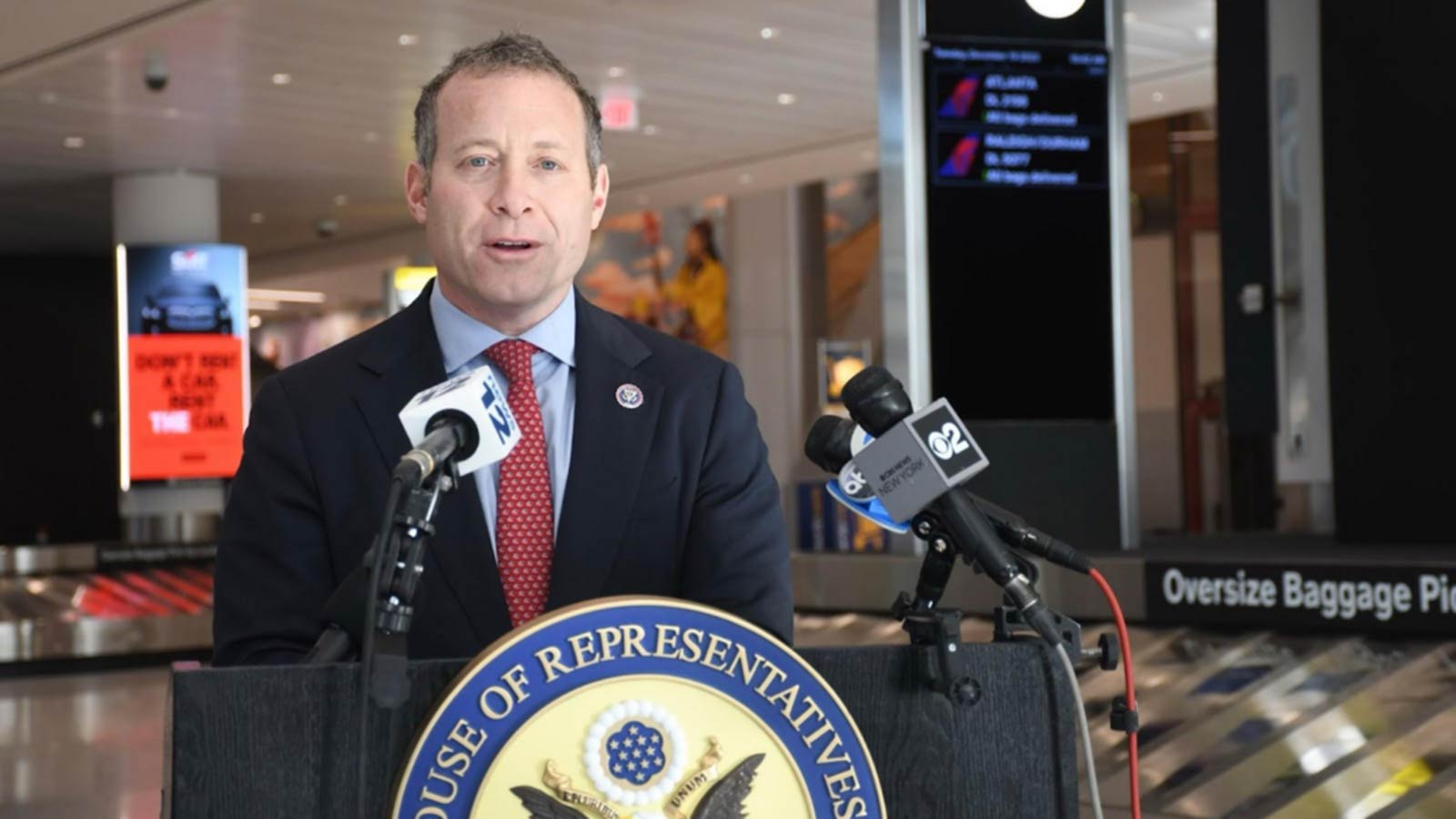
- Rep. Josh Gottheimer is calling for more air traffic controllers and emergency funding for infrastructure upgrades.
- The Federal Aviation Administration (FAA) is working to address staffing shortages and outdated technology.
- The outage highlights broader issues in the U.S. air traffic control system, including understaffing and aging equipment.
Newark Airport Delays Spark Call for Action
Newark Liberty International Airport, one of the busiest in the United States, has been plagued by significant delays and cancellations following a radar and communication outage that occurred last week. The incident, which lasted approximately 60 to 90 seconds, left air traffic controllers unable to communicate with pilots or monitor aircraft on radar screens. This has raised serious concerns about the safety and efficiency of the U.S. air traffic control system.
Details of the Outage
The outage occurred at the Philadelphia Terminal Radar Approach Control (TRACON) center, which manages air traffic for Newark Liberty. According to reports, the issue was caused by a critical data signal failure, possibly due to a fried copper wire. During the blackout, controllers were unable to see or communicate with aircraft, leaving pilots in a precarious situation. Audio recordings from the incident reveal pilots repeatedly calling for guidance, only to be met with silence.
Michael McCormick, a certified flight controller and professor at Embry-Riddle Aeronautical University, described the event as alarming. “If I were sitting without a radar for 90 seconds, that’s a long time,” he said. McCormick also noted that while outages are not uncommon, they are usually mitigated by backup systems, which appeared to be lacking in this case.
Broader Implications for Air Traffic Control
The outage has drawn attention to longstanding issues within the U.S. air traffic control system, including outdated technology and chronic understaffing. The Federal Aviation Administration (FAA) relocated air traffic control for Newark from New York TRACON to Philadelphia last year due to staffing shortages. However, this move has introduced new vulnerabilities, as the data transmission relies on an indirect feed through New York, increasing the risk of outages.
Controllers have expressed frustration with the current setup, citing a lack of faith in the equipment. “Most of us are fearful of this operation,” one controller said anonymously. The incident has also led several controllers to take medical leave under the Federal Employees Compensation Act, citing the event as traumatic.
Rep. Gottheimer’s Call for Immediate Action
In response to the crisis, Rep. Josh Gottheimer of New Jersey has called for immediate action to address the issues at Newark Liberty. He urged the federal government to deploy more air traffic controllers to alleviate staffing shortages and to provide emergency funding for infrastructure upgrades. “On a good day, air traffic controllers are under immense pressure to do a lot with the little they’re given,” Gottheimer said. “When the slightest error can be deadly, we must work together to help them save lives.”
Gottheimer’s demands align with broader calls from aviation experts and unions for a comprehensive overhaul of the air traffic control system. Jason Ambrosi, president of the Air Line Pilots Association, emphasized the need for modern technology and adequate staffing to ensure safety and efficiency.
FAA’s Response and Future Plans
The FAA has acknowledged the challenges and is taking steps to address them. The agency is working to bring in experienced air traffic control supervisors from across the country to provide emergency relief at the Philadelphia TRACON center. Additionally, the FAA is offering financial incentives to retain controllers nearing retirement.
Transportation Secretary Sean Duffy has announced plans to modernize the air traffic control system, including upgrading telecommunications equipment and automation systems. “We must get the best safety technology in the hands of controllers as soon as possible,” Duffy stated. However, these measures are unlikely to provide an immediate fix to the ongoing issues.
Impact on Travelers
The delays and cancellations at Newark Liberty have had a significant impact on travelers. According to aviation analytics company Cirium, the airport has seen an average of 39 flight cancellations per day since the outage, compared to just four per day in April. On-time performance has also dropped, with only 63% of flights departing on schedule, well below industry norms.
United Airlines has issued a travel waiver allowing passengers to reschedule flights without additional fees. Meanwhile, the Port Authority of New York and New Jersey continues to grapple with the challenges posed by runway construction and the complexity of managing air traffic in the New York metropolitan area.
Conclusion
The recent events at Newark Liberty International Airport underscore the urgent need for systemic improvements in the U.S. air traffic control system. While the FAA and lawmakers like Rep. Gottheimer are taking steps to address the issues, the path to a safer and more efficient system will require sustained investment and collaboration among all stakeholders.
Sources: NJ Advance Media, ABC News, Cirium