
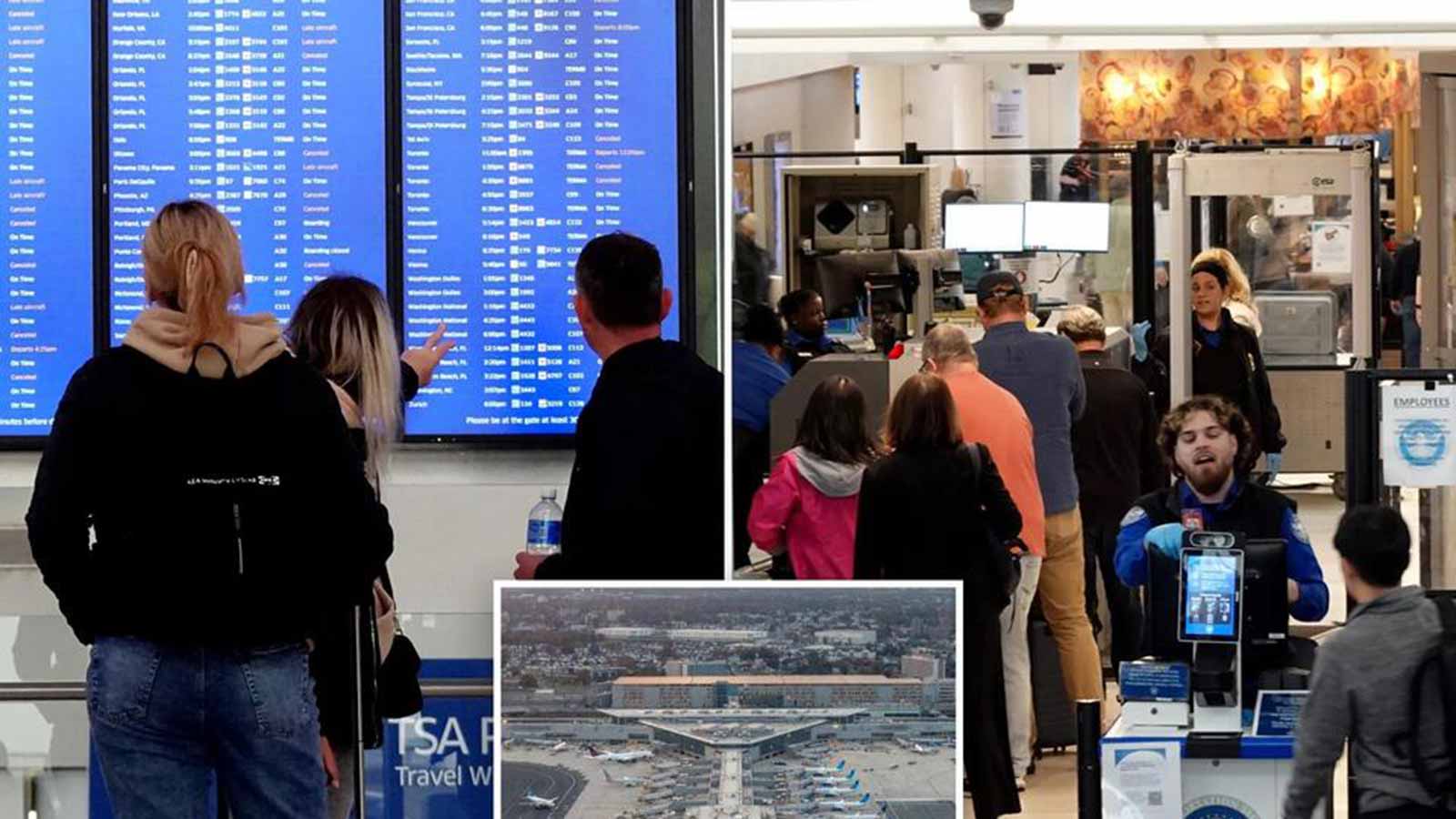
Newark Airport Faces Unprecedented Crisis
Newark Liberty International Airport, one of the busiest hubs in the United States, experienced a significant operational meltdown following a communication and radar outage on April 28. This incident, which lasted for approximately 90 seconds, triggered a cascade of delays, cancellations, and staffing challenges that persisted for over a week.
The Incident: Communication Breakdown
The crisis began when air traffic controllers at the Philadelphia Terminal Radar Approach Control, responsible for guiding planes to Newark, lost both primary and backup communication systems. During the outage, controllers were unable to see, hear, or communicate with aircraft under their supervision. According to audio obtained by LiveATC.net, pilots repeatedly attempted to contact controllers, leading to tense moments in the air.
For instance, United Airlines Flight 1951 from New Orleans to Newark made five attempts to establish contact before receiving a response. Controllers instructed some pilots to rely on airport towers for clearance, as radar services were unavailable. This disruption affected approximately 15–20 flights, according to flight tracking data from Flightradar24.
Immediate Impact on Flights
The outage caused significant disruptions to Newark’s operations. On April 28 alone, more than 150 flights were canceled, and over 350 were delayed, according to FlightAware. Passengers faced average delays of nearly five hours, with some flights experiencing even longer wait times. The Federal Aviation Administration (FAA) implemented measures to slow air traffic into Newark, further compounding delays.
Staffing Shortages and Trauma
The incident highlighted longstanding staffing shortages within the air traffic control system. The National Air Traffic Controllers Association (NATCA) reported that the Philadelphia facility overseeing Newark’s airspace has been chronically understaffed for years. The stress of the outage led several controllers to take trauma leave under the Federal Employees Compensation Act. At least five FAA employees were granted 45 days of leave to recover from the incident.
Contrary to claims that controllers “walked off the job,” NATCA clarified that employees were traumatized by the event and required time to recover. The FAA acknowledged the difficulty of quickly replacing these highly specialized professionals, noting that rigorous training and age restrictions limit the pool of eligible candidates.
Outdated Technology Exacerbates Issues
The crisis also underscored the outdated state of the U.S. air traffic control system. Transportation Secretary Sean Duffy described the system as “incredibly old,” citing the use of floppy disks and copper wires as evidence of its obsolescence. The FAA has faced criticism for its reliance on antiquated technology, which has contributed to multiple outages and delays in recent years.
Duffy announced plans to modernize the air traffic control system, promising a “state-of-the-art” infrastructure that could take three to four years to implement. He emphasized the importance of creating a resilient and redundant system to prevent future disruptions.
Industry and Passenger Reactions
United Airlines, a major carrier at Newark, responded to the crisis by canceling 35 daily flights to reduce strain on the system. CEO Scott Kirby criticized the FAA for its chronic understaffing and outdated technology, stating that Newark cannot handle its current flight schedule under these conditions.
Passengers expressed frustration and concern over the delays. Geraldine Wallace, whose flight was delayed by nearly three hours, voiced anxiety about the staffing shortages. Her partner, Mark Wallace, highlighted the risks posed by outdated equipment, calling for urgent upgrades to the system.
Future Plans and Challenges
In response to the crisis, the Department of Transportation is set to unveil a comprehensive plan to overhaul the air traffic control system. This initiative aims to address both staffing shortages and technological deficiencies. However, experts warn that implementing these changes will take time and require significant investment.
New Jersey Governor Phil Murphy urged federal authorities to prioritize the New York metropolitan area in their modernization efforts. With major events like the World Cup Finals on the horizon, Murphy emphasized the need to avoid further disruptions in the nation’s busiest air corridor.
Source: CNN, Bloomberg, The New York Times, FlightAware, LiveATC.net