
Quick Read
- Finance Minister Nicola Willis warned that global oil price drops will not immediately lower pump prices in New Zealand.
- The government rejected calls for a fuel excise tax cut, citing a $500 million fiscal cost that would undermine current economic stability.
- Officials remain cautious about the ceasefire’s durability, noting that shipping routes through the Strait of Hormuz will take time to recover.
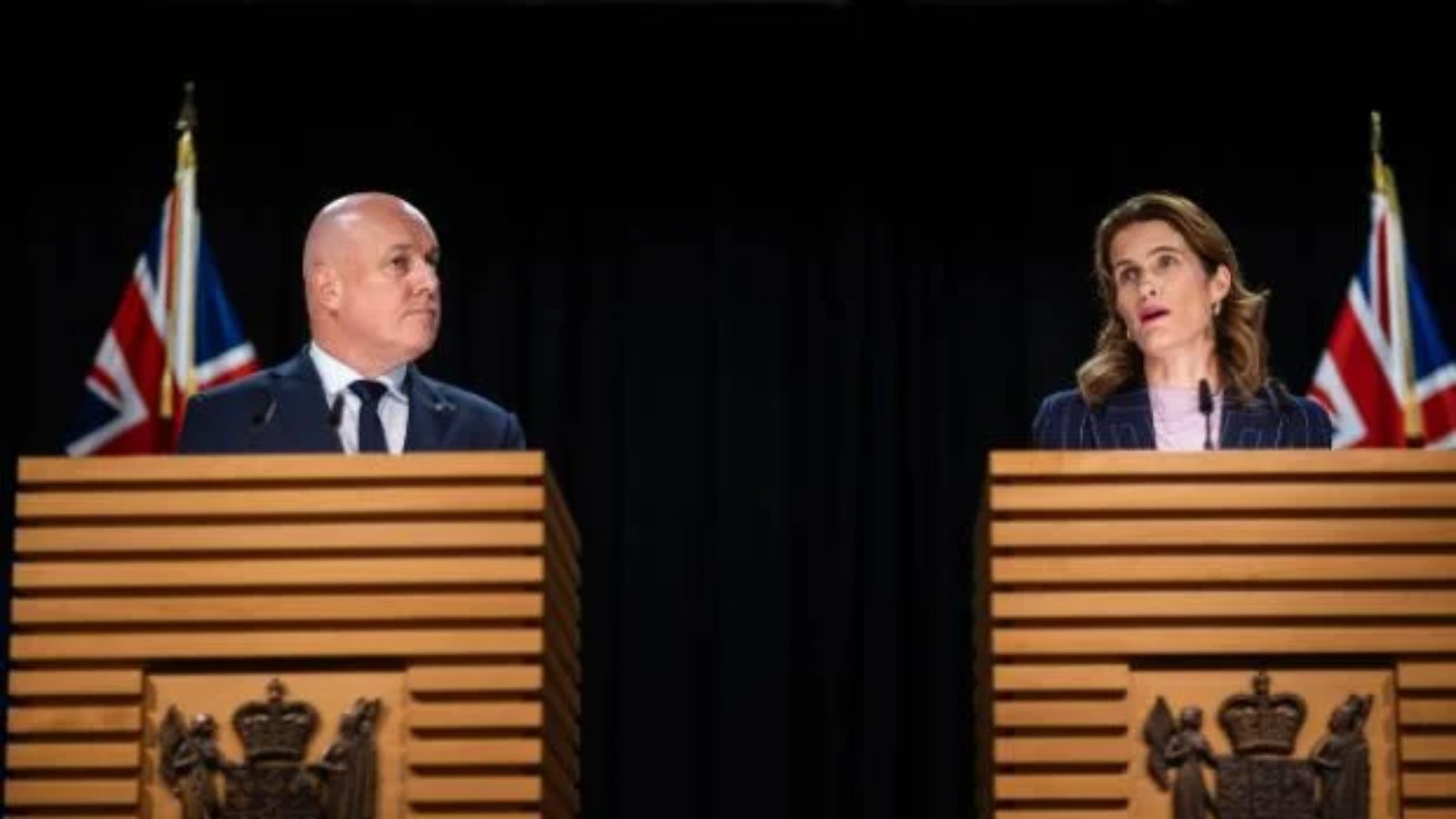
WELLINGTON (Azat TV) – Finance Minister Nicola Willis has moved to temper public expectations regarding fuel costs, warning that the newly announced two-week ceasefire between the United States, Israel, and Iran will not immediately translate into lower prices for New Zealand consumers. While global markets have reacted with optimism, Willis emphasized that the structural disruptions caused by the conflict in the Strait of Hormuz will take time to resolve.
Market Volatility and the Reality of Fuel Supply
Speaking in the wake of the ceasefire announcement on Wednesday, Willis noted that global crude oil prices saw an immediate decline, with West Texas Intermediate falling approximately 16 percent and Brent crude dropping to around $95 a barrel. Despite this positive market shift, she cautioned that the downstream impact on refined fuels remains uncertain. According to Reuters and other reports, the prolonged closure of shipping lanes has left refineries struggling with crude supply, a bottleneck that typically persists even after maritime traffic begins to normalize.
“New Zealand is also a long way from our fuel suppliers, but prices here typically respond quickly to oil market moves—usually within a week or so—but this may take longer in this instance given the heightened volatility in markets and residual uncertainty,” Willis stated. She highlighted that the current market environment is not yet stable enough to guarantee a swift return to pre-conflict price levels.
Fiscal Constraints on Domestic Relief
The Finance Minister’s comments come as the government faces persistent pressure to provide relief for diesel users, who have seen prices climb significantly faster than petrol. Willis has firmly rejected calls for a temporary suspension of fuel excise taxes or road user charges, labeling such measures as “extremely expensive.” She reiterated that a three-month pause on these levies would cost the government roughly $500 million, a figure she maintains is unaffordable given the current economic climate.
Prime Minister Christopher Luxon supported this stance, noting that the government is focusing its resources on inflation management and protecting jobs rather than broad-based fuel subsidies. The administration is prioritizing a targeted $50 a week payment for low and middle-income working families, which began this week, as a more sustainable alternative to market-wide tax cuts.
Geopolitical Stakes and Future Uncertainty
The ceasefire, which is intended to facilitate the reopening of the Strait of Hormuz, remains fragile. While the government has welcomed the development as the most encouraging sign since the conflict began, officials are preparing for the possibility that the situation could deteriorate again. The volume of shipping through the Strait, which had plummeted to approximately four vessels per day from a pre-conflict baseline of 125, remains the primary metric for the government’s economic outlook.
While the immediate market reaction to the ceasefire provides a necessary reprieve for global equities and crude benchmarks, the Finance Minister’s cautious rhetoric underscores a critical reality: domestic fuel prices are currently tethered to deeper, long-term supply chain disruptions that a two-week diplomatic pause is unlikely to fully rectify.