
Quick Read
- Texas Rep. Nicole Collier protests GOP-mandated police escorts during redistricting debate.
- Collier’s sit-in gains national attention as other Democrats join her at the Capitol.
- Critics call the surveillance tactics extreme and reminiscent of Jim Crow-era laws.
- The redistricting fight centers on GOP efforts to secure more congressional seats.
- Collier files a lawsuit, challenging the legality of the police escort requirement.
In the heart of Texas politics, State Representative Nicole Collier has emerged as a symbol of defiance against what Democrats are calling an overreach of authority. Over the past week, Collier has been at the center of a heated battle over redistricting, a contentious issue that has sparked protests and a nationwide debate on democracy.
Collier’s Stand: A Protest Against Surveillance
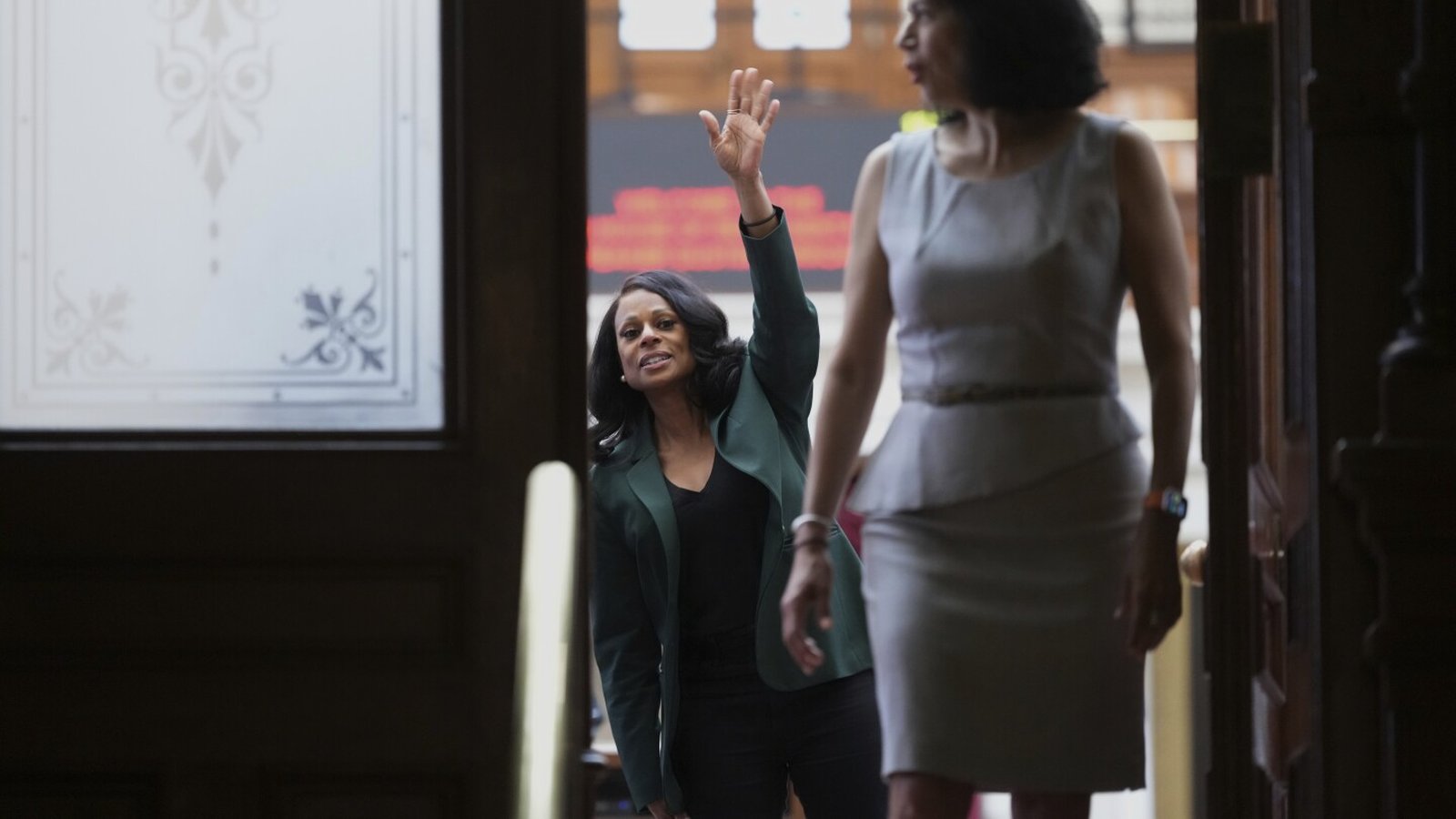
On Monday, August 18, 2025, Nicole Collier, a Democratic representative from Fort Worth, refused to comply with Republican-imposed rules requiring Democratic lawmakers to have police escorts to prevent them from leaving the Texas Capitol. The measure was introduced by Republican House Speaker Dustin Burrows following a two-week absence by Democrats aimed at delaying a vote on redistricting maps. Instead of signing the so-called “permission slips,” Collier chose to remain on the House floor, livestreaming her protest and drawing attention to what she described as a violation of her rights.
“This is an attack on my dignity,” Collier said in a video statement shared on her social media. “We have rights, too, and I will not allow this government overreach to go unchallenged.” Her decision to stay on the floor overnight quickly gained momentum as other Democratic lawmakers joined her, ripping up their signed permission slips in a show of solidarity. According to AP News, Collier’s actions were described as a “slumber party for democracy,” a term coined by Dallas-area Representative Cassandra Garcia Hernandez.
Heightened Surveillance Sparks Outrage
The Republican leadership’s decision to enforce police monitoring on Democratic lawmakers has been met with widespread criticism. The Texas Department of Public Safety (DPS) assigned officers to shadow Democrats, tracking their movements both inside and outside the Capitol. Houston Representative Linda Garcia recounted her experience of being followed by an officer even during mundane activities like grocery shopping, describing it as an unsettling invasion of privacy. “It felt like I was in a movie,” she told AP News. Similar sentiments were echoed by other lawmakers, including Austin Representative Sheryl Cole, who reported being threatened with arrest during her morning walk when her assigned officer lost sight of her.
Critics, including the Texas NAACP, have called the surveillance measures “extreme and unnecessary.” In a statement released Monday evening, the organization likened the tactics to Texas’ Jim Crow past, describing the mandated police escorts as reminiscent of an era of racial and political oppression. Representative Gene Wu, who joined Collier in her overnight protest, condemned the measures as a step toward authoritarianism. “This is not a public safety issue; this is a civil dispute between two political parties,” Wu told Marshall News Messenger.
The Broader Battle: Redistricting and Power
At the heart of the controversy lies the redistricting process, a politically charged endeavor that could reshape the balance of power in Congress. The Republican-controlled Texas Legislature is pushing for a new congressional map that would add five GOP seats, bolstering their slim majority ahead of the 2026 midterms. Democrats, however, argue that the maps are gerrymandered to dilute minority voting power and plan to challenge them in court.
The stakes are high, with both parties viewing Texas as a critical battleground. As Marshall News Messenger reported, the Democrats’ initial two-week absence was a strategic move to delay the vote, forcing Republicans to issue civil arrest warrants to compel their return. The tension reached its peak when Speaker Burrows ordered the Capitol doors locked, preventing lawmakers from leaving without his written consent. “We’re not being tracked because of flood relief or property tax reform,” said Representative Mihaela Plesa. “This is about power and control.”
A Movement Gains Momentum
Collier’s protest has struck a chord not only within Texas but across the nation. Her livestreams have garnered millions of views, and supporters have rallied outside the Capitol, chanting “Free Nicole!” and delivering care packages to the House floor. Fellow lawmakers have praised her courage, with Houston Representative Senfronia Thompson, the longest-serving African American woman in state history, joining her on Tuesday. “I’m proud to stand tall with the people of Texas,” Thompson said during a livestream. “We’re fighting for the kitchen-table issues that matter to all of us.”
Despite the challenges, Democrats have vowed to continue their fight. Collier has even filed a lawsuit in Travis County court, arguing that the DPS escort requirement is illegal. “We don’t leave people behind,” Wu said, emphasizing the unity among Democratic lawmakers. “This is about standing up to bullies and showing that democracy still matters.”
Republican leaders, however, have downplayed the protests. Speaker Burrows stated that Collier’s actions are within her rights under House rules but reiterated his focus on legislative priorities like property tax reform and flood relief. “This is about doing the work Texans care about,” Burrows said in a statement.
As the redistricting battle continues, Nicole Collier’s stand has become a rallying cry for those who believe in the principles of democracy and fairness. The outcome of this fight will undoubtedly have far-reaching implications, not just for Texas but for the nation as a whole.