
Quick Read
- Nine media group issued a formal apology on January 11, 2026, for a Cathy Wilcox cartoon published on January 7, 2026.
- The cartoon caused significant distress, particularly among the Jewish community, following the Bondi Junction attack.
- Nine defended the cartoon’s intent to scrutinize the politicization of the tragedy, but acknowledged the harm caused.
- The apology comes amidst a broader national debate on free speech, editorial independence, and antisemitism.
- The Australian Press Council is currently investigating complaints regarding the cartoon for potential breaches of industry standards.
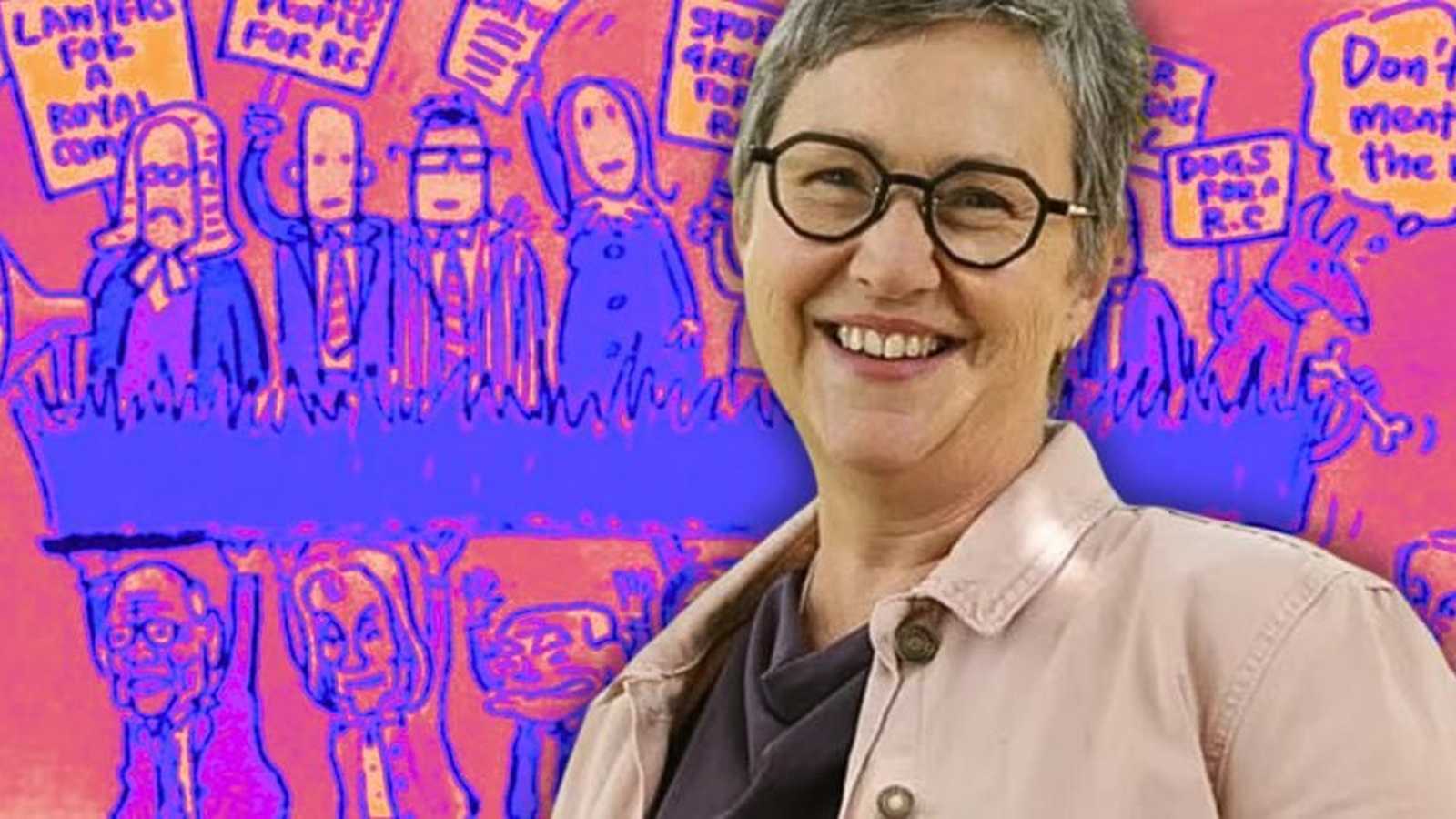
In a significant development echoing through Australia’s media landscape, the Nine publishing giant has issued a formal apology for a cartoon by Cathy Wilcox, acknowledging the profound distress it caused, particularly among members of the Jewish community. The cartoon, published on January 7, 2026, sparked widespread backlash in the wake of the horrific Bondi Junction attack, igniting a fervent national debate over editorial independence, the boundaries of free expression, and the sensitive handling of public tragedies.
Nine’s statement, released on January 11, 2026, underscored the company’s regret for the pain inflicted, even as it sought to explain the cartoon’s original intent: to scrutinize what it perceived as the rapid politicization of the Bondi tragedy. “We have heard their distress, and for this pain, we sincerely apologise,” Nine stated, emphasizing its commitment to addressing the community’s concerns while navigating the complex terrain of public discourse.
The Shadow of Bondi: A Nation Mourns, A Debate Ignites
The apology doesn’t exist in a vacuum; it’s intrinsically linked to the harrowing events of the Bondi Junction attack. In the immediate aftermath of what Nine described as a “murderous attack on the Jewish community,” the media conglomerate took a resolute stance. Across its mastheads, Nine spearheaded calls for a Royal Commission, urging Prime Minister Anthony Albanese to initiate a federal inquiry into the events leading up to the tragedy, with the burgeoning issue of antisemitism placed “front and centre.”
Nine argued vehemently that only a Royal Commission possessed the necessary scope to dissect the accelerating rise of antisemitism in Australia, a phenomenon it linked to the global ripple effects of the Hamas attacks of October 7, 2023, and Israel’s subsequent military actions in Gaza. The company went further, publishing thousands of names of prominent Australians, from business leaders to sporting icons, who joined the chorus demanding a federal inquiry. It also actively supported a fundraising campaign by the Bondi Response group, which aimed to secure media advertising to bolster support for the investigation. “They did it because it was the right thing to do – and we supported them for the same reason,” Nine affirmed, as reported by Mediaweek.
A Cartoon’s Message: Intent Versus Impact
While Nine robustly championed the need for a Royal Commission, it conceded that its position was not universally embraced. Dissenting voices, the company noted, were also given platform, reflecting the diverse perspectives within the national conversation. However, it was the Cathy Wilcox cartoon that truly became a flashpoint, drawing intense criticism and accusations of insensitivity.
For decades, cartoonists at Nine’s mastheads have prided themselves on holding “a mirror to reflect hypocrisy in public life,” viewing their work as opinion pieces designed to offer “a first impression of major news events.” Wilcox’s intention, Nine clarified, was to interrogate the immediate politicization of the attack, particularly through her depiction of Benjamin Netanyahu, which was based on his public condemnation of Prime Minister Albanese following the incident. While some readers found the cartoon “thought-provoking,” Nine unequivocally acknowledged that “many others in the community, particularly Jews, were deeply hurt and offended by it,” as reiterated by The Sydney Morning Herald.
Free Speech Under Scrutiny: A Broader Cultural Conversation
The apology arrives amidst a pulsating broader media and cultural debate regarding the intricate balance between free speech and its inherent limits. Nine itself acknowledged that this debate is poised to intensify as Royal Commissioner Virginia Bell commences her inquiry, delving into the nuances of public discourse in a post-Bondi world. The company highlighted its unwavering support for free speech, yet critically conceded the harm it is capable of causing. “There is no place in this country for hate speech. There must, however, be room for people to express their views on politics and world events,” Nine articulated, attempting to thread the needle between these often-conflicting principles.
This discussion also brings to mind recent events such as the withdrawal of multiple writers from Adelaide Writers’ Week. That incident followed the removal of Palestinian writer Randa Abdel-Fattah from the festival program, which Nine framed as an act of support for free expression, not an endorsement of Abdel-Fattah’s specific views. Such episodes underscore the deep industry tension surrounding censorship, platforming, and the responsibilities that come with public expression.
Internal Tensions and External Oversight
The apology from Nine, however, has not been without its own internal complexities and external scrutiny. The Australian reported that the apology appeared to sit somewhat uncomfortably with the previously firm stance taken by Nine’s own editors, who had publicly backed a royal commission and openly criticized Prime Minister Albanese’s argument that such an inquiry would be too time-consuming. These claims by the Prime Minister were described by Nine’s editors as “out of step with public expectations” and “incomprehensible.”
Adding another layer to the narrative, Nine chairman Peter Tonagh had also publicly endorsed the call for an inquiry, adding his name to an open letter published across major mastheads and later writing online, “I signed – because accountability and safety matter.” This suggests a potential divergence or at least a nuanced internal discussion within Nine regarding the practical application of its editorial principles versus the impact on community sentiment.
In the wake of the controversy, the Australian Press Council has confirmed it is actively investigating the complaints lodged against the cartoon, examining whether the publications breached industry standards of practice. This ongoing process represents a critical juncture for media accountability and the definition of ethical journalism in contemporary Australia.
The Cathy Wilcox cartoon controversy serves as a stark reminder that in an era of heightened sensitivities and rapid information dissemination, the line between provocative commentary and unintended offense is perilously thin. While defending free expression is a cornerstone of democratic media, the incident underscores a vital lesson: the responsibility to anticipate and mitigate harm, particularly when dealing with communities grappling with recent trauma, is paramount. The ensuing debate is not merely about a single cartoon, but about the evolving social contract between media organizations and the diverse publics they serve, demanding a constant recalibration of editorial judgment in the pursuit of both truth and empathy.