
Quick Read
- Nitish Kumar resigned from the Bihar Legislative Council on March 30, 2026, to fulfill constitutional requirements following his election to the Rajya Sabha.
- The transition has sparked urgent closed-door meetings among JD(U) leadership regarding a potential successor to the Chief Minister’s office.
- Kumar’s move to national politics is expected to increase BJP influence in Bihar, potentially destabilizing the long-standing power dynamics of the state government.
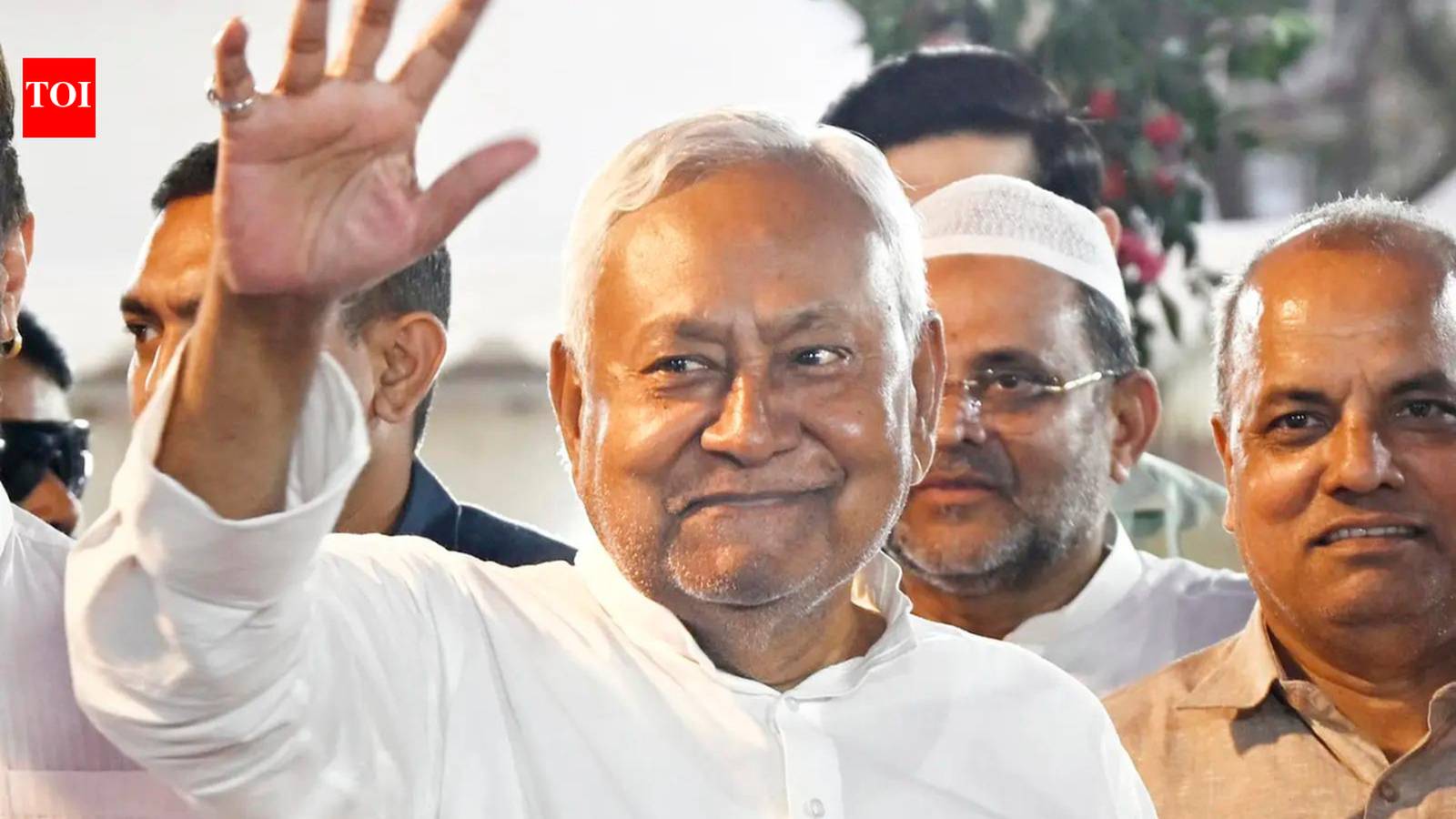
PATNA (Azat TV) – Bihar Chief Minister Nitish Kumar resigned from his membership in the state’s Legislative Council on Monday, March 30, 2026. The move, confirmed by council chairman Awadhesh Narayan Singh, marks the official conclusion of his two-decade tenure as a state legislator and signals his imminent transition to national parliamentary duties following his recent election to the Rajya Sabha.
Transition to National Parliamentary Duties
The resignation follows Kumar’s successful bid for a seat in the Rajya Sabha, the upper house of India’s Parliament, earlier this month. Under constitutional requirements, an elected member of Parliament must vacate their position in a state legislature within 14 days. JD-U MLC Sanjay Gandhi formally submitted the resignation letter on behalf of the veteran leader, who is expected to take his oath as a Rajya Sabha member on April 10.
Internal Party Discussions and Leadership Stakes
The departure has intensified internal deliberations within the Janata Dal (United) party. On the eve of the resignation, senior party figures held a series of closed-door meetings at Kumar’s official residence in Patna. While some party members have reportedly urged the 75-year-old leader to maintain his role in the state, the move to the Rajya Sabha has fueled public speculation regarding a potential successor to the Chief Minister’s office. Despite recent assertions by state ministers that Kumar could technically retain his executive role for up to six months, the political climate remains unsettled.
Shifting Political Dynamics in Bihar
Kumar’s exit from the state legislature is viewed by political analysts as a consequential shift for the National Democratic Alliance (NDA) in Bihar. Following his record-breaking tenth term as Chief Minister, his transition to national politics is expected to grant the Bharatiya Janata Party (BJP) greater influence over state-level governance. The move also effectively closes a chapter on his long-standing, often turbulent political rivalry with Lalu Prasad Yadav, whose party, the Rashtriya Janata Dal, continues to serve as the primary opposition.
The resignation of Nitish Kumar represents more than a procedural requirement; it serves as a litmus test for the long-term stability of the JD(U)-BJP coalition. As the party grapples with the absence of its most defining figure in the state assembly, the coming weeks will likely reveal whether the administration can maintain its current trajectory or if the transition will force a more radical realignment of power within Bihar.