
Quick Read
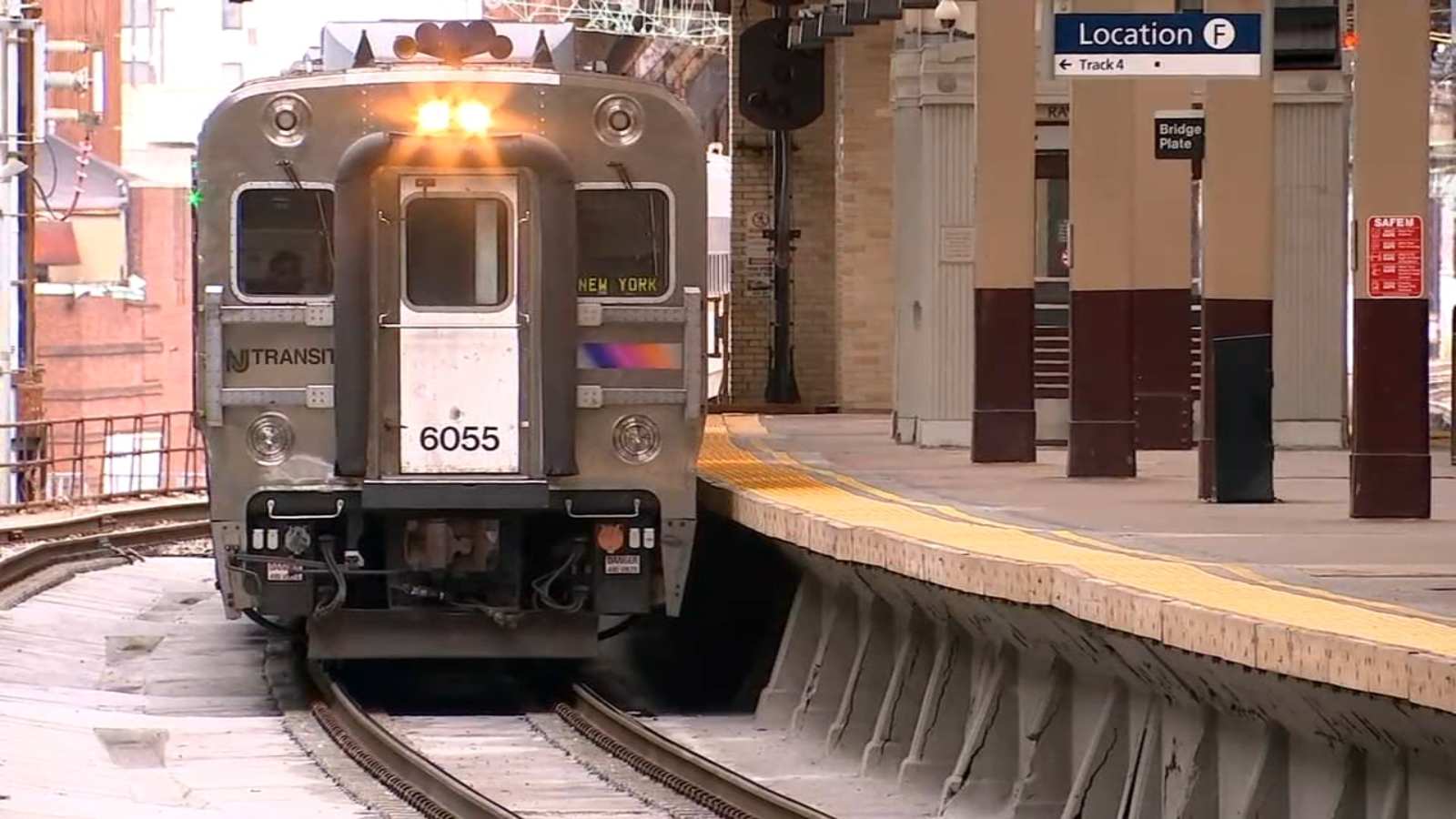
- NJ Transit has suspended all bus, light rail, and Access Link services systemwide starting Sunday, January 25, 2026, at 4 a.m.
- NJ Transit rail service will halt operations at 2 p.m. on Sunday, with passengers advised to complete travel before then.
- New Jersey Governor Mikie Sherrill declared a state of emergency and issued commercial vehicle restrictions on major highways.
- The winter storm is forecast to bring 8-18+ inches of snow to the Tri-State Area, along with dangerous frigid temperatures and potential icing.
- New York City’s MTA subways and buses are expected to continue operating, with some modifications and advisories for riders.
TRENTON (Azat TV) – New Jersey Transit (NJ Transit) has implemented a systemwide suspension of its bus, light rail, and Access Link services, with all rail operations set to halt by 2 p.m. Sunday, January 25, 2026, as a severe winter storm bears down on the Tri-State Area. The decision, announced by state officials, comes amidst widespread hazardous travel advisories, states of emergency declared in New York, New Jersey, and Connecticut, and forecasts of heavy snow and near-blizzard conditions across the region.
NJ Transit Operations Grind to a Halt
NJ Transit’s proactive measures began early Sunday morning to ensure public safety as the storm intensified. Bus, light rail, and Access Link services were suspended systemwide starting at 4 a.m. Rail service, initially operating on a regular weekend schedule, will cease at 2 p.m. Passengers planning to use trains were advised to complete their journeys and reach their final destinations by or before this deadline. NJ Transit stated that services would remain suspended through the end of Sunday and would only gradually restart once conditions safely allow. This comprehensive shutdown highlights the severity of the weather event and the agency’s commitment to preventing accidents.
New Jersey Governor Mikie Sherrill underscored the dangers, announcing commercial vehicle restrictions for all tractor-trailers, empty straight CDL-weighted trucks, passenger vehicles pulling trailers, recreational vehicles, and motorcycles on major interstates and Route 440, effective 12:01 a.m. Sunday. Essential personnel and vehicles carrying critical supplies, such as food, fuel, and medical provisions, are exempt from these restrictions. The Governor’s declaration of a state of emergency provides state agencies with enhanced capabilities to respond to the storm’s impacts, including coordinating resources and personnel.
Tri-State Area Braces for Impact
The winter storm, which arrived in the New York City area early Sunday morning, is expected to bring significant snowfall, with forecasts predicting 8 inches or more for New York City – a rare occurrence since February 2021 – and potentially over 18 inches in the far northern suburbs. Temperatures are expected to remain dangerously frigid, posing risks of hypothermia and frostbite from prolonged exposure. Icing is also a significant concern, with even a quarter-inch of ice accumulation capable of causing slippery roads, weighted tree limbs, and isolated power outages. These conditions prompted New York City Mayor Zohran Mamdani to warn New Yorkers to expect ‘whiteout and near-blizzard’ conditions at the storm’s peak around midday Sunday, urging residents to avoid non-essential travel.
While NJ Transit implemented widespread suspensions, the Metropolitan Transportation Authority (MTA) in New York City confirmed that its subways and buses would continue to operate during the storm. MTA Chair and CEO Janno Lieber stated that the agency had ‘detailed plans in place’ to protect its network, riders, and employees, including pre-positioning equipment and personnel. The MTA is deploying snow-fighting trains and de-icing systems for its 220 miles of outdoor subway tracks. However, the MTA also acknowledged potential service impacts, advising riders to expect longer waits for local buses, with articulated buses temporarily removed from service for safety. Long Island Rail Road (LIRR) and Metro-North Railroad are operating on modified Sunday schedules, with some planned service changes canceled due to the weather.
Airlines and Infrastructure Under Strain
The severe weather has also severely impacted air travel across the Tri-State Area. The Federal Aviation Administration (FAA) indicated that full ground stops were possible at New York’s LaGuardia Airport (LGA) and John F. Kennedy International Airport (JFK) on Sunday. FlightAware data showed more than 800 cancellations at LGA, over 900 at JFK, and nearly 900 at New Jersey’s Newark Liberty International Airport, underscoring the widespread disruption to transportation networks. New York City’s Acting Sanitation Commissioner Javier Lojan confirmed that the Department of Sanitation (DSNY) had initiated full spreading operations and was prepared to deploy its fleet of over 2,200 plows once snow accumulation reached plowable depths, expected within the hour of early Sunday reporting.
The divergent approaches by NJ Transit and the MTA highlight the complex operational challenges faced by regional transportation authorities during severe weather events, balancing the critical need for public safety with the imperative to maintain essential services for a densely populated, interconnected region.