
Quick Read
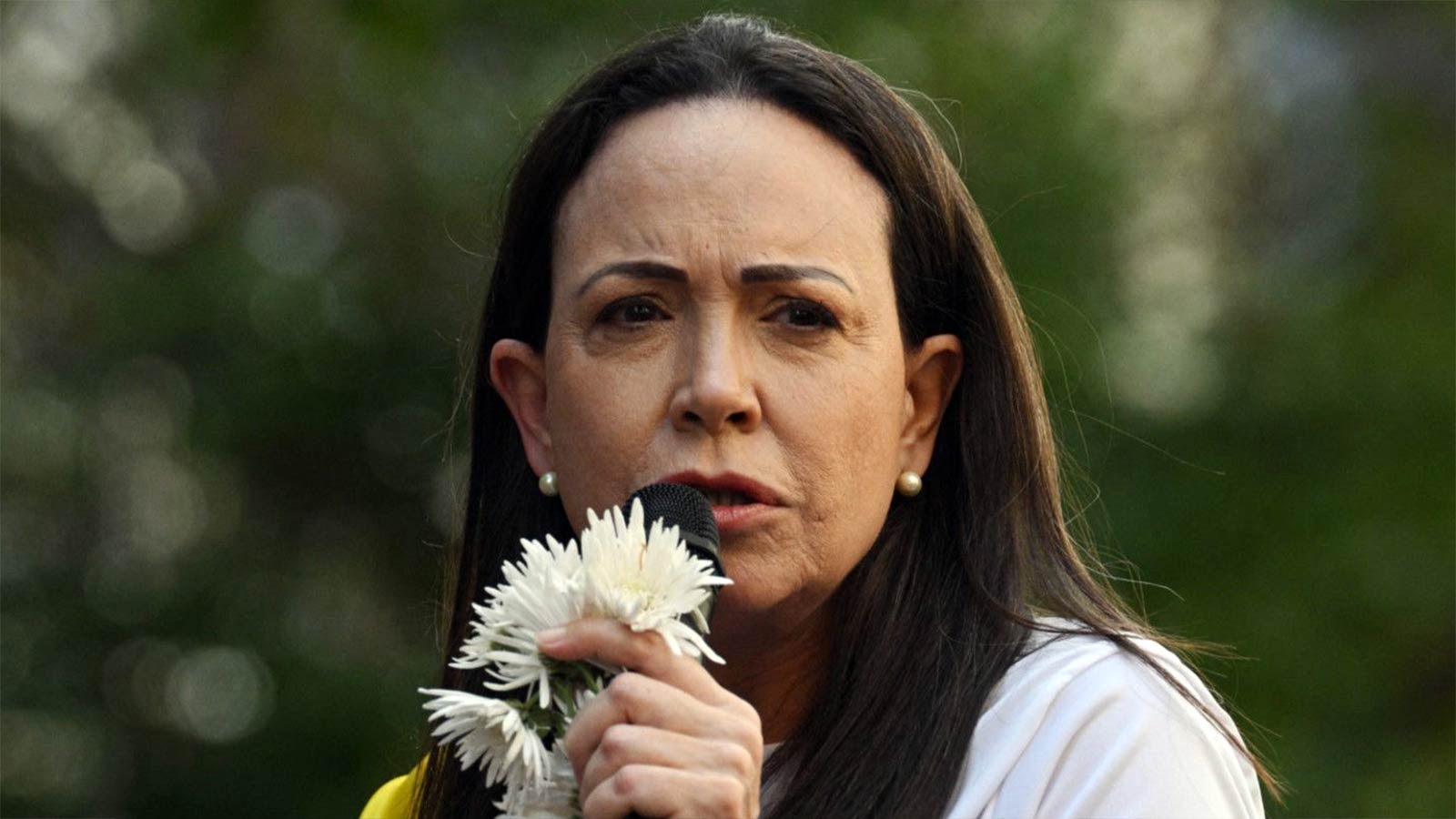
- Maria Corina Machado, Venezuelan opposition leader, won the Nobel Peace Prize 2025 for promoting democratic rights.
- Donald Trump, despite international endorsements and claims of brokering ceasefires, was not selected.
- The Nobel Peace Prize is chosen by a five-member Norwegian committee; nominee names are kept secret for 50 years.
- A record 338 candidates were nominated in 2025, reflecting global interest in peace initiatives.
Nobel Peace Prize 2025: The Announcement Day Unfolds
On October 10, 2025, the world watched Oslo with anticipation. The Nobel Peace Prize, often described as the highest recognition for peacemakers, was about to be announced. This year, the buzz was louder than usual. With 338 nominations—244 individuals and 94 organizations—the Norwegian Nobel Committee faced the daunting task of selecting a laureate whose efforts truly embody the spirit of peace.
In the lead-up, global headlines speculated about possible winners. US President Donald Trump’s self-promotion for the prize, citing his role in recent ceasefire negotiations, stirred debate. Supporters from Moscow to Jerusalem rallied behind his candidacy. Israel’s Prime Minister Benjamin Netanyahu publicly endorsed Trump, referencing his involvement in brokering a temporary ceasefire in Gaza. Kremlin officials echoed similar sentiments, pointing to Trump’s mediation between India and Pakistan.
Maria Corina Machado: A Beacon of Democratic Courage
Yet, when Jorgen Watne Frydnes, chair of the Norwegian Nobel Committee, stepped to the podium, the world learned that the 2025 Nobel Peace Prize was awarded to Maria Corina Machado. The Venezuelan opposition leader was honored for her unwavering commitment to advancing democratic rights and steering Venezuela towards a peaceful transition away from authoritarian rule.
According to the Committee, Machado “keeps the flame of democracy burning amidst a growing darkness.” Her activism—often at great personal risk—has transformed her into a symbol of civilian courage in Latin America. For years, she has led peaceful protests, advocated for free elections, and endured political persecution. Her resilience has inspired millions in Venezuela and beyond, underscoring the power of nonviolent resistance in the face of repression.
The recognition comes at a pivotal moment. Venezuela’s political landscape remains fraught with tension. Machado’s efforts to unite opposition groups, push for electoral reforms, and amplify the voices of ordinary citizens have reshaped public discourse. The Nobel Committee’s decision sends a message: the pursuit of democracy and human rights, even in the most challenging circumstances, deserves global acknowledgment.
The Selection Process: Secrecy, Speculation, and Significance
Each year, the Nobel Peace Prize selection is shrouded in secrecy. Nominee names are closely guarded; only after 50 years does the official list become public. This discretion fuels speculation, with media outlets and political figures often floating names ahead of the announcement. In 2025, Trump’s candidacy dominated headlines, as did speculation about organizations working on nuclear disarmament and humanitarian relief.
The Norwegian Nobel Committee, comprising five members with backgrounds in politics, education, and human rights, deliberates for months. For 2025, the committee included Jorgen Watne Frydnes, Asle Toje, Anne Enger, Kristin Clemet, and Gry Larsen. Their task: to select a laureate whose work “promotes peace, resolves conflicts, and advances human rights.”
It’s worth noting that the committee received a record number of nominations this year, reflecting the urgency and complexity of contemporary peace efforts. The process culminates in the October announcement, with the formal award ceremony held in Oslo on December 10, in the presence of Norway’s King.
Controversies and Global Reactions
The run-up to the 2025 Nobel Peace Prize was marked by intense debate. Trump’s vocal campaign, coupled with endorsements from foreign leaders, sparked discussions about the nature of peacemaking and the boundaries between diplomacy and self-promotion. Hours before the announcement, Trump criticized $1 Barack Obama’s 2009 Nobel win, claiming it was undeserved. He touted his own record, asserting he had “solved” seven wars and brokered peace agreements from South Asia to the Middle East.
Meanwhile, the situation in Gaza remained fragile. Negotiations over Hamas’s disarmament and the fate of captives shaped the international agenda. The Nobel Committee’s decision to honor Machado—a civilian activist rather than a head of state or a military mediator—reflected a broader shift towards recognizing grassroots movements and individual courage.
The announcement was met with praise from human rights organizations and democracy advocates. Social media platforms lit up with messages of support, highlighting Machado’s impact and the symbolism of her win for those fighting for democratic freedoms worldwide.
Historical Context: Women and the Nobel Peace Prize
Maria Corina Machado joins a distinguished list of female laureates. Since Bertha von Suttner’s win in 1905 “for her audacity to oppose the horrors of war,” nineteen women have been honored—more than in any other Nobel category. Icons like Wangari Maathai, Mother Teresa, Shirin Ebadi, and Narges Mohammadi have demonstrated the transformative power of female leadership in peacebuilding.
Machado’s recognition continues this legacy, highlighting the often-overlooked role of women in conflict resolution and societal change. The Nobel Committee’s citation emphasized her unique ability to galvanize public sentiment and maintain hope in the face of adversity.
The Prize: Recognition, Responsibility, and Remembrance
Alongside the gold medal and diploma, Machado receives a cash award, the amount of which changes annually. But beyond material rewards, the Nobel Peace Prize carries immense symbolic weight. It amplifies the laureate’s platform, drawing global attention to their cause. For Machado, this means renewed visibility for Venezuela’s pro-democracy movement and increased pressure on authorities to respect human rights.
The Nobel Peace Prize also serves as a reminder of unfinished struggles. Past laureates, from Henry Dunant and Martin Luther King Jr. to Nelson Mandela and Malala Yousafzai, have used their recognition to advance social justice. Machado’s journey is far from over; the prize may provide both protection and new challenges as she continues her work.
Looking Back and Forward: The Broader Impact
In its 124-year history, the Nobel Peace Prize has been awarded 105 times to 142 laureates, including organizations and individuals. The 2024 prize went to Nihon Hidankyo, the Japanese confederation advocating nuclear disarmament—a testament to the evolving nature of peacemaking.
As the world reflects on Machado’s win, questions linger: Will her recognition galvanize international support for Venezuela’s democratic movement? Can civilian courage serve as a blueprint for peaceful change elsewhere? The Nobel Peace Prize remains a barometer of global aspirations—a mirror reflecting both progress and persistent challenges.
For those watching from afar, the announcement offers hope. It reminds us that peace is not the preserve of presidents or generals alone; it is forged in the hearts and actions of ordinary people who dare to challenge injustice.
The Nobel Committee’s choice of Maria Corina Machado for the 2025 Peace Prize is a powerful affirmation of the value of civilian activism in turbulent times. By honoring her dedication to democracy and human rights, the prize not only elevates her personal struggle but also sends a clear signal to repressive regimes: the world is watching, and the courage to speak truth to power remains the truest path to peace.