
Quick Read
- Northern Lights, or Aurora Borealis, are caused by solar particles interacting with Earth’s atmosphere.
- Best viewed in regions near the North Pole, such as Alaska, Scandinavia, and northern Canada.
- Winter months offer the clearest views due to longer, darker nights.
- Cultural myths and scientific research both contribute to the aurora’s enduring appeal.
- Light pollution threatens visibility, prompting conservation efforts in northern communities.
What Are the Northern Lights?
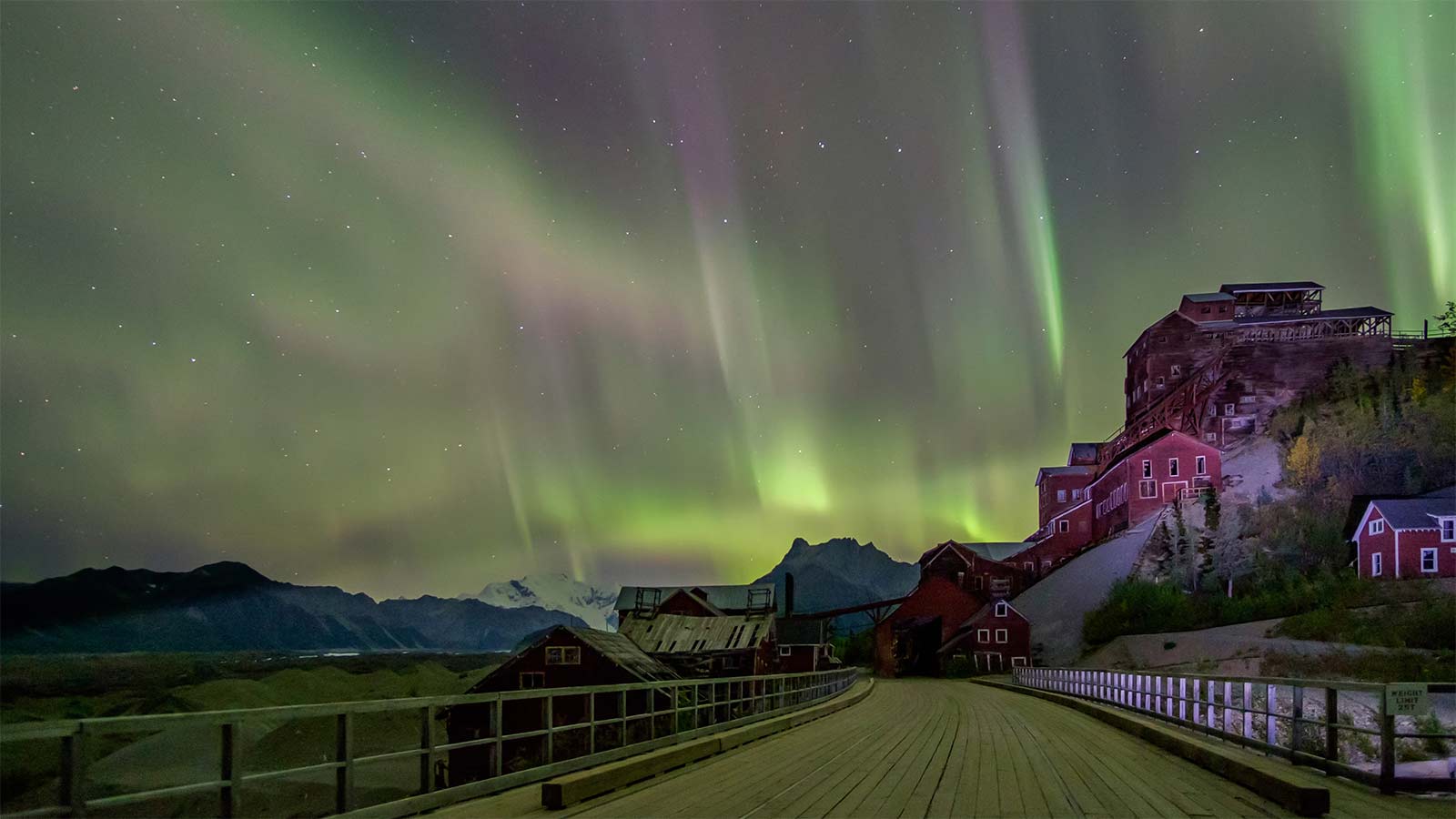
The Northern Lights, scientifically known as Aurora Borealis, are one of nature’s most mesmerizing spectacles. For centuries, people living in the far north have looked up on cold, clear nights and witnessed the sky come alive with waves of green, purple, and sometimes red. But what exactly causes this dazzling phenomenon?
At its core, the Northern Lights are the result of charged particles from the sun colliding with Earth’s atmosphere. When the sun emits a burst of energy—known as a solar wind—these particles travel millions of kilometers before reaching our planet. Once they arrive, they interact with gases like oxygen and nitrogen, producing the vibrant colors that dance across the night sky. The closer you are to the magnetic poles, the more likely you are to see these lights in their full glory.
Where and When Can You See the Northern Lights?
If you’re hoping to catch the aurora, geography is key. The best places to see the Northern Lights are within the so-called “Auroral Oval”—a ring-shaped region around the North Pole that includes Alaska, northern Canada, Greenland, Iceland, Norway, Sweden, and Finland. Some remote Russian regions also fall within this area.
The most active auroral displays typically occur during the winter months when nights are longest and skies are darkest. However, no matter how carefully you plan, the aurora remains unpredictable. Some nights, the lights are faint and barely visible; on others, the sky erupts in color for hours. Solar activity cycles—periods of increased and decreased solar wind—also play a major role in determining the frequency and intensity of the displays.
The Science Behind the Spectacle
For centuries, the origins of the Northern Lights were shrouded in mystery. Ancient peoples spun myths to explain the lights: the Sámi people of Scandinavia believed the aurora was the energy of departed souls, while some Inuit communities saw the lights as spirits playing ball with a walrus skull. It wasn’t until the late 19th and early 20th centuries that scientists began to unravel the true cause.
Today, thanks to advances in space science, we know that auroras are the visible result of space weather. When solar winds reach Earth, they are guided by the planet’s magnetic field toward the poles. The energy released as these particles interact with atmospheric gases produces photons—tiny packets of light—that create the auroral glow. Green is the most common color, caused by oxygen molecules about 100 kilometers above Earth. Red and purple hues, though rarer, are produced by higher-altitude oxygen and nitrogen.
Cultural Impact and Modern Tourism
Beyond its scientific intrigue, the Northern Lights have left a deep mark on global culture. Writers, poets, and artists have all tried to capture the magic of the aurora. In recent decades, this fascination has sparked a booming “aurora tourism” industry, especially in places like Norway, Iceland, and Finland. Hotels offer wake-up calls for guests when the lights are active, and guided tours take adventurers far from city lights to maximize their chances of witnessing the spectacle.
For local communities, the aurora is more than just a tourist attraction. In northern Scandinavia, the lights are woven into folklore, winter festivals, and even modern advertising. Meanwhile, scientists use the aurora as a natural laboratory to study space weather, which can impact everything from satellite communications to power grids.
Chasing the Lights: A Modern Adventure
Experiencing the Northern Lights in person is often described as life-changing. Imagine standing in the stillness of a snowy forest or on the windswept tundra, as waves of color ripple silently overhead. No photograph or video can quite capture the feeling—the sense of connection to something ancient, mysterious, and vast.
But chasing the aurora also requires patience and a bit of luck. Forecasts based on solar activity can help, but nature doesn’t run on a schedule. Sometimes, those who travel thousands of kilometers for a glimpse leave empty-handed, while others stumble upon the lights by chance on an ordinary night. For many, this unpredictability only adds to the allure.
Protecting the Night Sky
As interest in the Northern Lights grows, so does awareness of the need to protect dark skies. Light pollution from cities and towns can make the aurora invisible even on active nights. Conservation groups in northern regions are working to limit artificial light and preserve natural habitats—not just for the aurora, but for nocturnal wildlife and the cultural heritage of darkness itself.
Some communities are implementing “dark sky reserves,” while others are educating visitors about the importance of keeping the night pristine. The Northern Lights, after all, are a reminder of our connection to the cosmos—a spectacle that depends on both solar physics and the simple beauty of an unspoiled sky.
Looking Ahead: The Aurora’s Place in a Changing World
As climate change and technological progress reshape the north, the future of aurora viewing is uncertain. Warming temperatures could change weather patterns, making clear winter nights less common in some regions. Meanwhile, new scientific missions—like satellites and ground-based observatories—promise to deepen our understanding of auroras and their effects on Earth.
For now, the Northern Lights remain one of the planet’s great natural wonders. Whether you’re a scientist, an artist, or simply someone with a sense of wonder, the aurora offers a rare chance to witness the interplay of solar energy, atmospheric chemistry, and human imagination.
In the end, the Northern Lights are more than just a beautiful phenomenon; they are a living bridge between the sun and Earth, between science and myth, and between the past and the present. Their enduring allure reminds us that even in an age of technology, some mysteries are best experienced with our own eyes—and hearts—beneath the vast, silent sky.