
Quick Read
- October 2025 offers heightened Northern Lights activity due to increased solar wind.
- Best viewing locations include Alaska, northern US states, Canada, Scandinavia, and Scotland.
- Clear, dark nights between 10 p.m. and 2 a.m. provide optimal visibility.
- Auroral colors are produced by solar particles interacting with oxygen and nitrogen in the atmosphere.
- Forecasts and apps can help pinpoint the best times and places to watch.
Peak Northern Lights Viewing: October 2025’s Celestial Show
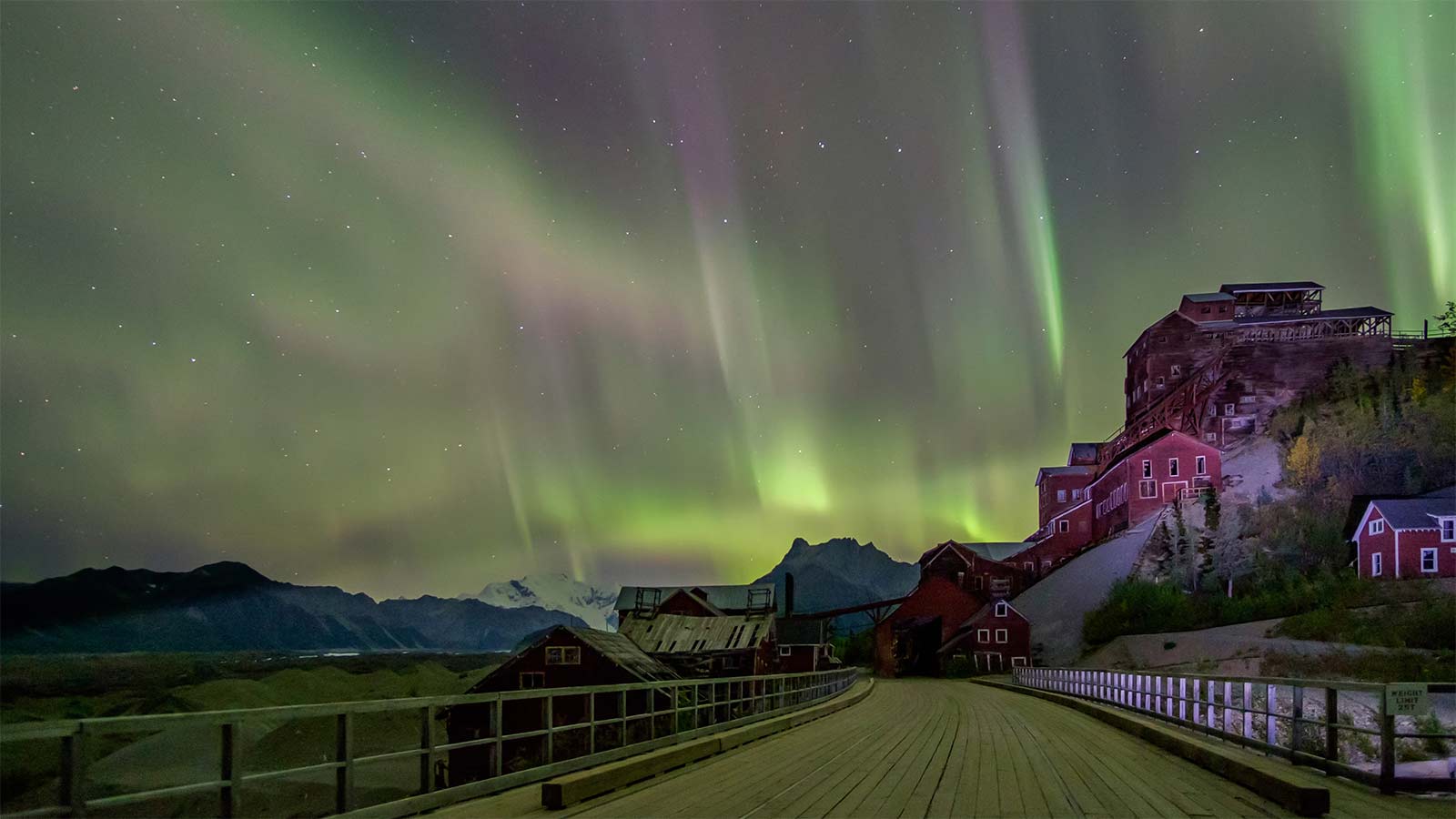
As autumn deepens across the Northern Hemisphere, October 2025 is set to deliver one of nature’s most breathtaking spectacles: the Northern Lights, or aurora borealis. For stargazers, photographers, and anyone yearning for a moment of cosmic awe, this month promises rare opportunities to witness luminous ribbons of green, violet, and pink streaking across the night sky.
The Northern Lights occur when charged particles from the sun interact with the Earth’s magnetic field, colliding with atmospheric gases—such as oxygen and nitrogen—and releasing energy in the form of light. According to Times of India, this week marks an especially active period for auroral displays, driven by increased solar wind and geomagnetic storms. Scientists attribute this surge in activity to heightened solar cycles, which can occasionally push the auroras further south than usual.
Where to Catch the Aurora: Top Locations for October
If you’re hoping to catch the Northern Lights in October 2025, geography is key. While the aurora is most commonly visible near the Arctic Circle, favorable conditions mean that this month, the spectacle could stretch across a wider swath of North America and Europe. States such as Minnesota, North Dakota, and Alaska in the United States, as well as regions of Canada, Scandinavia, and northern Scotland, are expected to offer prime viewing opportunities.
Local weather and light pollution play critical roles. The best chances come on clear, crisp nights, far from city lights. Experts recommend heading to national parks, remote lakeshores, or elevated vantage points. The further north you travel, the greater your odds of experiencing the full intensity of the auroral storm.
Optimal Timing: When to Watch the Night Sky
Timing is everything when it comes to aurora hunting. The best viewing windows typically fall between 10 p.m. and 2 a.m., when the sky is at its darkest and solar particles have had time to reach the atmosphere. In October, longer nights and cooler temperatures create ideal conditions for visibility.
Forecasting auroras has become more accurate thanks to satellite monitoring and real-time geomagnetic data. Websites and apps now offer hour-by-hour predictions, alerting users when a surge is imminent. According to gasworld, specialty and rare gases in the atmosphere—including oxygen and nitrogen—play a pivotal role in creating the vivid colors seen during strong auroral displays.
The Science Behind the Spectacle: Rare Gases and Solar Winds
The Northern Lights are more than just a visual marvel—they are a living demonstration of atmospheric science. When solar wind, a stream of charged particles from the sun, strikes Earth’s magnetosphere, electrons excite the atoms of rare gases. Oxygen at higher altitudes glows green, while nitrogen emits purple and red hues. Recent advancements in atmospheric research, as highlighted in gasworld, have deepened our understanding of how these gases interact, and why some auroral events appear brighter or more colorful than others.
October’s increased solar activity is also influencing the demand for specialty gases used in scientific research and semiconductor manufacturing. As industries track changes in atmospheric purity and composition, the intersection of technology and nature becomes ever more apparent.
Tips for Viewing: Making the Most of the Experience
- Choose Your Spot Wisely: Seek out dark, open areas away from city lights. National parks and rural locations offer the best conditions.
- Watch the Weather: Clear skies are essential. Check local forecasts and aim for nights with minimal cloud cover.
- Bring the Right Gear: Dress warmly, pack a camera with manual settings, and consider bringing a tripod for long exposures.
- Stay Updated: Use aurora forecast apps and websites for real-time alerts.
For many, seeing the Northern Lights is a once-in-a-lifetime experience—a moment when the ordinary night sky transforms into a stage for cosmic drama. Whether you’re a seasoned aurora chaser or a curious first-timer, October 2025 offers a rare chance to connect with the wonders above.
Community and Cultural Impact: Stories Under the Lights
The aurora has inspired legends and traditions for centuries. Indigenous peoples of the Arctic have long woven tales about spirits and ancestors dancing in the sky. Today, the Northern Lights draw travelers from across the globe, fueling local economies and fostering a sense of shared wonder. Towns in prime viewing regions often organize festivals, guided tours, and educational programs, inviting visitors to experience the magic firsthand.
As digital connectivity grows, enthusiasts share real-time photos and stories on social media, expanding the reach of this ancient phenomenon. The intersection of tradition and technology creates new avenues for community engagement and scientific discovery.
Looking Ahead: Future Auroral Events and Research
October 2025’s spectacular display may be just the beginning. Scientists predict that the coming years will see increased auroral activity as the sun approaches the peak of its 11-year cycle. This will provide more opportunities for both casual observers and researchers to study the phenomenon, deepening our understanding of Earth’s atmosphere and magnetic field.
With advances in satellite technology and atmospheric science, the future holds promise for even more accurate forecasts and vivid displays. As industries continue to explore the role of rare gases—both in nature and in manufacturing—the connection between human innovation and cosmic beauty grows stronger.
In the end, the Northern Lights remind us of our place in a vast, interconnected universe. They call us to look up, to wonder, and to appreciate the delicate balance of forces that shape our world. October 2025 stands as a testament to nature’s enduring ability to surprise and inspire.
Analysis: The convergence of scientific advancement and natural spectacle this October reveals how closely tied our technological pursuits are to the rhythms of the Earth and cosmos. As the Northern Lights illuminate the night, they also shed light on the ongoing dialogue between humanity’s curiosity and the mysteries of our atmosphere, underscoring the value of both preservation and exploration.