
Quick Read
- NASA is launching rockets from Alaska to perform a 3D ‘CT scan’ of the Northern Lights’ electrical circuits.
- AI research led by Jason Press is recovering historical aurora data obscured by clouds, improving prediction capabilities.
- These scientific advancements aim to better predict and mitigate the impact of solar flares on satellites, GPS, and power grids.
- Increased solar activity is making the Northern Lights potentially visible in latitudes further south than usual.
- Chena Hot Springs Resort in Alaska remains a prime location for public viewing of the aurora borealis.
FAIRBANKS (Azat TV) – New scientific missions are rapidly advancing humanity’s understanding of the Northern Lights, also known as the aurora borealis, driven by increasing solar activity and the potential for more widespread aurora displays. NASA is deploying a unique rocket mission from Alaska to perform a 3D ‘CT scan’ of the aurora’s intricate electrical circuits, while parallel artificial intelligence research is recovering critical historical data to improve space weather predictions and protect essential technology.
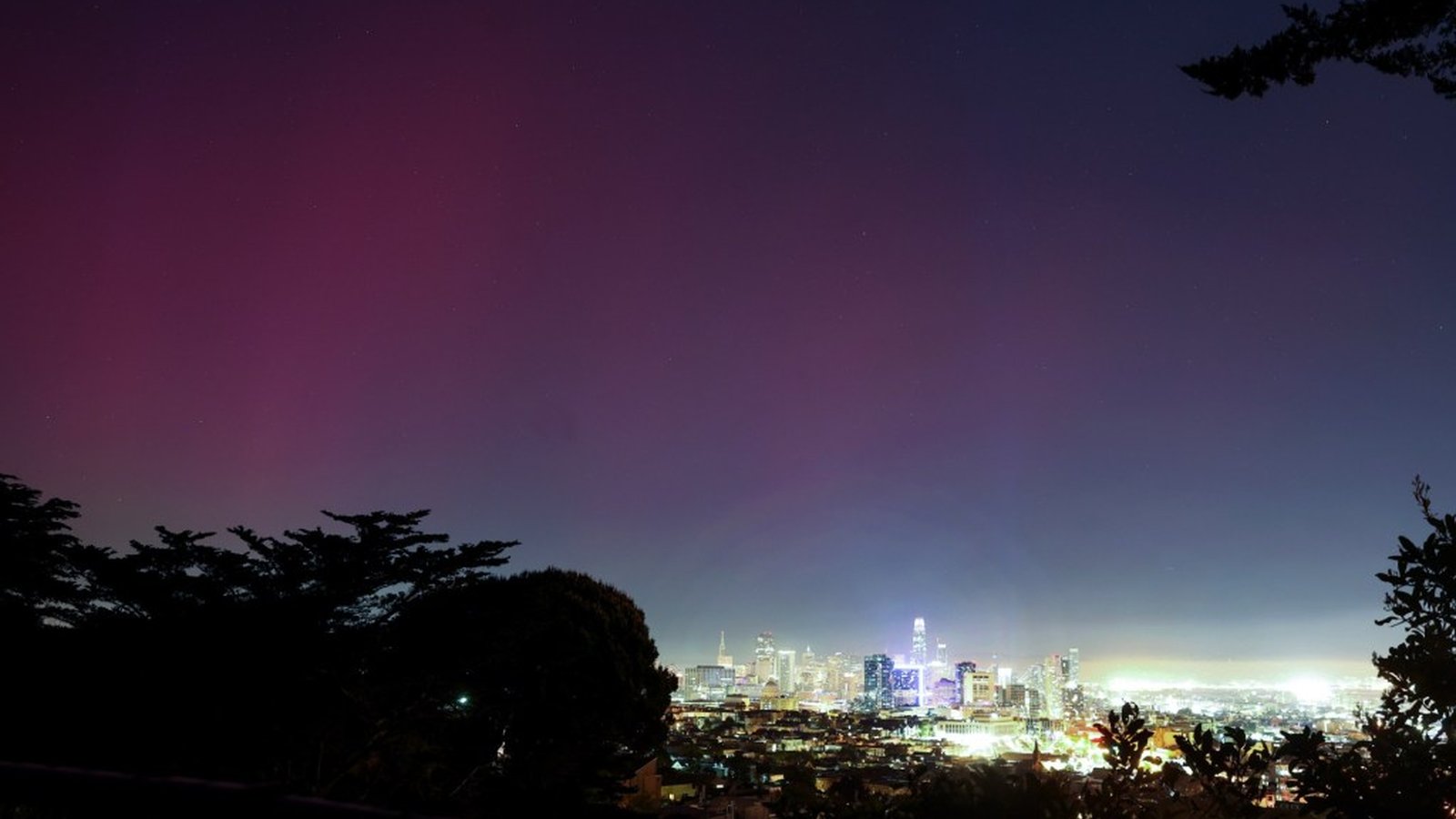
These concentrated efforts come as solar flares are causing heightened interest in the aurora, making the dazzling sky phenomena potentially visible in latitudes further south than usual. Scientists are keen to unravel the mysteries behind these light shows to mitigate their impact on Earth’s technological infrastructure.
NASA’s Aurora CT Scan Mission
NASA is launching two rockets from the Poker Flat Research Range in Fairbanks, Alaska, directly into the heart of the Northern Lights. This mission aims to perform a medical-style 3D scan of the sky to map the electrical circuits that power the aurora. While auroras appear as silent, colorful light displays, they are, in fact, massive electrical circuits connecting Earth to the far reaches of space.
The aurora is fueled by a flow of electrons from the Sun, which interact with Earth’s atmosphere. However, the return journey of this electrical current, critical for completing the circuit, has remained largely unmapped. Scientists explain that as electrons hit the atmosphere, they scatter chaotically, making their path difficult to track. The NASA mission will deploy eight mini-sensors from the rockets, measuring the electrical environment from various angles and using radio signals to reconstruct a 3D view of the plasma, much like a medical CT scan.
AI Breakthroughs for Aurora Prediction
Complementing NASA’s direct observation efforts, innovative research led by Marin Catholic High School graduate Jason Press at Pepperdine University is leveraging artificial intelligence to improve data collection and prediction for the Northern Lights. Press and his team are developing AI models capable of ‘seeing through’ clouds that typically obscure satellite data, allowing scientists to recover valuable information previously considered lost.
Historically, at least half of the satellite video data on the aurora borealis has been compromised by cloud cover. Last summer, Press’s team successfully cleared images from 90 minutes of satellite video, a breakthrough that was presented at the American Geophysical Union conference. This ability to read the aurora more accurately could offer scientists enhanced capabilities to predict catastrophic events caused by large solar flares or ‘solar wind’ emissions, according to Pepperdine physics professor Gerard Fasel, who mentors Press.
Understanding Space Weather’s Earthly Impact
The scientific community’s intensified focus on the aurora is not merely about solving a physics riddle; it has profound implications for Earth’s technological resilience. The electricity that powers the aurora also heats the upper atmosphere, causing it to expand. This expansion creates space weather phenomena that can disrupt satellites, scramble GPS signals, and even pose threats to power grids.
Historical events underscore the severity of such impacts. A powerful solar wind blast in 1859, known as the Carrington Event, caused telegraph lines to ignite. More recently, a less severe solar storm in 1989 led to a multi-day power grid collapse in Quebec. By gaining a deeper understanding of the aurora from the inside, and by improving predictive capabilities through AI-enhanced data, scientists aim to provide advance warnings that could allow operators to power down spacecraft and protect critical terrestrial infrastructure from future solar storms.
Prime Locations for Aurora Viewing
For those eager to witness the Northern Lights firsthand, destinations like Chena Hot Springs Resort, northeast of Fairbanks, Alaska, remain premier viewing spots. This geothermal resort offers visitors the chance to soak in mineral-rich waters under the expansive Arctic sky, often illuminated by the mesmerizing aurora borealis. The resort also offers guided aurora tours, providing an accessible way for the public to experience the natural wonder that scientists are working tirelessly to understand and predict.
The confluence of advanced rocket missions and groundbreaking AI research marks a pivotal moment in space weather science, promising not only a clearer picture of the Northern Lights but also enhanced preparedness for the solar events that increasingly affect our interconnected world.