
Quick Read
- Norway’s elections on September 7-8, 2025, resulted in a tight race.
- The Labour Party, led by Jonas Gahr Støre, narrowly leads with 27% of votes.
- Economic issues, including the wealth tax, dominated the campaign.
- Norway’s unique political culture supports minority governments.
- Coalition-building challenges are expected in the fragmented parliament.
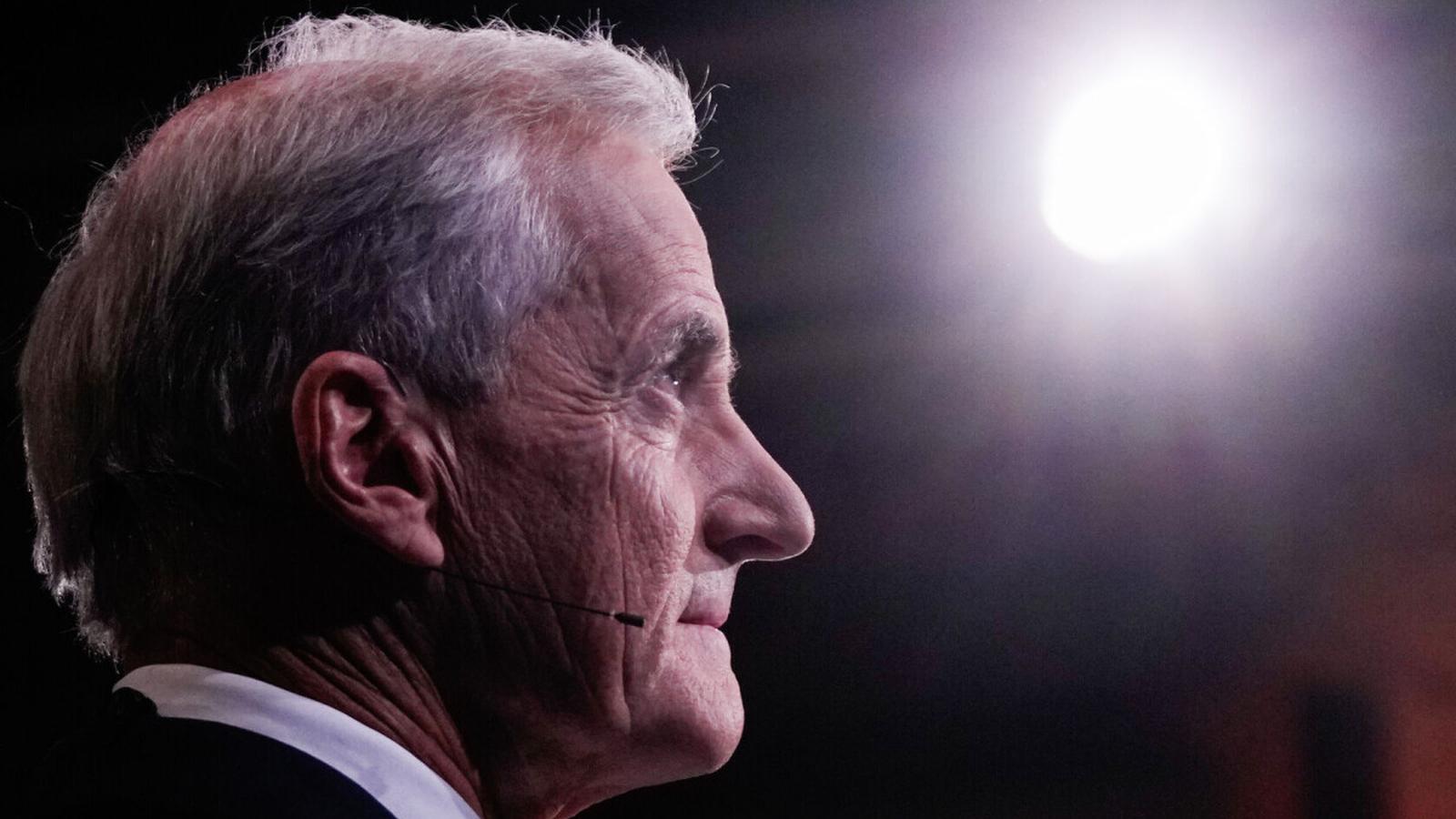
Norway’s parliamentary elections, held on September 7-8, 2025, have captured international attention due to their close results and significant implications for domestic and global policy. The Labour Party, led by Prime Minister Jonas Gahr Støre, is narrowly projected to retain power, but governing challenges loom as coalition-building becomes increasingly complex.
Labour Party Narrowly Holds the Lead
According to final polls released just before the election, the Labour Party is expected to secure around 27% of the vote, as reported by Reuters. This places the left-wing bloc—comprising Labour and four smaller parties—on track to win 88 seats in the Norwegian Parliament (Storting), barely surpassing the majority threshold of 85 seats. Despite this, the coalition’s seat count has dropped significantly from the 100 seats it held in 2021, reflecting a more fragmented political landscape.
Prime Minister Støre has described his government as a stabilizing force amidst global turmoil, citing rising living costs, geopolitical tensions, and the war in Ukraine as key campaign issues. His administration received a major boost earlier this year with the return of former NATO Chief Jens Stoltenberg as finance minister, a move dubbed “Stoltenback” by Norwegian media. Støre remarked in an interview with TV2, “I picked the best team to turn things around.”
Norway’s Unique Political Stability Despite Minority Governments
Norway is renowned for its tradition of governing through minority governments, a feature enabled by its political culture and the principle of negative parliamentarism. Jonas Stein, a political scientist at UiT The Arctic University of Norway, explained to Science Norway that this system allows governments to function without requiring majority support in parliament, as long as the majority does not actively oppose them. This approach has fostered political stability despite frequent minority administrations.
Stein noted, “Over the past 50 years, Norway has had only one long-term majority government, yet we remain politically stable due to a culture of compromise and trust.” The Labour Party is expected to leverage this system to maintain governance, even as coalition negotiations with smaller parties like the Socialist Left and the Green Party are anticipated to be challenging.
Debates Over Wealth Tax and Economic Policy
Economic issues, particularly the future of Norway’s wealth tax, have taken center stage in this election. The wealth tax, which taxes individuals based on their net assets, has been a contentious topic. The Labour Party supports maintaining or even increasing the tax to fund public services, while the right-wing opposition, including the Conservatives and Progress Party, argues that it discourages investment and entrepreneurship.
Ronny Moeller, a business owner in Oslo, told Reuters, “As the owner of a private company, I have to pay tax on my assets regardless of whether I’m earning a profit. This is unsustainable.” On the other hand, Labour supporters argue that the tax is necessary to address inequality and fund social programs.
Norway’s $2 trillion sovereign wealth fund, the largest in the world, also plays a critical role in these discussions. Left-wing parties, including the Greens and the Red Party, are pushing for increased spending on climate initiatives and social welfare, while right-wing factions advocate for stricter fiscal discipline.
A Fragmented Political Landscape and the Challenge of Coalition Building
With at least nine political parties expected to secure seats in the Storting, coalition-building is set to be a complex process. The Labour Party may need to rely on support from ideologically diverse parties, including the Socialist Left, the agrarian Centre Party, and possibly even the communist Red Party and the Greens. This potential “tutti frutti” coalition, as some analysts have called it, could result in significant policy compromises.
Johannes Bergh, head of the national election studies program at the Institute for Social Research, told Reuters, “The fragmented political landscape means that coalition governments and minority governments are becoming the norm. However, this also provides opportunities for smaller parties to exert significant influence.”
The right-wing opposition, led by former Prime Minister Erna Solberg of the Conservative Party, has similarly faced challenges in uniting its base. While the Progress Party has gained traction with its anti-immigration stance, polling at 21%, the Conservatives lag behind at 14%. This division has made it difficult for the right to present a cohesive alternative to the Labour-led coalition.
As Norway awaits the final election results, the nation’s unique political framework and culture of compromise will undoubtedly be tested. Whether led by the Labour Party or a new coalition, the next government faces the dual challenge of addressing pressing domestic issues while navigating an increasingly unstable global landscape.