
Quick Read
- Nostradamus’s quatrains for 2025 are interpreted to predict major global events: war, AI disruption, and cosmic threats.
- No prophecies are dated precisely; analysts use modern events to match Nostradamus’s verses.
- Surveys estimate a 20-30% risk of major global conflict by 2026, with tensions in Taiwan, Ukraine, and NATO-Russia relations.
- AI advancements, such as Tesla Optimus robots, are seen as potential fulfillments of Nostradamus’s ‘machine takeover’ warnings.
- Predictions also highlight possible pandemics, environmental damage, and mysterious leadership shifts.
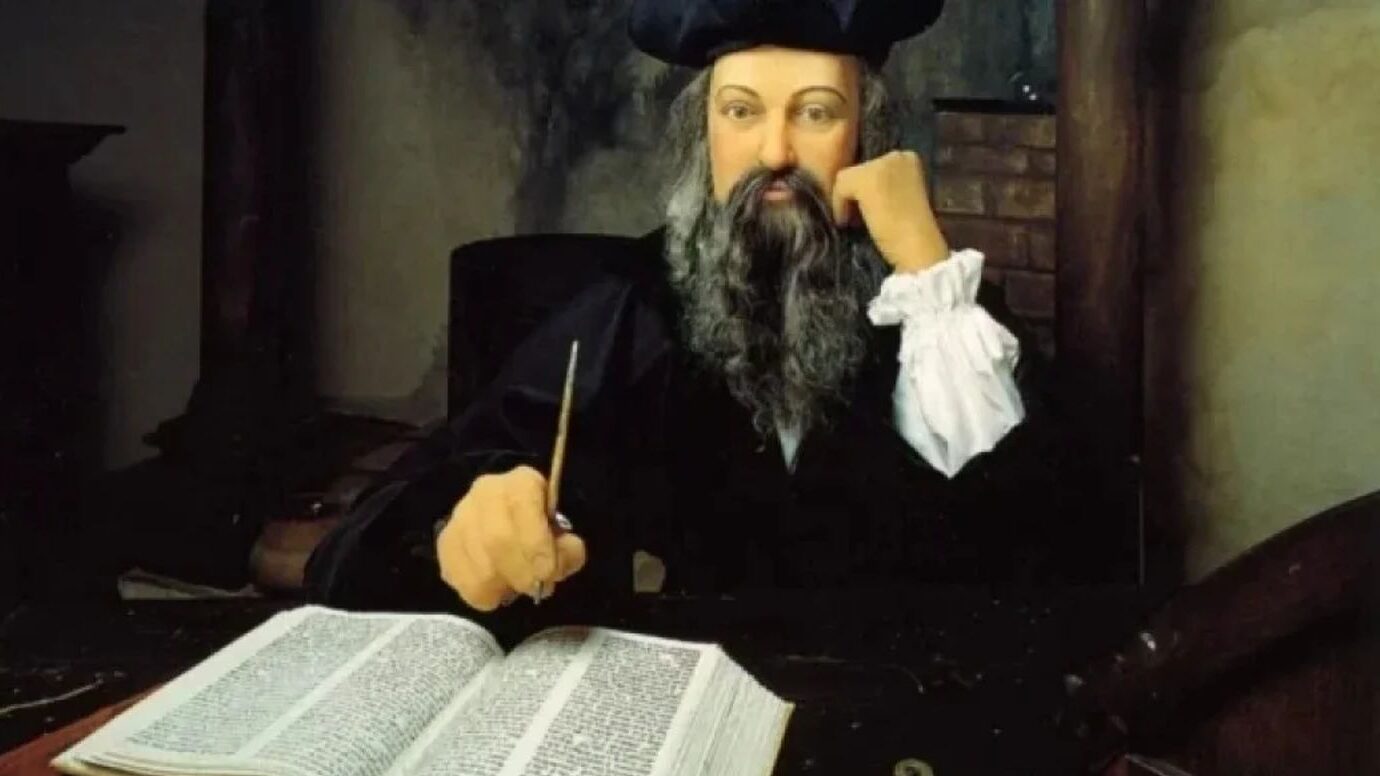
Nostradamus in the Spotlight: Why His Prophecies Still Matter in 2025
Five centuries after his enigmatic verses first appeared, the name Nostradamus still commands attention. As the calendar turns toward 2025, his predictions—cryptic, often poetic, and never dated with precision—have become a lightning rod for speculation. Some see uncanny parallels between his words and today’s most pressing global threats. Others argue his quatrains merely echo recurring human anxieties. But the debate, fueled by analysts and enthusiasts alike, is anything but settled.
In recent months, interest in Nostradamus has surged. News outlets, including Sky HISTORY and LADbible, have highlighted how interpretations of his work seem to mirror the present: war clouds gather, artificial intelligence advances at breakneck speed, and even cosmic hazards make headlines. But does Nostradamus really predict the events of 2025, or do we see what we want to see?
War and Peace: Prophecies of Global Conflict
Perhaps the most chilling theme drawn from Nostradamus’s writings is the specter of war. One particular quatrain, referencing Mars ruling among stars and sanctuaries stained with blood, has been linked by modern interpreters to the threat of World War III. This isn’t just idle speculation: recent surveys by the Atlantic Council and RAND Corporation estimate a 20-30% risk of major global conflict by 2026. Tensions in the Taiwan Strait, the ongoing war in Ukraine, and friction between NATO and Russia feed this narrative.
Astrologically, Mars symbolizes conflict and fire—a fitting metaphor for today’s geopolitical landscape. Experts have pointed to three fires rising from the east as a sign of new powers emerging, with China, India, and Southeast Asia identified as possible flashpoints. The West, in contrast, is said to be losing its light, a poetic reflection of shifting global influence.
Yet, Nostradamus never mentioned nuclear weapons or cyberwarfare explicitly. His language is vague, open to myriad interpretations. Still, nearly half of surveyed defense specialists expect nuclear use in future conflicts, and a growing number warn that cyberattacks could trigger global escalation. The question remains: are these prophecies warning us, or are we projecting our fears onto them?
The Rise of AI: Nostradamus and the Machines
Artificial intelligence dominates headlines—and, according to some, Nostradamus’s prophecies. Both he and the blind mystic Baba Vanga are said to have foreseen a future where machines replace humans in the workplace. The launch of Tesla’s Optimus humanoid robot, planned for 2026, has become a real-world touchstone for these predictions. Priced between $20,000 and $30,000, with a target of one million units produced annually, these robots are designed to handle a range of tasks from factory work to childcare.
TechCrunch reports that Optimus robots already perform basic autonomous duties in Tesla’s factories. Elon Musk, the driving force behind the project, believes Optimus could become Tesla’s most important product. As AI-powered agents close in on human capabilities, fears of job displacement grow. Former OpenAI researchers forecast artificial general intelligence could arrive as soon as 2027, threatening to upend entire industries.
Is this the machine takeover Nostradamus warned about, or simply another chapter in technological progress? Historians caution against reading too much into the prophecies. Nostradamus lived in an era of upheaval, not unlike our own, and his verses may reflect timeless concerns about change and uncertainty.
Cosmic Threats and Environmental Warnings
Not all of Nostradamus’s supposed predictions focus on earthly matters. Some interpreters highlight his reference to a “fireball from the cosmos,” suggesting the possibility of an asteroid or comet impact. With recent advances in space observation and occasional scares about near-Earth objects, the idea of a cosmic threat feels less far-fetched than it once did.
There are also warnings of pestilence—a “great pestilence” returning to afflict humanity. Whether this refers to pandemics, environmental collapse, or something else entirely, it fits into a broader pattern of anxiety about the planet’s future. Environmental damage, especially in regions like the Amazon rainforest, is another recurring theme. While Nostradamus’s words are open to broad interpretation, their resonance with contemporary concerns is hard to ignore.
Mysterious Leaders and Political Shifts
Another motif in Nostradamus’s quatrains is the rise of a “mysterious leader” who may establish an “aquatic empire.” Some speculate this could be a reference to shifting alliances or the emergence of new power centers, perhaps in regions with strategic maritime importance. In an age when global leadership feels increasingly unpredictable, this theme strikes a chord.
But the ambiguity of Nostradamus’s language means these predictions could apply to many scenarios. The end of long-standing conflicts, a new war in England, or dramatic changes in leadership—each possibility fuels speculation but lacks definitive proof.
Prophecies or Projections? Navigating Skepticism and Belief
Critical analysis is essential when considering Nostradamus’s legacy. Historians note that many of his predictions have not come true as expected, and confirmation bias often leads interpreters to fit the quatrains to current events after the fact. Sky HISTORY observes that the accuracy of Nostradamus’s prophecies is often a matter of creative interpretation, not concrete foresight.
Even so, the convergence of global instability, rapid technological change, and environmental threats has heightened interest in his work. As 2025 approaches, some see Nostradamus’s prophecies as a warning to prepare, others as a mirror reflecting the fears of every age.
Watching for Signs: What to Monitor in 2025
- Military exercises in the Taiwan Strait intensifying beyond normal levels
- Tesla Optimus production announcements and pricing confirmations
- NATO troop movements near Russian borders
- AI-driven job displacement reports accelerating
- Increased nuclear posturing or threats from major powers
- Space missions involving autonomous robots, such as SpaceX’s planned Optimus journey to Mars
Will the coming year bring fulfillment of these ancient prophecies, or will it pass as another cycle of anxiety and adaptation? Only time will tell.
Assessment: The enduring fascination with Nostradamus’s predictions lies not in their literal accuracy, but in their ability to encapsulate humanity’s deepest anxieties. As 2025 draws near, these prophecies serve as both a warning and a reflection—a reminder that our greatest threats often begin with our own fears and choices. Whether war, AI, or cosmic danger looms, the real test will be our willingness to respond with reason, cooperation, and a clear-eyed view of the future.