
Quick Read
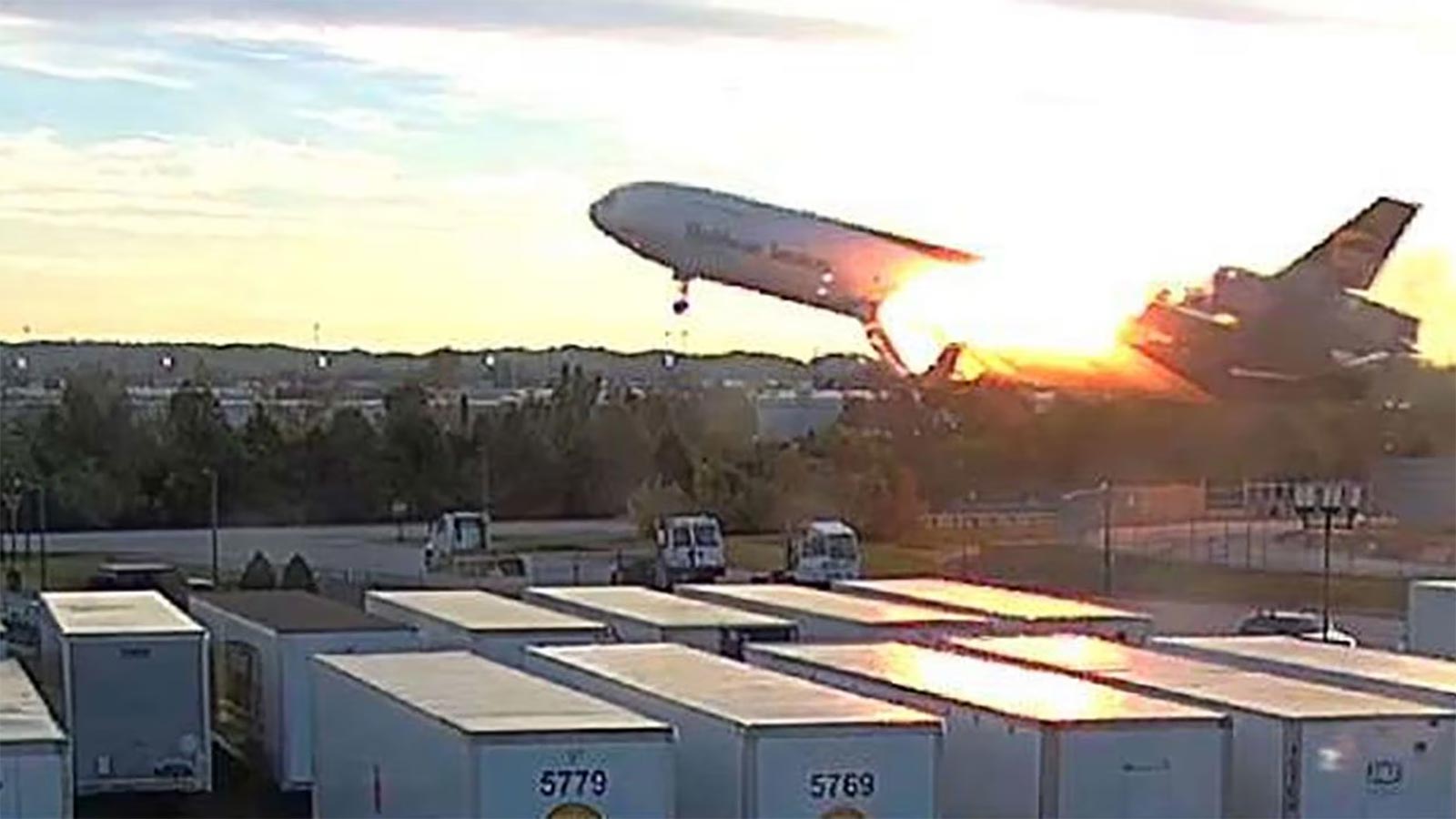
- NTSB released dramatic photos and a preliminary report on the November 4, 2025 UPS MD-11 crash in Louisville, Kentucky.
- Cracks found in the left engine mount; the aircraft was not yet due for detailed inspection under current maintenance schedules.
- 14 people died, including crew and individuals on the ground; UPS has grounded its MD-11 fleet.
- Industry experts and the FAA are now questioning the adequacy of existing inspection intervals.
NTSB Releases Preliminary Findings After Deadly UPS Plane Crash
On November 4, 2025, tragedy struck near Louisville, Kentucky, when a UPS MD-11 cargo plane crashed shortly after takeoff, claiming 14 lives—including three crew members and eleven individuals on the ground. Two weeks later, the National Transportation Safety Board (NTSB) released its preliminary report, shedding light on the technical and procedural factors that may have contributed to this disaster.
Cracks in Engine Mount: A Critical Discovery
Among the most striking findings in the report were the cracks discovered in the left wing’s engine mount. According to flight data recovered from the plane’s black boxes, the MD-11 barely managed to reach 30 feet off the runway before catastrophe struck. Dramatic photos published by the NTSB show the left engine detaching and flying over the wing, followed by images of the aircraft ablaze—a stark visual reminder of the disaster’s violent nature (CBS News).
The NTSB stated that the aircraft was not yet scheduled for a detailed inspection of these engine mount components. It still needed nearly 7,000 more takeoffs and landings before such a check was mandated by existing maintenance protocols. The last inspection of the plane took place in October 2021, suggesting that UPS had adhered to the required schedule. However, this timeline is now under scrutiny, with experts and regulators questioning its adequacy for detecting potentially catastrophic faults.
Maintenance Protocols Under the Microscope
“It appears UPS was conducting this maintenance within the required time frame, but I’m sure the FAA is now going to ponder whether that time frame is adequate,” aviation safety expert Jeff Guzzetti told The Associated Press after reviewing the NTSB’s findings. The core issue now is whether current industry standards provide enough protection against rare but deadly failures like this one.
Bill Moore, president of UPS Airlines, spoke candidly at a Louisville press conference: “Once we determine [the root cause], then they’ll be able to develop an inspection plan. Can we inspect it? If so, how do we repair it? How do we put it back together? And then eventually return the fleet to service. But that’s not going to happen quickly.” His remarks underline the complexity and caution required when an entire fleet’s safety is in question, especially during a busy holiday season.
Immediate Aftermath: Grounding and Community Impact
In response to the crash, UPS grounded its MD-11 fleet and shifted to alternative aircraft to meet delivery demands. While logistical adjustments were swift, the human cost was profound. Louisville Mayor Craig Greenberg publicly identified the victims, revealing the far-reaching impact on families and local businesses. Among the deceased were crew members, employees of Grade A Auto—one of the businesses struck by the plane—and even young children, such as three-year-old Kimberly Asa, who died alongside her grandfather, Louisnes Fedon.
The family of Kimberly and Louisnes described their bond as “best friends” and inseparable, a detail that has resonated deeply in local coverage. Such stories bring a human dimension to the technical and regulatory debates now unfolding.
The NTSB’s Ongoing Investigation and Broader Implications
With evidence recovered—including the plane’s black boxes—the NTSB continues to search for the root cause of the crash. Investigators are now tasked not only with reconstructing the technical sequence of events, but also with evaluating the sufficiency of current inspection intervals and maintenance regimes. The FAA’s role in reviewing and potentially revising safety protocols will be central to this process.
This tragedy has sparked renewed debate in the aviation community about balancing efficiency, cost, and safety. As cargo and passenger fleets age, the industry faces mounting pressure to re-examine the intervals and methods used to inspect critical components. The UPS incident is a stark reminder that even routine adherence to regulations may not be enough to prevent rare but devastating failures.
For the families affected, the investigation is more than a technical exercise—it’s a search for answers and accountability. Local businesses, such as Grade A Auto, are not only mourning the loss of employees but grappling with the impact on their livelihoods. The city of Louisville, too, is reckoning with the emotional and economic fallout.
As the NTSB and FAA work together to assess the evidence and consider possible regulatory changes, the aviation industry and broader public will be watching closely. The hope is that lessons learned from this tragedy will drive improvements in safety standards and inspection practices, ensuring that similar events are prevented in the future.
Based on the facts presented, the NTSB’s preliminary report highlights a critical gap between regulatory maintenance schedules and the reality of component fatigue in aging aircraft. While UPS followed the rules, those rules may themselves require urgent revision. The broader lesson is clear: aviation safety is a constantly moving target, and each incident offers a chance to refine protocols and protect lives.