
Quick read
- Nvidia’s Q1 earnings are set to be announced, with expectations of $43 billion in revenue.
- The chipmaker is a key player in the AI boom but faces challenges from China-related inventory issues.
- Analysts predict either a strong upside surprise or a mixed outcome, affecting stock momentum.
- Global markets, including Europe and Asia, are watching Nvidia’s performance closely.
- Stock price volatility is expected based on earnings results and forward guidance.
Nvidia Earnings: A Key Moment for the AI Industry
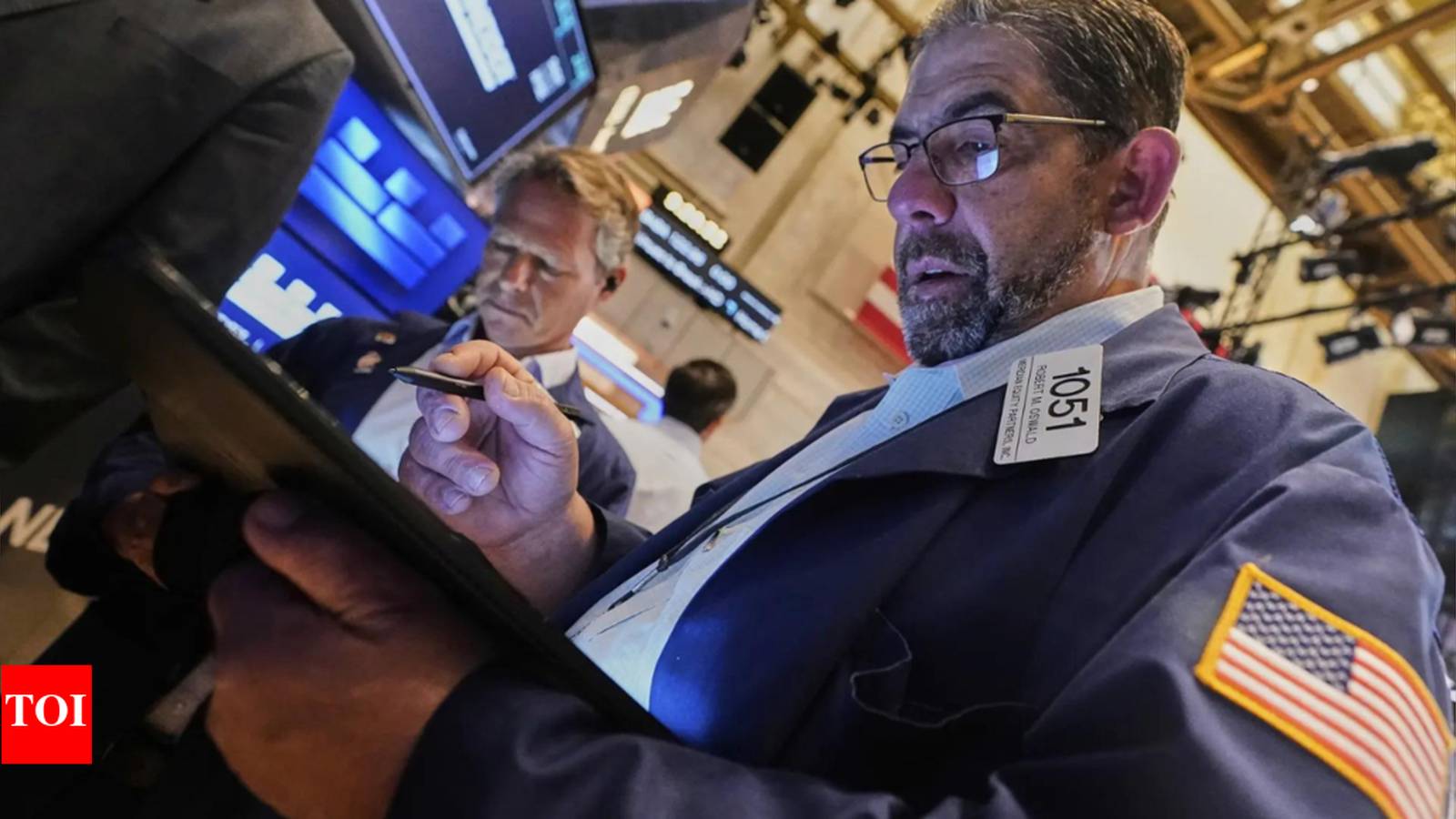
All eyes are on Nvidia as it prepares to release its Q1 earnings report, with traders eagerly anticipating the outcome. The California-based chipmaker, a central player in the artificial intelligence (AI) boom, is expected to report $43 billion in revenue, marking a significant increase from last year’s $26 billion. According to Reading Eagle, this earnings call could set the tone for AI-related stocks in the near term, especially given Nvidia’s crucial role in powering AI technologies.
Despite its strong market position, Nvidia faces challenges, including potential inventory charges tied to restrictions on China-related exports. Analysts are divided on whether the company will deliver another strong beat or report results that reflect these headwinds. As Piper Sandler noted, this quarter might be the “last wave of negative news” before a recovery in the second half of the year.
Challenges from China and Global Market Dynamics
One of the most significant challenges Nvidia faces is the impact of U.S. restrictions on exporting AI chips to China. Approximately $5.5 billion worth of inventory remains blocked, which could weigh heavily on this quarter’s results. According to The Globe and Mail, if Nvidia books this charge now, it could make the headline numbers look worse than expected, potentially triggering a sell-off.
These geopolitical tensions have broader implications, as global markets are closely monitoring Nvidia’s performance. European indices, including Germany’s DAX and France’s CAC 40, have shown subdued movement ahead of the earnings report, reflecting caution among investors. Similarly, Asian markets have been mixed, with South Korea’s tech-heavy Kospi gaining momentum while Chinese markets remain flat.
Investor Sentiment and Stock Price Volatility
Nvidia’s stock has seen a meteoric rise over the past few years, doubling in 2023 alone. However, 2025 has been more volatile, with its share price largely stalling. Analysts like those from Times of India warn that the stock is at a critical juncture. If Nvidia fails to meet expectations or issues cautious guidance for the next quarter, it could lead to significant price swings.
On the flip side, Nvidia has consistently outperformed Wall Street estimates in the past, beating expectations for 10 consecutive quarters. A clean beat-and-raise scenario could reignite momentum, especially if sovereign AI demand accelerates faster than anticipated. According to Piper Sandler, Nvidia remains a solid long-term investment, with a price target of $150, implying a 10% upside from current levels.
Broader Implications for the AI Sector
Nvidia’s earnings will not only impact its stock but also set the tone for the broader AI sector. Other major players like Microsoft and Alphabet are closely tied to Nvidia’s performance, given its role as a key chip supplier. As Reading Eagle reported, recent market volatility has raised concerns about the sustainability of AI-related spending.
The emergence of Chinese competitors, such as DeepSeek, further complicates the landscape. DeepSeek recently unveiled a generative AI model developed at a fraction of the cost of U.S. counterparts, raising questions about the long-term competitiveness of American firms. This development has already triggered a sell-off in U.S. tech stocks, underscoring the high stakes surrounding Nvidia’s earnings report.
As Nvidia prepares to announce its Q1 results, the market is bracing for potential surprises. Whether the company delivers a strong beat or faces challenges from geopolitical and market dynamics, its performance will undoubtedly shape investor sentiment and the trajectory of the AI industry.