
Quick Read
- The NYC Marathon route covers all five boroughs, starting in Staten Island and ending in Central Park.
- The course features challenging hills, bridges, and changing environments, making it one of the toughest major marathons.
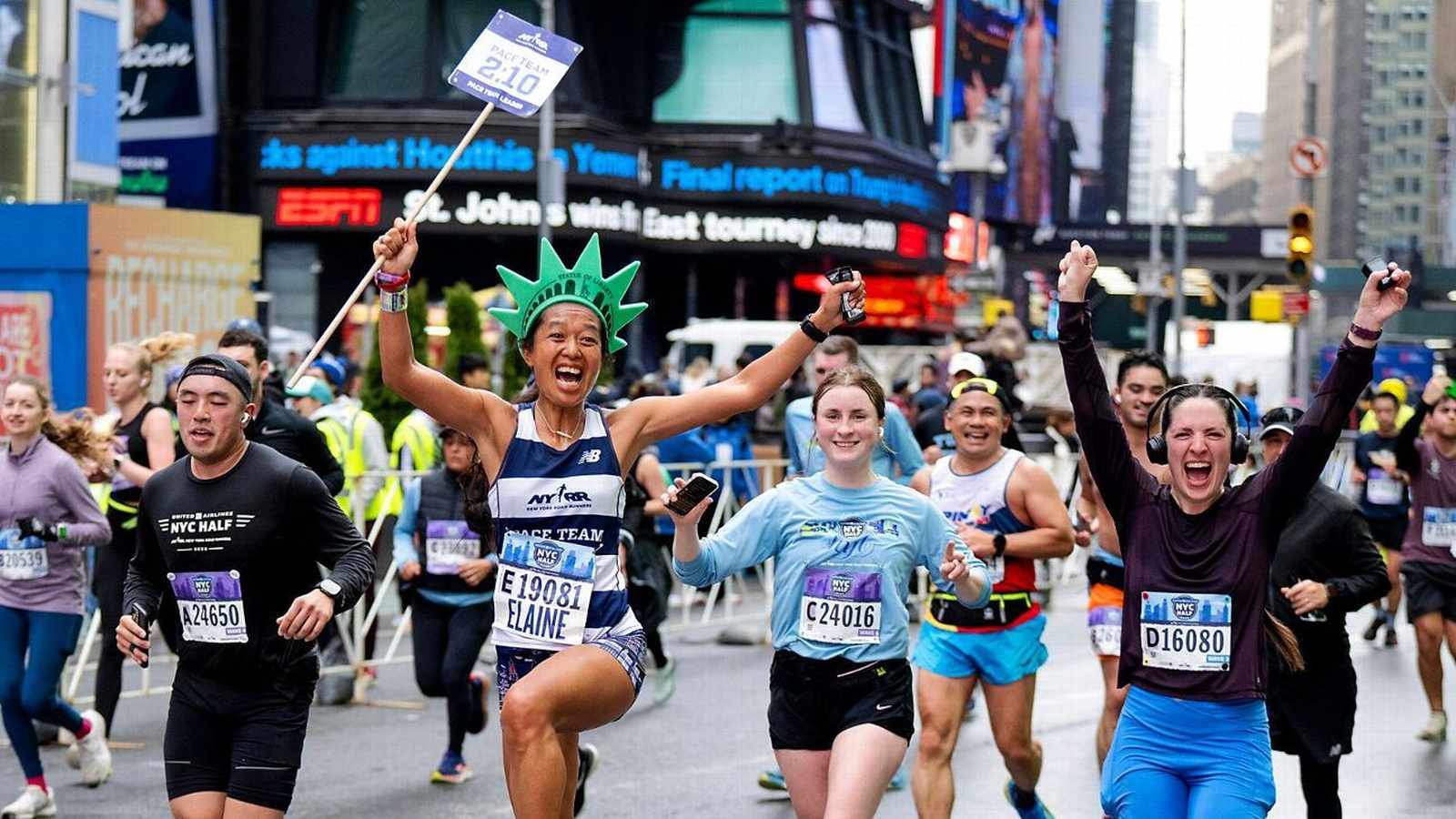
- Volunteer pacers guide runners, offering advice and ensuring groups hit their target times despite unpredictable conditions.
- Local restaurants along the route and near the finish line see significant sales surges, with strategic staffing and menu changes to meet demand.
- More than 2 million spectators create a festival atmosphere, turning the marathon into a citywide celebration and economic opportunity.
NYC Marathon Route: From Staten Island to Central Park
Every November, the TCS New York City Marathon transforms the city into a sprawling festival of endurance, community, and urban spectacle. More than 50,000 runners—elite athletes, everyday New Yorkers, and visitors from around the world—embark on the legendary 26.2-mile journey that weaves through all five boroughs. But for anyone who’s ever wondered about the route, the challenges it brings, and the living pulse of New York that powers it, the story goes far deeper than a simple map.
The race starts on Staten Island, at the foot of the Verrazano-Narrows Bridge. The first steps are uphill, with runners ascending almost a mile-long incline, their excitement amplified by the boom of a cannon and the strains of Frank Sinatra’s “New York, New York.” This isn’t just a beginning—it’s a rite of passage into the marathon’s demanding terrain. By the time runners reach Brooklyn, the city has truly awakened. Crowds gather, music blares, and the sense of collective momentum builds with every block.
Five Boroughs, Real Challenges
It’s easy to imagine New York as flat, but the marathon route is a gauntlet of hills, bridges, and shifting environments. After Brooklyn, runners cross into Queens, and then tackle the Queensboro Bridge—a stretch known for its eerie quiet and steep incline. For many, this is the most mentally challenging part: “It’s so quiet, it’s kind of creepy. All you hear is footsteps and breathing,” says veteran pacer Jackie Choi (ESPN).
From Queens, runners enter Manhattan, greeted by a tidal wave of cheers on First Avenue. The energy is electric, but the route remains unforgiving. Harlem’s streets and the rolling hills of Central Park arrive just when exhaustion peaks. The final climb up Fifth Avenue, past Marcus Garvey Park, tests every ounce of resolve left after 22 miles.
The finish line sits at the southern end of Central Park, near West 67th Street—a place where triumph and relief collide. Runners sprint, stagger, or simply smile their way to the end, cheered by thousands of strangers who’ve come to witness achievement in its rawest form.
The Pacers: Guiding Runners Through the Course
Behind the scenes, a team of 90 volunteer pacers from New York Road Runners (NYRR) play a crucial role. These unsung heroes run with visible pace signs, guiding groups of runners to their target finish times. Becoming a pacer is no easy feat: candidates must finish multiple marathons, demonstrate speed, and train for weeks to learn the route’s quirks—like how GPS can fail in some city sections, forcing reliance on mile markers and feel (ESPN).
Pacing isn’t just about time—it’s about trust. Pacers offer advice about water stations, gels, and terrain. They become the eyes and ears for runners, warning about potholes or sudden inclines. Some, like Jackie Choi, add their own flair: “I used to dress as the Statue of Liberty. Now I’m a taxicab—yellow tutu, taxicab hat, checkered socks.” The sign they carry isn’t just a marker; it’s a beacon, visible through the crowds, leading hopeful marathoners to their goals.
Pacers also deal with unpredictability: broken watches, sudden injuries, bathroom emergencies, and extreme weather. The bond they form with their groups is intense—sometimes literal, when a runner is asked to hold the pace sign while the pacer dashes to the restroom. At the finish, pacers often urge their group to sprint ahead, savoring the moment when someone achieves a lifelong dream.
Economic Impact: The Marathon’s Ripple Effect on Local Businesses
The NYC Marathon is not just a sporting event—it’s a citywide economic engine. With over two million spectators flooding the streets, restaurants and bars along the route experience one of their busiest days of the year. According to market insights from Restaurant Dive, the marathon creates two distinct “consumer zones”: the high-volume course route and the high-value finish line.
Restaurants along the route see early morning surges in quick transactions—up to 57% by 7 a.m.—but smaller checks as onlookers grab coffee or snacks before moving on. Operators are advised to prepare grab-and-go options and ramp up morning staffing. In contrast, establishments near the finish line face a wave of hungry celebrants, with group orders and larger checks. Sales jump 23% in these zones, and average check size climbs 12%. Canyon Road, a Mexican restaurant near the finish, sets up an open-window stand selling breakfast burritos and cocktails, efficiently converting passersby into paying customers.
For restaurant staff, the marathon is a marathon in itself—split shifts, early arrivals, and nonstop service. The best operators plan inventory days ahead, knowing that road closures can disrupt deliveries. Menu engineering focuses on comfort food and high-margin drinks; beer sales near the finish line spike 183%, while burgers rise 57%. Technology plays a role, too, with quick point-of-sale systems ensuring large parties are served efficiently.
Community, Celebration, and Lessons Learned
What makes the NYC Marathon route so iconic is not just its physical challenge, but the emotional journey and citywide celebration it sparks. Spectators line the course, transforming neighborhoods into impromptu block parties. Restaurants become gathering places for families, friends, and runners—each with their own story of struggle and triumph.
Veteran pacer Sabrina Seher sums it up: “Once you run a lot, it’s not so much about you and your goals anymore. It’s fun to give back. It’s fun to see other people achieving their goals.” The marathon is a living, breathing lesson in resilience, teamwork, and the power of community.
For business owners, the marathon is more than a one-day windfall—it’s a blueprint for how to manage high-volume events, engineer menus for speed and profit, and create memorable experiences. For runners, it’s a chance to see the full breadth of New York, test their limits, and be part of something much bigger than themselves.
The NYC Marathon route is a mirror of the city itself: challenging, diverse, and always moving. It’s a day when every bridge, every street, and every cheer combines into a tapestry of human ambition and urban energy. Success—whether for runners or businesses—comes not just from preparation, but from adapting to the unpredictable and embracing the collective spirit of New York.