
Abdullah Öcalan’s Call to Disarm the PKK: A Historic Shift in Turkey’s Kurdish Conflict
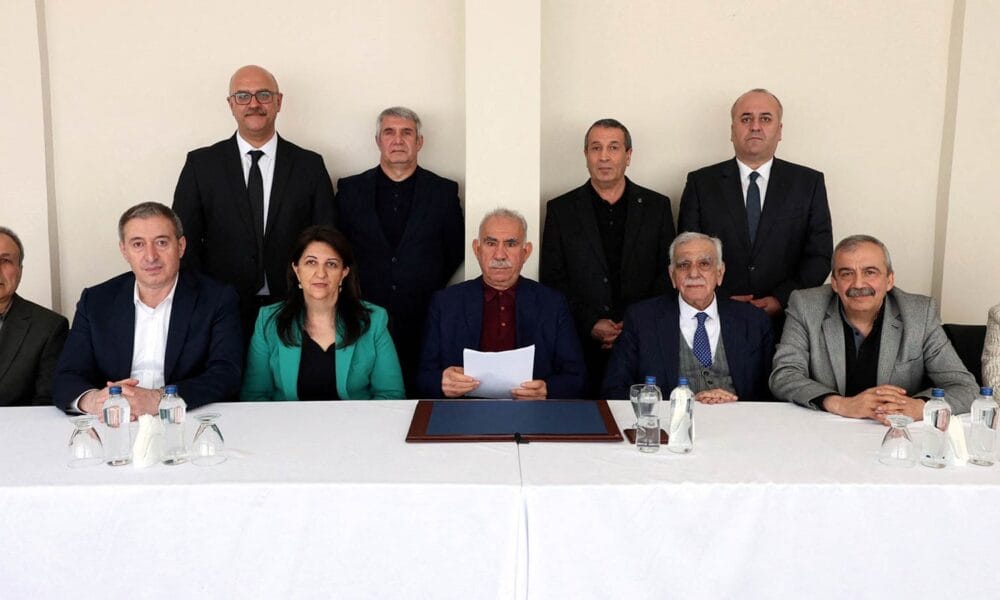
On February 27, 2025, Abdullah Öcalan, the imprisoned founder of the Kurdistan Workers’ Party (PKK), issued a momentous statement from İmralı Island, urging the militant group to disarm and dissolve. This announcement, facilitated by a delegation from the pro-Kurdish Peoples’ Equality and Democracy Party (DEM Party), may mark a turning point in the 40-year insurgency that has profoundly impacted Turkey’s political and social fabric. This article delves into the statement’s background, its potential ramifications, and the diverse reactions it has sparked.
Who Is Abdullah Öcalan and Why His Words Resonate
Abdullah Öcalan, widely known as Apo, founded the PKK in 1978, initially advocating for Kurdish rights and later for autonomy within Turkey. Despite his capture in 1999 and subsequent life imprisonment, Öcalan has remained a central figurehead and strategic mind for the Kurdish movement. His recent appeal to end the PKK’s armed conflict – after decades of struggle that have claimed over 40,000 lives – carries significant weight due to his enduring influence and the current climate of nascent peace initiatives. (Learn more about Abdullah Öcalan’s Role in the PKK).
Turkey’s Overtures for Peace and Öcalan’s Calculated Response
Öcalan’s statement is the culmination of recent political developments. In October 2024, Devlet Bahçeli, leader of the Nationalist Movement Party (MHP) and a key ally of President Recep Tayyip Erdoğan, proposed conditional parole for Öcalan if he disavowed violence and facilitated the PKK’s disbandment. President Erdoğan signaled support, describing it as a “historic opportunity.” This paved the way for DEM Party representatives to visit Öcalan in İmralı in December 2024 and February 2025—the first such visits in nearly a decade. On February 27, Öcalan declared, “The PKK should dissolve itself, I am calling on them to lay down their arms,” referencing a millennia-old Turkish-Kurdish alliance and advocating for a transition to political means.
Key Elements of Öcalan’s Dissolution Statement
Öcalan’s message, conveyed through DEM representatives in Istanbul, asserted that armed struggle, initially a response to the suppression of Kurdish identity, has become obsolete. He urged the PKK to convene a congress to officially dissolve, portraying this action as a “historical imperative.” He also acknowledged the “atmosphere” fostered by Bahçeli and Erdoğan, implying their initiatives created conditions for this pivotal shift. Legal constraints, however, prevented a video address from Öcalan (See the Full Transcript of Öcalan’s Message).
Varied Reactions: From Hope to Deep Skepticism
Reactions to Öcalan’s pronouncement have been multifaceted and reflect the complexity of the Turkish-Kurdish issue:
- Turkish Government: Ankara’s facilitation of DEM visits suggests a tentative openness to dialogue, although Justice Minister Yılmaz Tunç restricted Öcalan’s communication to a written format.
- DEM Party: DEM Party leaders have lauded the statement as a significant stride towards reconciliation, aligning with their party’s long-term political objectives for a peaceful resolution.
- PKK Leadership: The PKK’s military command, primarily based in northern Iraq, has yet to issue a formal response. Historically, the PKK has often adhered to Öcalan’s directives, indicating his continued authority, but the potential for internal disagreement remains.
- Public Opinion (via X): Social media reactions are mixed, ranging from cautious optimism—with users expressing “peace might finally be possible”—to deep skepticism regarding Turkey’s true intentions, particularly in light of recent arrests targeting Kurdish political figures, including DEM mayors. (Explore Social Media Reactions to Turkey’s Peace Process).
Potential Transformations and Persistent Challenges
If Öcalan’s call is heeded, it could lead to profound changes in Turkey and the Kurdish movement:
- Peace Prospects in Southeastern Turkey: Ending the decades-long insurgency could bring stability to southeastern Turkey, significantly reduce military expenditures, and unlock opportunities for regional economic development.
- Shift Towards Political Engagement: The Kurdish political movement could increasingly focus on democratic political avenues, furthering Öcalan’s vision of a “democratic nation” through non-violent means.
- Significant Obstacles: Challenges persist, including potential factionalism within the PKK itself and Turkey’s historical pattern of suppressing Kurdish political expression, exemplified by the arrests of DEM mayors in 2024, which could undermine trust and impede progress. (Review the History of Turkey’s Kurdish Conflict).
Regional and Global Implications
The timing of Öcalan’s statement is notable amidst regional geopolitical shifts, particularly the December 2024 regime change in Syria, where Öcalan’s past influence among Syrian Kurds remains relevant. A PKK committed to disarmament could reshape Turkey’s approach to Kurdish factions in neighboring Iraq and Syria, potentially de-escalating regional tensions or adding complexity to ongoing autonomy negotiations. Internationally, countries like the United States and EU member states, which classify the PKK as a terrorist organization, may view Öcalan’s call as a welcome step toward regional stability, though concrete actions will be necessary to confirm this shift. (Read more on Kurdish Movements Across Borders).
Lingering Questions and Future Trajectory
Several critical questions remain unanswered: Will the PKK’s military wing comply with Öcalan’s call for disarmament? Can the Turkish government foster sufficient trust to ensure a lasting peace after decades of conflict? Öcalan’s prolonged isolation—with 43 months without external contact until late 2024—casts doubt on the extent of his current influence. Adding to the complexities, the timing of this announcement coincided with online rumors surrounding the death of actor Gene Hackman on February 26, briefly causing confusion in online discussions. The PKK’s forthcoming response and the Turkish government’s subsequent actions will be decisive in determining the success of this peace initiative.
Conclusion: A Tentative Step Towards Resolution
Abdullah Öcalan’s February 27, 2025, appeal to disarm the PKK presents a significant, albeit fragile, opportunity to resolve Turkey’s protracted Kurdish conflict. While this moment reflects a potential alignment of political will and opportune timing, its ultimate success hinges on sustained commitment, mutual confidence-building, and concrete actions from all involved parties. As the international community observes closely, this development could reshape Turkey’s domestic and regional policies, and significantly alter the course of the Kurdish struggle.
For comprehensive coverage of international events and developments, explore Azat TV’s World section.