
Quick Read
- Ohio Governor Mike DeWine declared a state of emergency to regulate intoxicating hemp products.
- The order bans the sale of Delta-8 THC products for at least 60 days, effective October 14.
- Retailers must remove these products from shelves or face fines and confiscation.
- The move aims to protect public health, especially children, from unregulated products.
- Ohio’s actions align with similar measures in California and Texas, highlighting a growing trend.
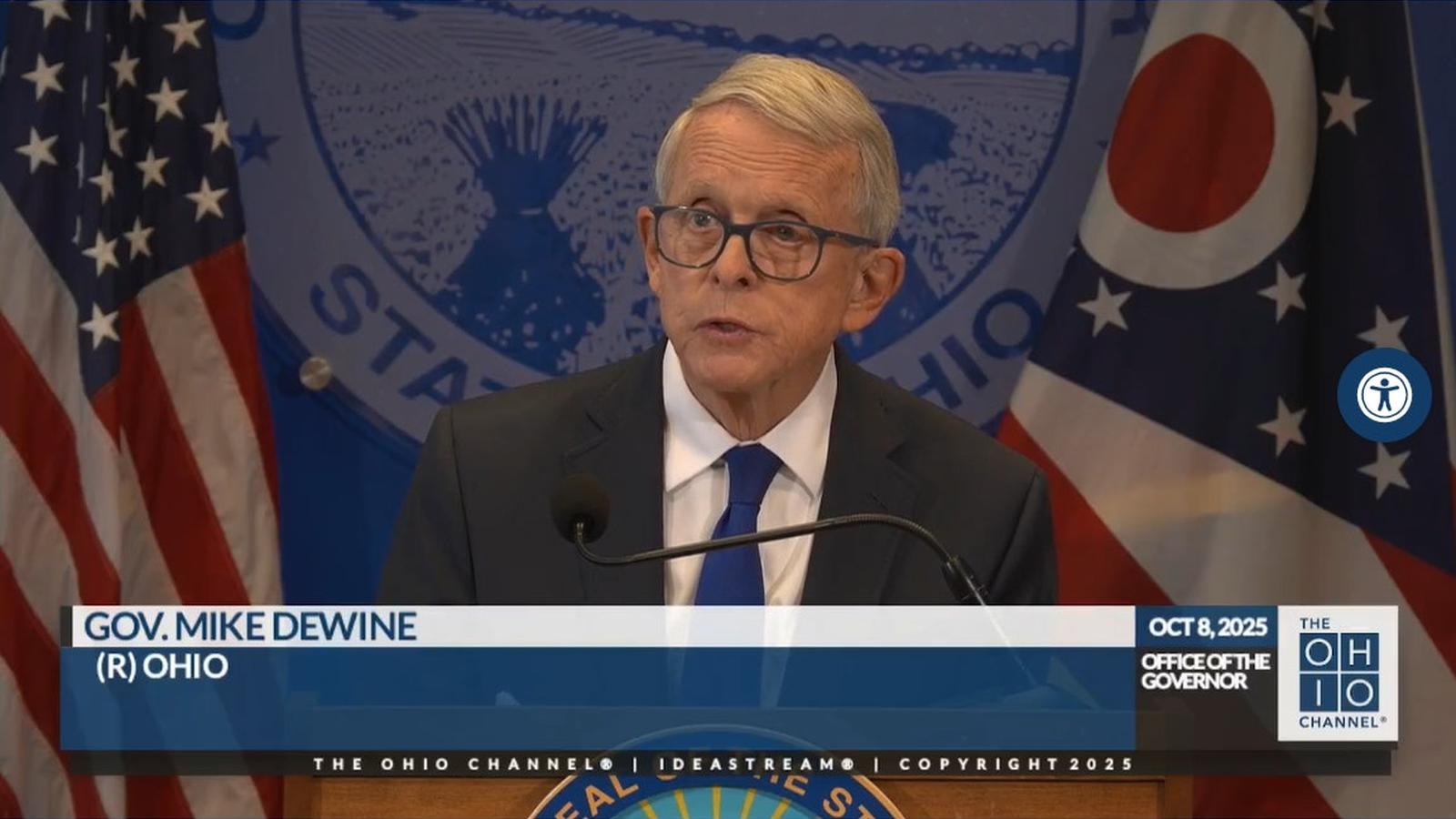
Ohio has taken a significant step in regulating the sale of intoxicating hemp products, as Governor Mike DeWine declared a state of emergency to address the pressing issue. The executive order, effective October 14, aims to temporarily halt the sale of hemp-derived cannabinoid products like Delta-8 THC, which are often synthesized and unregulated. The governor’s decision reflects growing concerns about public health risks, particularly for children, and the lack of comprehensive federal oversight on such products.
Understanding the Problem: Intoxicating Hemp Products
Intoxicating hemp products, often marketed under names like Delta-8 THC, have gained popularity in recent years. Unlike traditional hemp, which is non-intoxicating and contains less than 0.3% Delta-9 THC, these products are synthesized from CBD and offer psychoactive effects. They are sold in various forms, including gummies and beverages, and are frequently packaged to resemble popular candies, making them particularly appealing to children.
Despite their widespread availability in gas stations, smoke shops, and convenience stores, these products are largely unregulated. This has led to significant public health concerns, including a 52% increase in cases involving children aged 12 and under who were exposed to intoxicating cannabinoids, according to data from the Ohio Poison Centers. The absence of mandatory lab testing for potency, heavy metals, pesticides, and other harmful substances further exacerbates the risks associated with these products.
The Governor’s Executive Order
Governor DeWine’s executive order marks a decisive move to mitigate these risks. Effective for an initial period of 60 days, the order mandates the following actions for retailers:
- Removing intoxicating hemp products from public display.
- Halting the sale or offering of such products.
- Segregating these products from other merchandise for potential confiscation by law enforcement or state officials.
Retailers found in violation of this order may face fines of $500 per day. Additionally, state and local authorities have been empowered to seize intoxicating hemp products that remain on sale after the deadline. The order also grants the Ohio Department of Agriculture the authority to redefine “hemp” and “hemp products” in the state’s administrative code, effectively excluding intoxicating variants from the legal definition of hemp.
Public and Industry Reactions
The executive order has elicited mixed reactions. Advocates argue that the move is a necessary step to protect vulnerable populations, particularly children, from the dangers posed by unregulated intoxicating hemp products. Governor DeWine emphasized that the federal legalization of hemp under the 2018 Farm Bill was never intended to permit the creation and sale of such products. He noted, “When the decision was made to legalize hemp, it was never a thought that chemists would change this into intoxicating hemp, which is a totally different product.”
On the other hand, some business owners have expressed concerns about the economic impact of the ban. Jason Friedman, a hemp vendor in Cincinnati, highlighted the challenges posed by “bad apples” in the industry who sell low-quality products irresponsibly. Friedman stated his support for stricter regulations to ensure that only adults of the appropriate age can purchase these products.
Broader Implications and Future Outlook
Ohio’s decision to regulate intoxicating hemp products aligns with similar actions taken by other states, including California and Texas. These measures reflect a growing recognition of the need for comprehensive state-level regulations in the absence of federal oversight. The popularity of intoxicating hemp products surged following the 2018 Farm Bill, which legalized hemp as an agricultural commodity but left significant regulatory gaps.
Looking ahead, the executive order may pave the way for more robust legislative action in Ohio. Governor DeWine has tasked the Ohio Department of Agriculture with developing standards and procedures for the regulation of hemp cultivation and processing. This initiative aims to establish a safer and more transparent marketplace for hemp products in the state.
Ohio’s proactive approach to regulating intoxicating hemp products underscores the importance of safeguarding public health while addressing the regulatory gaps left by federal legislation. The state’s efforts serve as a model for other jurisdictions grappling with similar challenges, highlighting the need for balanced and effective policies in the rapidly evolving cannabis industry.