
Quick Read
- Olivia Dean became the first woman in UK chart history to achieve her first number one single and album in the same week.
- Female artists led UK music in 2025, accounting for two-thirds of number one singles.
- Olivia Dean and Lola Young broke into the US Billboard charts and are Grammy nominees.
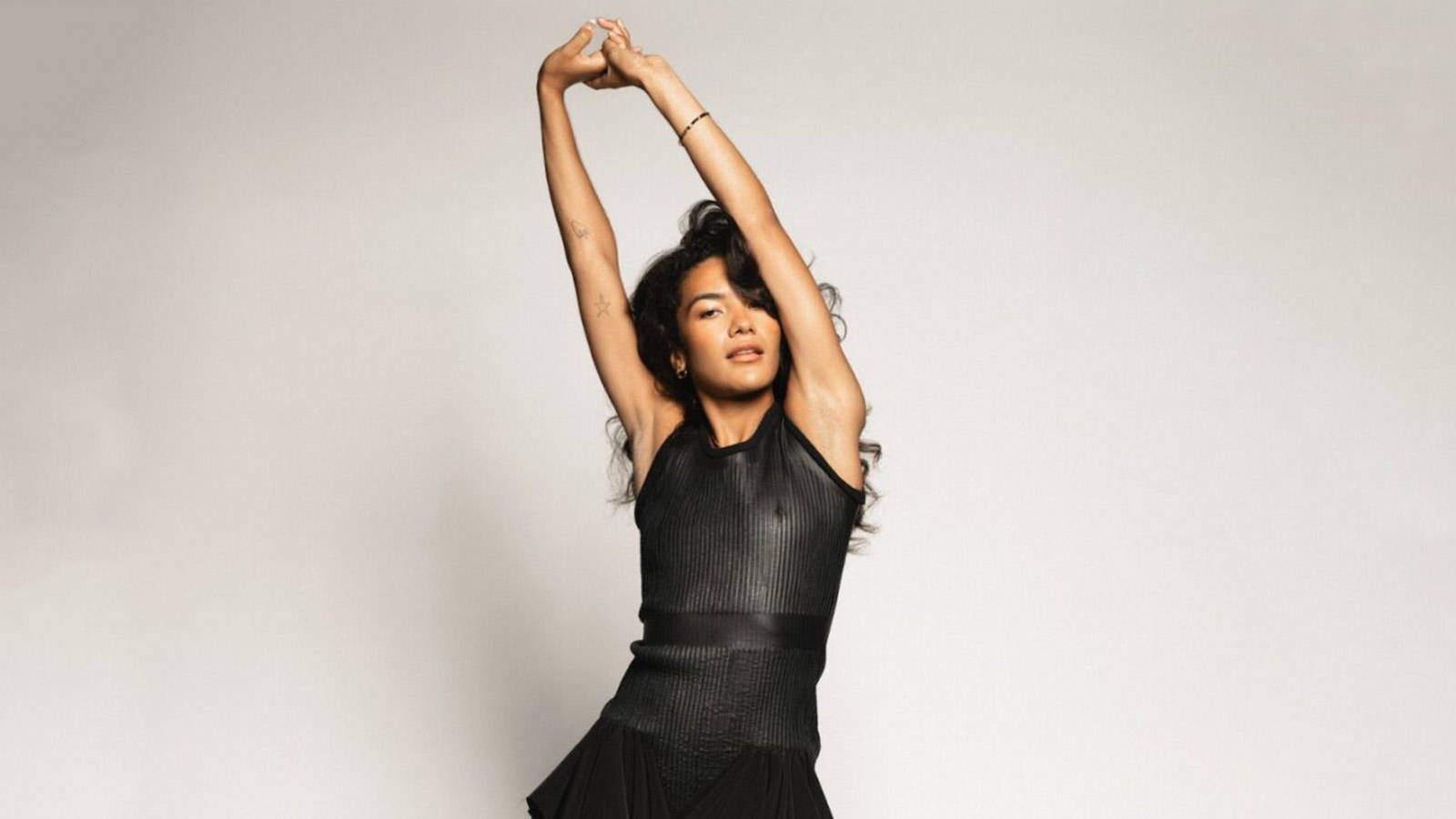
2025 was a year that rewrote the script for British music, with Olivia Dean at the forefront of a powerful surge led by female artists. The numbers tell a compelling story: women not only dominated the UK charts, but they redefined what success looks like in a rapidly evolving industry. Olivia Dean, a name now etched in British pop history, became the first woman ever to achieve her debut number one single and album in the same week—a feat that is as rare as it is symbolic of changing tides.
According to figures released by the British Phonographic Industry (BPI) and reported by BBC News, Dean’s single “Man I Need” and her album “The Art Of Loving” both climbed to the top spot simultaneously, an achievement that resonated far beyond the numbers. Her music, described by Dean herself as “a hug—comforting, warm and intimate,” struck a chord with listeners seeking solace amid turbulent times.
But Dean’s triumph wasn’t just personal. Her meteoric rise was part of a broader phenomenon: female artists accounted for two-thirds of all UK number one singles in 2025, as noted by Riviera Radio. New British talent like Lola Young, JADE, and confessional songwriters Skye Newman and Sienna Spiro brought a fresh sense of vulnerability and authenticity to the mainstream. Lola Young’s single “Messy” finished as the year’s second-biggest song, racking up 1.4 million chart sales, while JADE made headlines with the fastest-selling debut album.
These milestones weren’t isolated. Female solo acts and collaborations were responsible for 44% of tracks reaching the Official Singles Chart Top 10, according to Official Charts. In fact, eight of the year-end Top 10 tracks were by women, equalling a record not seen since 2011. The landscape, once dominated by established names, now welcomed a new generation—Olivia Dean and Lola Young even broke into the US Billboard charts and are nominated for best new artist at the upcoming Grammy Awards.
Behind the scenes, the industry itself was undergoing a transformation. Combined UK music sales rose nearly 5%, totaling 201 million albums sold or streamed. Streaming solidified its dominance, making up 89% of the market, with fans playing 210.3 billion songs over the year. Yet, vinyl sales soared for the eighteenth consecutive year, jumping 13% to 7.6 million units, and cassettes saw a surprising 53.8% increase. These shifts highlight a renewed appetite for physical formats, as well as nostalgia among listeners.
The resurgence wasn’t limited to female artists. Oasis, the legendary British band, enjoyed a blockbuster reunion tour and shifted more than one million albums in 2025. Their greatest hits compilation “Time Flies” and the classic “(What’s The Story) Morning Glory” both landed in the annual Top 10. But the heart of the story remained with the women—artists who used music as a vehicle for comfort, connection, and candid storytelling.
Dean’s approach, as she shared on the BBC’s Sidetracked podcast, was rooted in empathy: “I wanted it to feel just like a hug—comforting,” she explained. “I just said everything needs to feel warm and intimate.” This ethos mirrored the wider trend, as confessional lyricism and personal narratives drew fans seeking authenticity in a world increasingly saturated with content. It’s no wonder Dean capped off her year with four simultaneous Top 10 hits and a coveted appearance on Jools Holland’s Hootenanny.
As the music market becomes ever more crowded, with streaming opening the floodgates to every recorded song in history, the achievements of artists like Olivia Dean stand out. Dr Jo Twist, CEO of the BPI, put it succinctly: “The UK is still the second largest exporter of music globally, which is amazing, but we can’t be complacent because streaming has opened the floodgates to every bit of recorded music that’s ever been made.” The key, she said, is supporting the ecosystem that allows new talent to flourish.
Olivia Dean’s success is not just a personal milestone but a reflection of broader change—a year when British women redefined the meaning of chart domination, and the industry itself evolved in response. Her music, and that of her peers, provided comfort, connection, and a sense of hope, resonating with millions and setting the stage for a new era in British music.
Olivia Dean’s breakthrough year shows how authentic storytelling and emotional resonance can cut through the noise of a crowded market. In a world where streaming exposes listeners to endless choice, her warm, intimate approach offered a much-needed antidote—reminding us that genuine connection remains the heart of great music. The industry’s future will depend on nurturing such voices, ensuring that the next wave of artists can also find their place in history.