
Quick Read
- Once Upon a Farm priced its IPO at $18.00 per share on February 6, 2026.
- The organic children’s food company began trading on the NYSE under the ticker symbol “OFRM.”
- The offering included 10,997,209 shares, with 7.6 million from the company and 3.3 million from existing stockholders.
- Once Upon a Farm reported $225.87 million in revenue over the last 12 months but is not yet profitable.
- Proceeds from the IPO will be used for debt repayment, equipment purchases, and general corporate purposes.
BERKELEY, Calif. (Azat TV) – Once Upon a Farm, a prominent organic children’s food company, officially commenced trading on the New York Stock Exchange (NYSE) on Friday, February 6, 2026, after pricing its initial public offering (IPO) at $18.00 per share. The company’s shares are now listed under the ticker symbol “OFRM,” marking a significant milestone for the brand known for its cold-pressed pouches and other healthy children’s products.
The IPO involved a total offering of 10,997,209 shares of common stock. Of these, 7,631,537 shares were offered directly by Once Upon a Farm, while 3,365,672 shares were sold by existing stockholders. The offering is anticipated to officially close on February 9, 2026, contingent on standard closing conditions.
Once Upon a Farm: Financial Landscape and Market Debut
Once Upon a Farm plans to strategically utilize the net proceeds from its IPO. The company stated that funds will be directed towards repaying outstanding borrowings under its existing credit facility, acquiring new equipment to enhance its operational capabilities, making specific payments tied to the offering, and for general corporate purposes. As of the most recent quarter, the company reported $46.31 million in total debt.
Despite its public market entry, financial data from InvestingPro indicates that Once Upon a Farm is not yet profitable. The platform assigned the company a financial health score of WEAK (1.72 out of 5). However, the company has demonstrated robust revenue generation, posting $225.87 million in revenue over the last twelve months, coupled with a healthy gross profit margin of 41.75%. Despite this, it recorded a negative EBITDA of -$7.67 million during the same period.
Underwriting Syndicate for OFRM Shares
The successful execution of Once Upon a Farm’s IPO was facilitated by a substantial syndicate of financial institutions. Goldman Sachs & Co. LLC and J.P. Morgan served as joint lead bookrunning managers for the offering, spearheading the process.
Additional bookrunning managers included BofA Securities and William Blair. Barclays, Evercore ISI, Deutsche Bank Securities, Oppenheimer & Co., and TD Cowen also played key roles as bookrunners. Drexel Hamilton and Siebert Williams Shank were engaged as co-managers, further broadening the reach of the offering.
As part of the IPO agreement, Once Upon a Farm granted the underwriters a 30-day option to purchase up to an additional 1,649,581 shares of common stock at the initial offering price, minus underwriting discounts and commissions. The Securities and Exchange Commission (SEC) had declared the registration statement for these securities effective on January 30, 2026.
Once Upon a Farm’s Organic Product Line
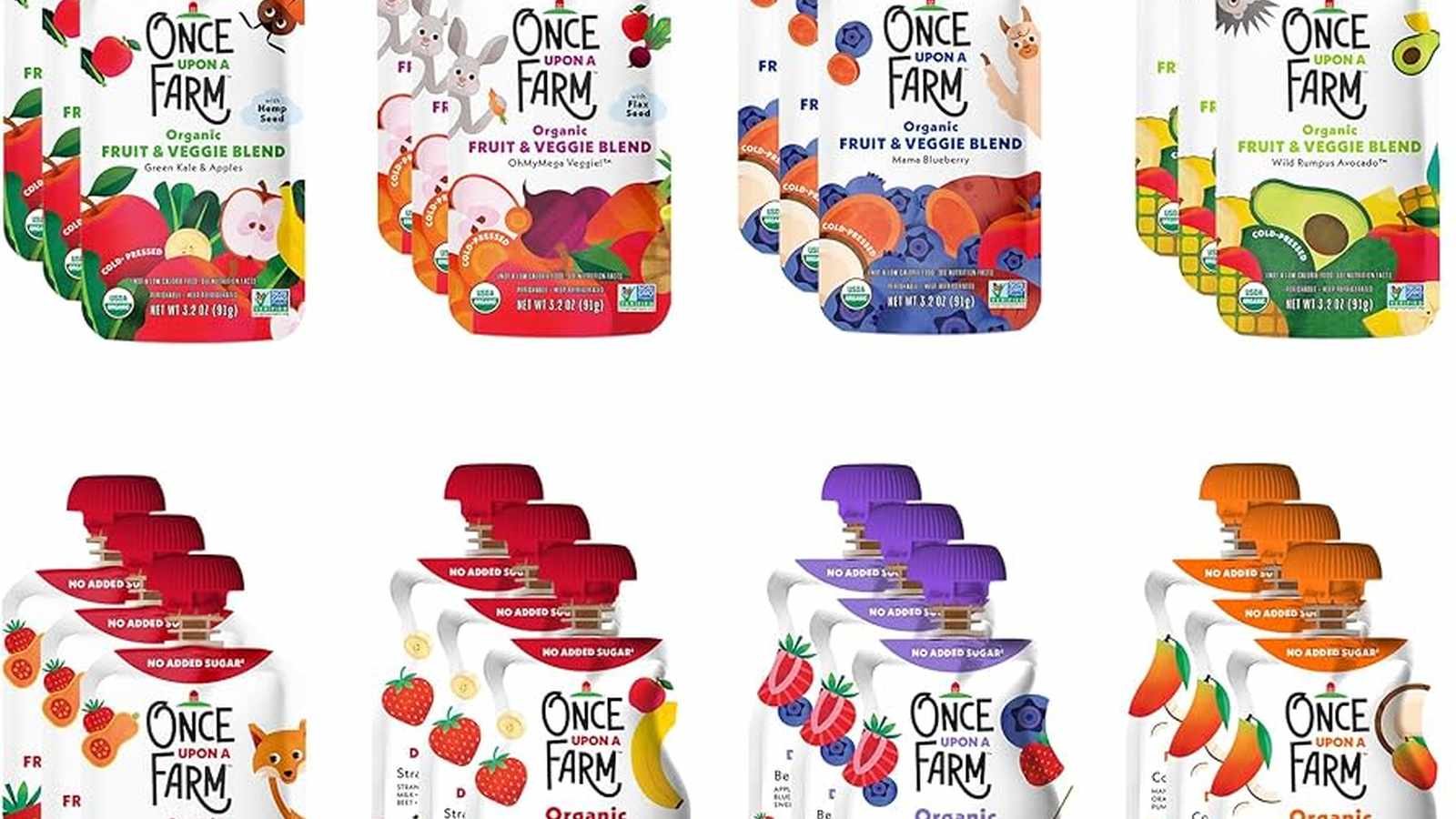
Once Upon a Farm has established its brand identity around a commitment to organic, wholesome children’s food. Its product portfolio includes a variety of offerings such as cold-pressed pouches, convenient frozen meals, nutritious refrigerated oat bars, and a selection of pantry snacks. According to the company’s press release, all its products are certified organic, non-GMO, contain no added sugar, and are free from artificial ingredients, aligning with growing consumer demand for healthier options in the children’s food market.
The company’s debut on the New York Stock Exchange underscores the increasing investor interest in the organic food sector, even as emerging companies navigate the path to profitability in a competitive market.