
Quick Read
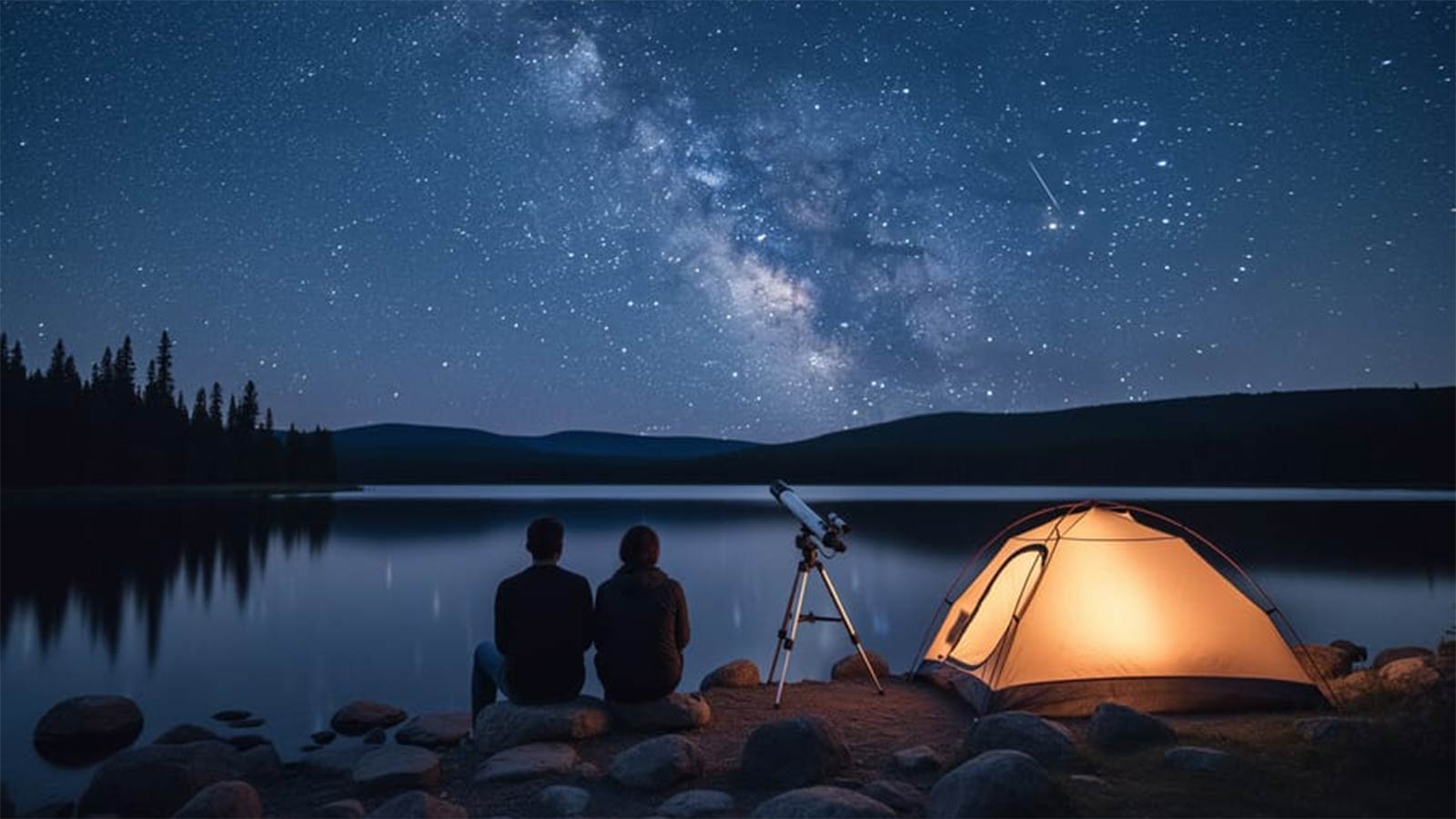
- Point Pelee National Park is a dark sky preserve, ideal for stargazing and observing events like the Perseid Meteor Shower.
- The park’s 1,000-hectare marsh is a Ramsar site, but faces decline in open water, prompting Parks Canada restoration efforts.
- Sault Ste. Marie is seeking proposals to redevelop the 28.7-acre Pointe des Chenes campground to meet growing demand.
- Ontario’s manufacturing-driven economic growth is increasing the popularity of provincial and national parks for summer vacations.
TORONTO (Azat TV) – Ontario’s provincial and national parks are experiencing a significant surge in popularity, becoming prime destinations for summer vacations as the province’s manufacturing sector continues to drive economic growth. This trend is fueling demand for outdoor recreation, with visitors seeking everything from ecological immersion to unique celestial experiences. Point Pelee National Park, located at Canada’s southernmost tip, exemplifies this appeal, offering vast wetlands and its renowned dark sky preserve status, while the City of Sault Ste. Marie is actively working to expand camping infrastructure to meet growing demand.
Point Pelee National Park, a mere three-and-a-half-hour drive from Toronto, stands out as one of Canada’s most ecologically diverse national parks. Two-thirds of its 1,000-hectare area is covered by a sprawling marsh, accessible via a scenic one-kilometre floating boardwalk. This wetland, recognized as a Ramsar site since 1987 for its international importance, is a haven for biodiversity, offering visitors a chance to observe diverse wildlife amidst cattail mats and lily pad blossoms, as confirmed by Parks Canada.
Point Pelee: A Haven for Nature and Night Sky Enthusiasts
Beyond its daytime natural wonders, Point Pelee’s designation as a dark sky preserve since 2006 makes it a premier location for night sky observation. Appointed by the Windsor Centre of the Royal Astronomical Society of Canada, this status ensures minimal light pollution, allowing millions of stars to be visible to the naked eye. This makes the park an ideal spot for observing celestial events, including the spectacular Perseid Meteor Shower that graces August nights, drawing an increasing number of visitors seeking unique ‘nightlife’ experiences in nature.
Despite its beauty, the marsh at Point Pelee faces ecological challenges, primarily the decline in open water habitats. Parks Canada has noted a 10 percent reduction in open water since the 1950s, equivalent to 100 hectares. In response, staff are implementing restoration efforts, including managing invasive species and creating approximately eight hectares of new ponds and channels, aiming to restore the diversity of open water and edge-water habitats. Visitors can still enjoy the park’s seven hiking trails, including the Woodland Nature Trail and the Tilden Woods Trail, or relax on its 20-kilometre continuous natural beach during warmer months.
Sault Ste. Marie Expands Camping Amid Surging Demand
The growing appeal of outdoor recreation across Ontario is also prompting efforts to enhance camping facilities. The City of Sault Ste. Marie has issued a Request for Proposals (RFP) to redevelop 28.7 acres of the former Pointe des Chenes campground. Brent Lamming, Deputy CAO of Community Development and Enterprise Services, stated that the City is seeking innovative proposals to lease and develop the site, aiming to enhance public access and complement the adjacent day park. This initiative, with an extended three-month submission period, reflects the city’s commitment to meeting the increasing demand for camping and outdoor accommodation driven by Ontario’s robust economy.
The redevelopment plans for the Pointe des Chenes campground underscore a broader trend across Ontario’s parks system: adapting to and facilitating the province’s growing tourism sector. As more residents and visitors seek affordable and engaging summer vacation options, investments in both preserving natural beauty and upgrading recreational infrastructure become critical. Point Pelee National Park, with its unique blend of ecological richness and celestial viewing opportunities, along with strategic campground developments like those in Sault Ste. Marie, are positioning Ontario as a leading destination for nature-based tourism.
The strategic focus on enhancing visitor experiences, from pristine natural landscapes to dark sky preserves, coupled with the expansion of camping infrastructure, highlights Ontario’s proactive approach to capitalizing on its strong economic growth by diversifying its tourism offerings and catering to a wide array of outdoor enthusiasts.