

Quick Read
- OpenAI launches Codex, an AI coding tool for developers.
- Codex can write code, fix bugs, and run tests autonomously.
- Available for ChatGPT Pro, Enterprise, and Team users.
- Operates in a secure, cloud-based sandbox environment.
- Plans to expand access to ChatGPT Plus and Edu users soon.
OpenAI Introduces Codex: A New Era for Developers
OpenAI has unveiled Codex, its latest AI-powered tool designed to revolutionize software development. Announced on Friday, Codex is a cloud-based AI coding agent that can autonomously handle tasks such as writing code, fixing bugs, and running tests. This tool is now available to ChatGPT Pro, Enterprise, and Team users, with plans to expand access to ChatGPT Plus and Edu users in the near future.
What Makes Codex Unique?
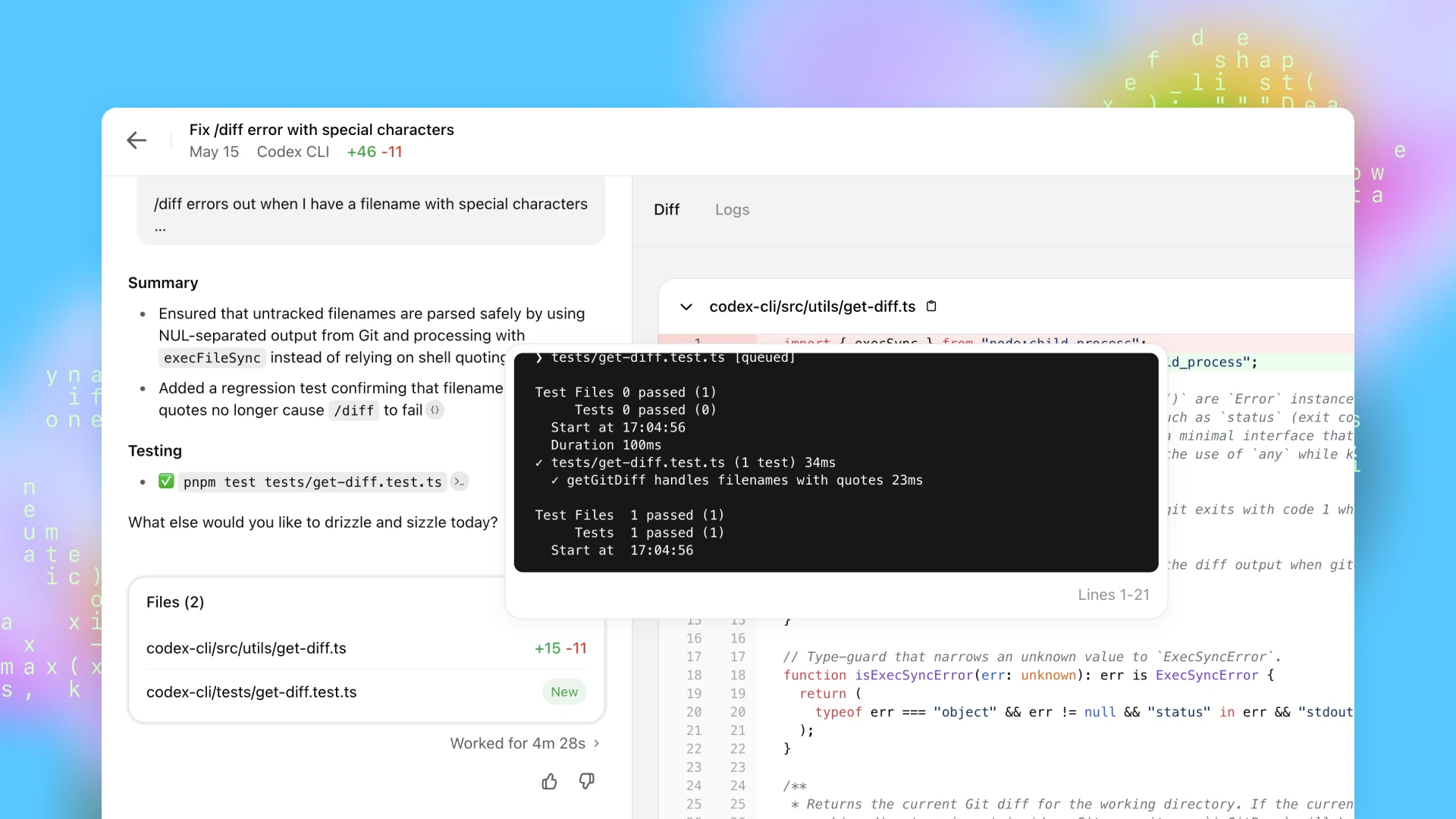
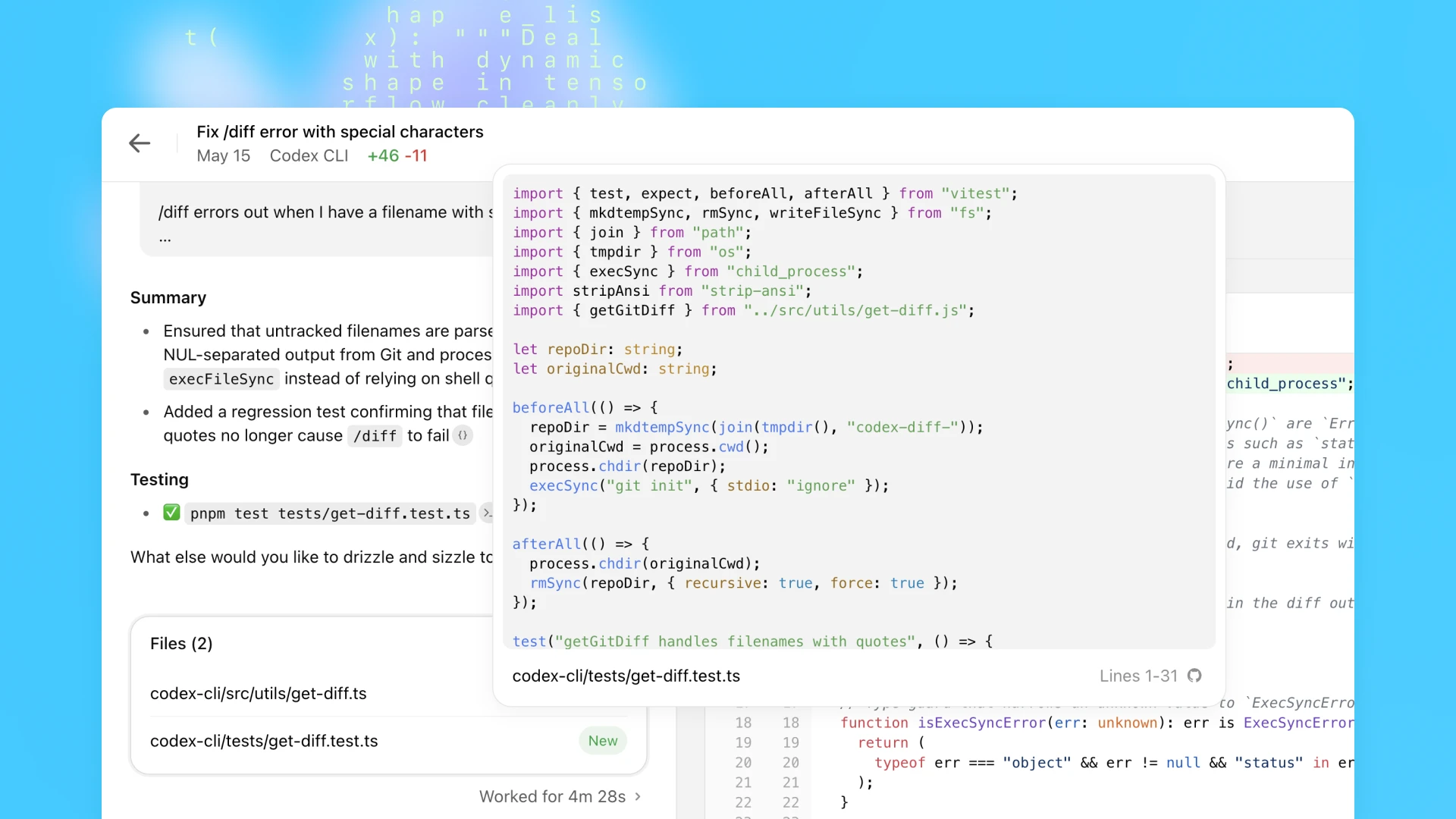
Codex is powered by codex-1, a version of OpenAI’s o3 AI reasoning model optimized for software engineering tasks. According to OpenAI, codex-1 produces cleaner code, adheres more precisely to instructions, and iteratively tests its outputs until passing results are achieved. According to OpenAI, Codex operates in a sandboxed, virtual computer in the cloud, ensuring a secure environment for developers. By integrating with GitHub, Codex can access users’ code repositories, making it a seamless addition to existing workflows.
 Key Features of Codex
Codex offers several features that set it apart from traditional coding tools. It can handle multiple tasks simultaneously, such as writing features, fixing bugs, and answering codebase-specific questions. Users can assign tasks to Codex by typing prompts in ChatGPT’s sidebar and monitoring progress in real-time. OpenAI claims that Codex can complete tasks that would take human engineers hours or even days, significantly boosting productivity.
Security and Practical Applications
One of the standout aspects of Codex is its security. The tool operates in an air-gapped environment, meaning it has no access to the broader internet or external APIs. This design minimizes the risk of misuse while ensuring secure operation. OpenAI has also implemented safeguards to prevent Codex from developing malicious software. Early adopters like Cisco, Temporal, and Kodiak are already evaluating Codex for tasks such as debugging, test writing, and improving code reliability.
OpenAI’s Vision for the Future
OpenAI envisions Codex as more than just a coding tool. Josh Tobin, OpenAI’s Agents Research Lead, described the company’s goal of creating AI systems that act as “virtual teammates,” capable of handling substantial work autonomously. This vision aligns with OpenAI’s broader strategy of integrating AI into various aspects of professional life, from software development to research and beyond.
Competition in the AI Coding Space
The launch of Codex comes amid growing competition in the AI coding tools market. Companies like Google, Microsoft, and Anthropic have already released their own AI coding assistants, such as Gemini Code Assist and Claude Code. OpenAI’s entry into this space signals its commitment to building advanced AI tools rather than relying on acquisitions. While rumors of OpenAI acquiring Windsurf persist, the release of Codex suggests the company is focused on developing its own solutions.
 Pricing and Accessibility
During the initial rollout, Codex is free to use for ChatGPT Pro, Enterprise, and Team users, with “generous access” provided. However, OpenAI plans to implement rate limits and introduce on-demand pricing options in the coming weeks. The company is also updating Codex CLI, its open-source terminal agent, with a new model optimized for low-latency editing and Q&A.
OpenAI’s launch of Codex marks a significant step forward in AI-assisted software development. By automating repetitive tasks and enhancing productivity, Codex has the potential to transform how developers work, paving the way for a new era of AI-driven innovation.
Source: OpenAI, Techcrunch, Venturebeat, Timesofindia,