
Quick Read
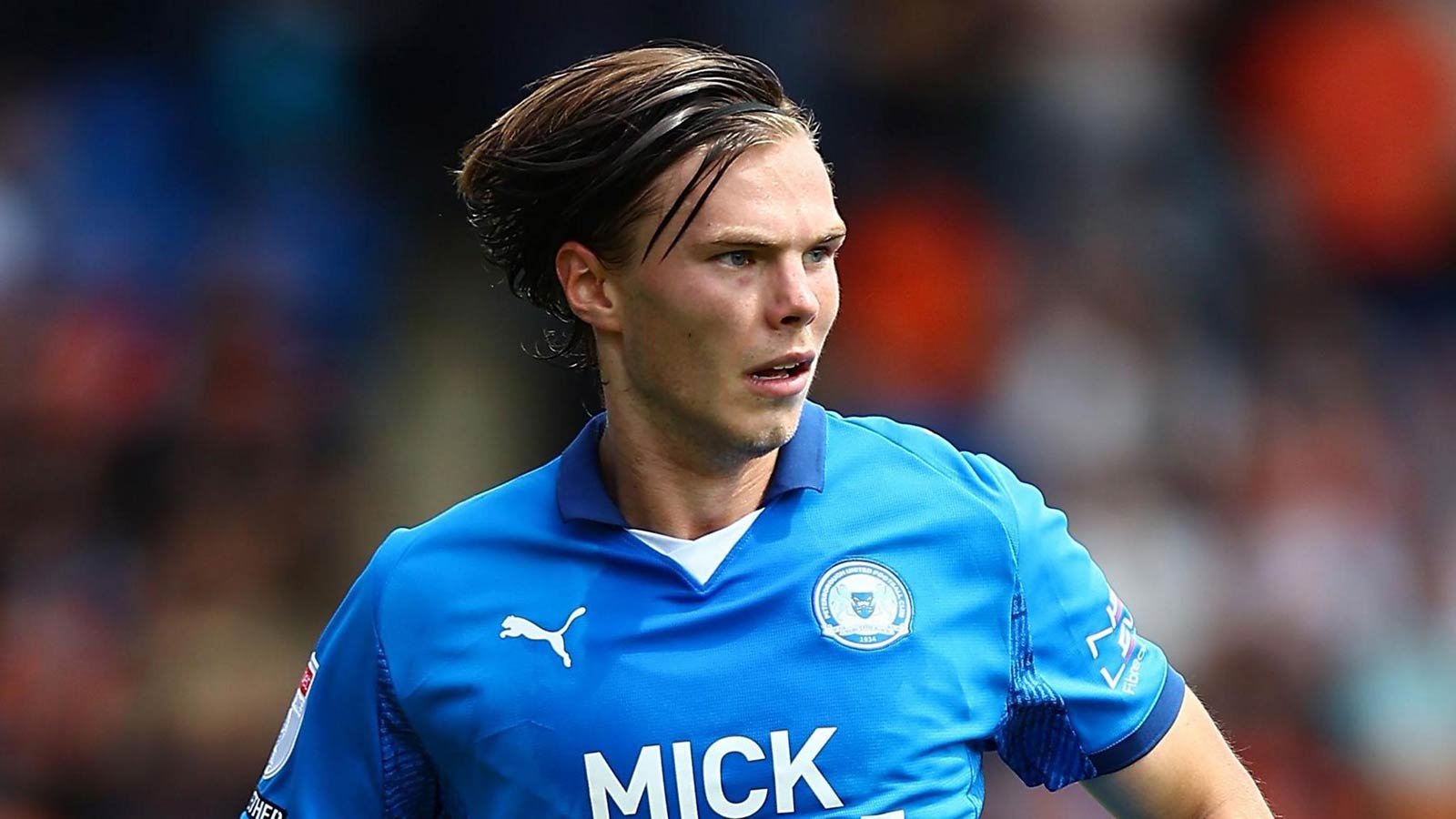
- Oscar Wallin, Swedish centre-back, retired from professional football at age 24.
- He played 45 games for Peterborough United, starring in their 2025 Wembley win.
- Wallin cited a loss of desire for the game and a wish to focus on other life pursuits.
- His contract with Peterborough was terminated by mutual consent in October 2025.
- He may pursue a career in banking, leveraging his economics degree.
Oscar Wallin’s Unexpected Goodbye: From Wembley Glory to Early Retirement
Peterborough’s Swedish Star Steps Away from the Game
Inside the Decision: Sacrifices, Studies, and Life Beyond Football
A Wembley Winner’s Lasting Legacy
When Oscar Wallin signed for Peterborough United in July 2024, there was a quiet sense of promise. A centre-back arriving from Sweden’s Degerfors IF, Wallin brought not just defensive solidity but a calmness that belied his years. In the months that followed, he would go on to make 45 appearances for the club. But it was at Wembley, under the arch and in the spotlight, that Wallin truly made his mark. The 2025 Vertu Trophy Final against Birmingham City saw him put in a commanding performance, helping Posh to a 2-0 victory and writing his name into the club’s recent history.
Yet, less than a year after that crowning achievement, Wallin has walked away from professional football altogether. At just 24, he’s chosen to close the chapter on a career that, by all appearances, was just getting started. The decision, confirmed in the Swedish daily Sundsvalls Tidning, has surprised many in both England and Sweden. But for Wallin, it seems the choice was a long time coming.
“I have no desire anymore,” Wallin told the Swedish press, his tone honest and unembellished. “Technically, I could take it up again, but I have no desire for it at the moment. I have no interest in playing in Sweden either. I feel I want to do things I have sacrificed or neglected over the last 15 years because I have played football, so yes I have now stopped playing.” (Peterborough Today, BBC Sport)
Wallin’s final appearance in a Peterborough shirt came in a 2-0 League One defeat at Wigan Athletic in August 2025. Shortly after, he approached manager Darren Ferguson and made his intentions clear: he wanted to return home and focus on his education, leaving the game behind. The club and player mutually agreed to terminate his contract, drawing a respectful line under his time at London Road.
His candor about his decision is striking in a world where footballers are often expected to push on for as long as possible, sometimes at the expense of their own happiness. “I’ve really never planned anything in football. I just took it as it came, but I’ve known for a long time that I wouldn’t play until I’m 35. Now I’ve stopped at 24, but it could just as well have been 27 or 22,” Wallin explained. The words hint at a thoughtful, reflective outlook—one not often associated with the high-stakes, high-pressure world of professional sports.
For Peterborough United, Wallin’s departure is the second such retirement from their Wembley-winning squad in quick succession. Goalkeeper Jed Steer, another hero of that famous day, also stepped away from the game this past summer, choosing a new path in the media industry at 32. For a club that so recently tasted glory, the rapid turnover is a reminder of how quickly football careers—and footballing squads—can change.
But for Wallin, the reasons for leaving are personal, and perhaps even universal. After dedicating 15 years to football—years that could have been spent exploring other interests, forging different relationships, or simply enjoying life outside the regimented world of professional sport—he’s decided to reclaim that time. It’s understood that Wallin, who holds a degree in economics, is considering a career in banking. The skills and discipline honed on the pitch may well serve him in the boardroom or beyond, but for now, he’s content to step away from the game entirely.
Wallin’s story is a reminder that, for every tale of relentless ambition and unbroken progress in football, there are quieter stories too—of players who choose to walk away, to say ‘enough,’ and to carve out a different life for themselves. The reasons may not always make headlines, but they are no less real, and no less deserving of respect.
For Peterborough fans, Wallin’s legacy will always include that day at Wembley: a determined defender at the heart of a famous victory. For Wallin himself, the future is unwritten, but it’s his to shape—and that, perhaps, is the greatest win of all.
Oscar Wallin’s early retirement is a testament to the personal nature of ambition and fulfillment in professional sport. His decision, grounded in self-awareness and a desire for balance, challenges the notion that sporting success can only be measured by longevity or trophies. Sometimes, the bravest move is simply knowing when to step away.