
Quick Read
- Trump ended all trade negotiations with Canada following Ontario’s Reagan-themed anti-tariff ad aired in the US.
- The Reagan Foundation claims Ontario edited and misrepresented Reagan’s original speech without permission.
- Trump accused Canada of trying to influence US courts ahead of a Supreme Court decision on tariffs.
- Constitutional debates have flared over Trump’s push for federal compensation while in office.
- US-Canada relations are at a historic low, jeopardizing $900+ billion in annual trade.
Oval Office Discord: Reagan’s Words Stir a Trade Storm
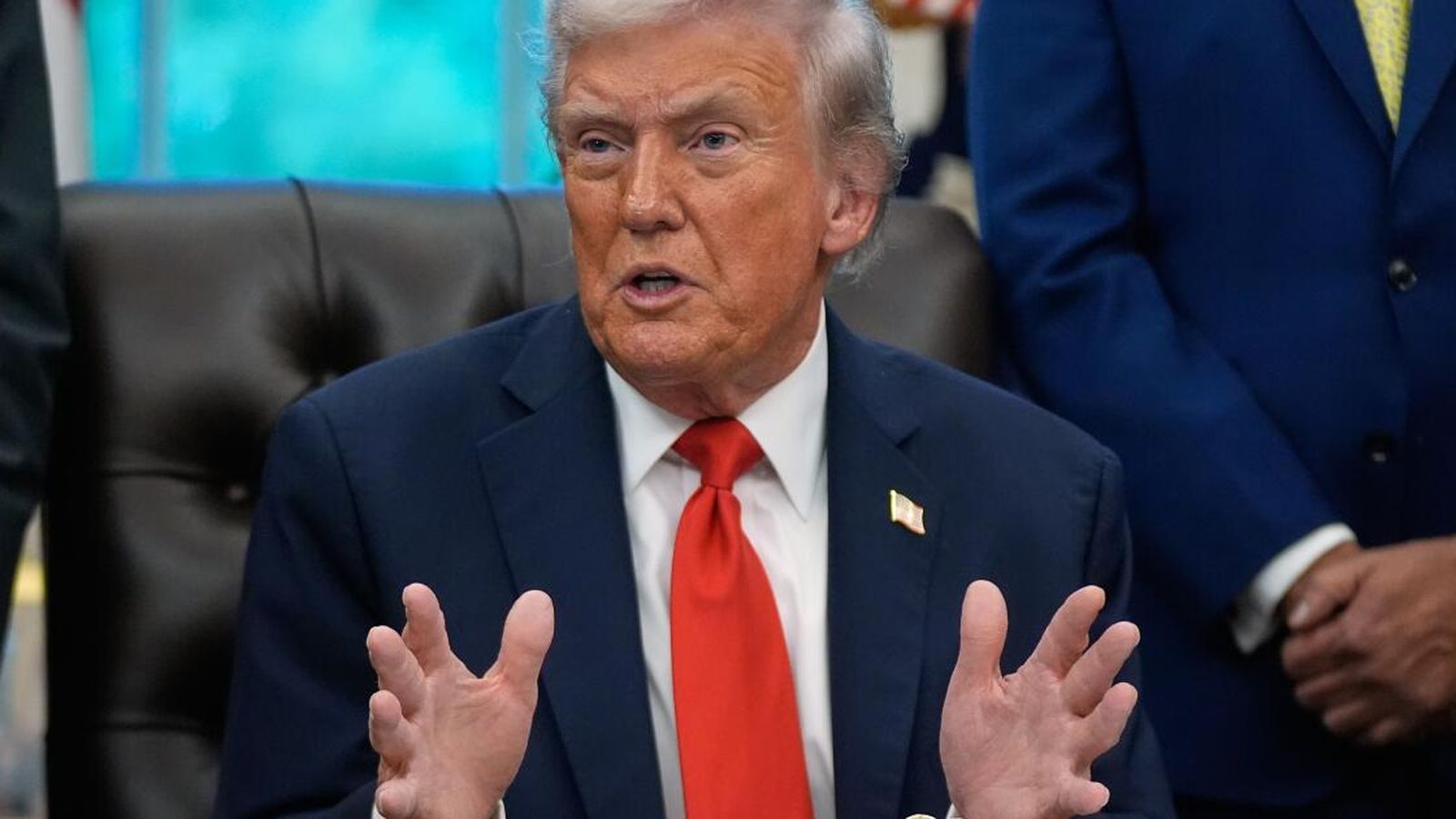
On an unassuming Thursday evening, the Oval Office became the epicenter of a fresh diplomatic rift as President Donald Trump declared the abrupt end of trade negotiations with Canada. The catalyst: a minute-long advertisement aired in the United States by Ontario, Canada’s largest province, featuring former US President Ronald Reagan speaking against tariffs. The ad, intended to sway American opinion on trade policy, instead triggered a fierce backlash from Trump and ignited constitutional debates inside the White House.
The Advertisement That Sparked an International Incident
Ontario Premier Doug Ford, a self-described Reagan admirer, announced a $54 million campaign to broadcast anti-tariff messages across major US channels, including Bloomberg and Fox News. The ad, posted on Ford’s social media, showcases Reagan’s 1987 remarks about the dangers of protectionist trade policies, patched together over stirring visuals of the New York Stock Exchange and US-Canadian industry. Reagan’s voice intones, “When someone says, ‘Let’s impose tariffs on foreign imports,’ it looks like they’re doing the patriotic thing… but only for a short time. Over the long run, such trade barriers hurt every American, worker and consumer.”
But the ad didn’t just quote Reagan—it edited his speech, splicing together remarks from different sections to amplify its message. The Ronald Reagan Presidential Foundation & Institute swiftly condemned the ad, stating that Ontario had neither sought permission nor accurately represented the $1’s address. “The ad misrepresents the Presidential Radio Address,” the Foundation wrote, signaling it was reviewing legal options. Al Jazeera’s analysis confirmed that while the ad’s thrust matched Reagan’s original warning, the sequencing had been rearranged for effect.
Trump’s Reaction: Trade Talks Terminated, Constitutional Storm Brewing
President Trump, already locked in a contentious tariff battle with Canada, seized on the controversy. In a post on Truth Social, he called the ad “fake” and accused Canada of trying to influence US courts ahead of a crucial Supreme Court ruling on his global tariff regime. “Based on their egregious behavior, ALL TRADE NEGOTIATIONS WITH CANADA ARE HEREBY TERMINATED,” Trump wrote.
The timing was no accident. US-Canada trade talks had dragged on for months, straining under Trump’s escalating tariffs—first 25 percent, then 35 percent, with Canada’s steel and aluminum sectors bearing the brunt. Trump justified the hikes by citing concerns over fentanyl trafficking, a claim Canadian officials dispute with data showing negligible volumes crossing the northern border.
Behind the scenes, constitutional questions simmered. As reported by the Los Angeles Times, Trump’s Oval Office moves have raised eyebrows, including his controversial push for compensation from the federal government for prior Justice Department investigations. Critics argue that seeking additional payments, even for legal defense, violates the US Constitution’s prohibition on extra emoluments during a president’s term. “It clearly states that other than his salary, Trump should not be paid anything else by the U.S. government while in office,” one letter to the editor notes. The broader implication: the Oval Office is not just a stage for policy disputes, but a battleground for ethical and legal norms.
The Fallout: US-Canada Relations at a Crossroads
Ontario’s anti-tariff campaign, intended to pressure Washington, instead deepened the chill between the two allies. Canadian Prime Minister Mark Carney and Premier Ford have remained silent on Trump’s announcement, but analysts warn the damage could be lasting. Ian Lesser, a fellow at the German Marshall Fund, told Al Jazeera, “The US-Canada relationship is enormously important… The current friction and highly negative atmosphere is unprecedented for a relationship of such structural importance.”
Trade tensions aren’t new. Earlier, Canada’s Digital Services Tax on US firms provoked another round of threats from Trump, who called it “a direct and blatant attack.” Only after Canada rescinded the tax did negotiations resume, highlighting the precarious state of cross-border diplomacy. With more than 77 percent of Canada’s exports destined for the US, and bilateral trade totaling over $909 billion last year, the stakes could hardly be higher.
What’s Next for the Oval Office and Beyond?
As the Supreme Court prepares to rule on the legality of Trump’s tariffs, the Oval Office remains a flashpoint for both economic and constitutional drama. If the court strikes down Trump’s authority, US companies may be entitled to billions in refunds. Meanwhile, the Reagan ad controversy has spilled over into domestic politics, fueling negative Canadian public opinion toward the US and complicating efforts to reach any new agreement.
For Trump, the Oval Office is more than a symbol—it’s a command center for personal and political battles. Whether negotiating trade or defending presidential prerogatives, every move is scrutinized for both its legal and diplomatic implications. In this climate, even a single edited advertisement can escalate into a major international incident, exposing the fragile underpinnings of North America’s most important partnership.
Ultimately, the Oval Office’s turmoil over the Reagan advertisement and Trump’s retaliatory stance signals a dramatic shift in US-Canada relations, where personal politics and constitutional boundaries increasingly dictate the fate of billion-dollar trade and the integrity of executive power.