
Quick Read
- Indiana Pacers rookie Kam Jones was arrested on Monday morning after a brief police chase on I-65 in Indianapolis.
- Jones faces charges of misdemeanor reckless driving and felony resisting law enforcement.
- He was running late for practice and claimed not to realize he was speeding.
- Jones was drafted 38th overall in 2025 and has yet to play due to a back injury.
- The Pacers acknowledged the arrest and are gathering information, with Jones’s court hearing set for opening night.
Kam Jones Arrested After High-Speed Chase: What Happened?
On a brisk Monday morning in Indianapolis, the usual hum of city traffic on Interstate 65 was interrupted by flashing police lights and the roar of a Cadillac speeding well above the posted limit. Inside the car was Kameron “Kam” Jones, a rookie guard for the Indiana Pacers, who found himself at the center of a legal and public relations storm just days before the NBA season’s opening night.
According to Fox59, the incident began around 9:45 a.m. when an Indiana State Trooper clocked a black Cadillac moving at 90 miles per hour in a 50 mph zone. The vehicle, driven by Jones, was seen weaving rapidly between lanes without signaling, tailgating other cars, and generally displaying what police described as “erratic driving.” When the trooper activated his lights and sirens, Jones did not immediately pull over. Instead, he continued onto I-65 southbound, eventually stopping on the exit ramp to Fletcher Avenue near Fountain Square.
The chase, brief but tense, ended with Jones being removed from his vehicle, double-locked in handcuffs, and read his Miranda rights. Court documents reveal Jones told officers he was unaware of his speeding and claimed he was simply running late for Pacers practice. He also stated that he saw the trooper’s turn signal but did not realize he was meant to stop.
Charges, Team Response, and Legal Implications
Jones was booked into the Marion County Jail on charges of misdemeanor reckless driving and felony resisting law enforcement. If convicted of the latter, Jones could face up to two and a half years in jail and fines reaching $10,000, as outlined by Indiana law (Fox59). As of Monday afternoon, he remained in custody at the Marion County Adult Processing Center, with no bond set.
In response to inquiries, the Pacers released a terse statement: “We are aware of the situation involving Kam Jones. We are in the process of gathering additional information and will not have any additional comment on the matter at this time.” The team’s measured response reflects the uncertainty swirling around Jones’s status, particularly given that opening night is imminent and the Pacers are facing injuries among their point guards (Fieldhouse Files).
Jones’s court hearing is scheduled for Thursday morning, coinciding with the Pacers’ first game of the season against the Oklahoma City Thunder. The team’s front office must finalize its roster by 5 p.m. that day, further complicating the situation as they weigh options for short-term replacements due to multiple injuries.
Kam Jones: Background and Current Status
Kam Jones, 23, was drafted 38th overall in June by the San Antonio Spurs and subsequently traded to Indiana. The Pacers signed him to a four-year contract worth $8.7 million in early July. Jones, a standout guard from Marquette University, has yet to make his NBA debut, sidelined by a lingering back injury. He was expected to play for the Pacers’ G-League affiliate, the Noblesville Boom, until he recovered.
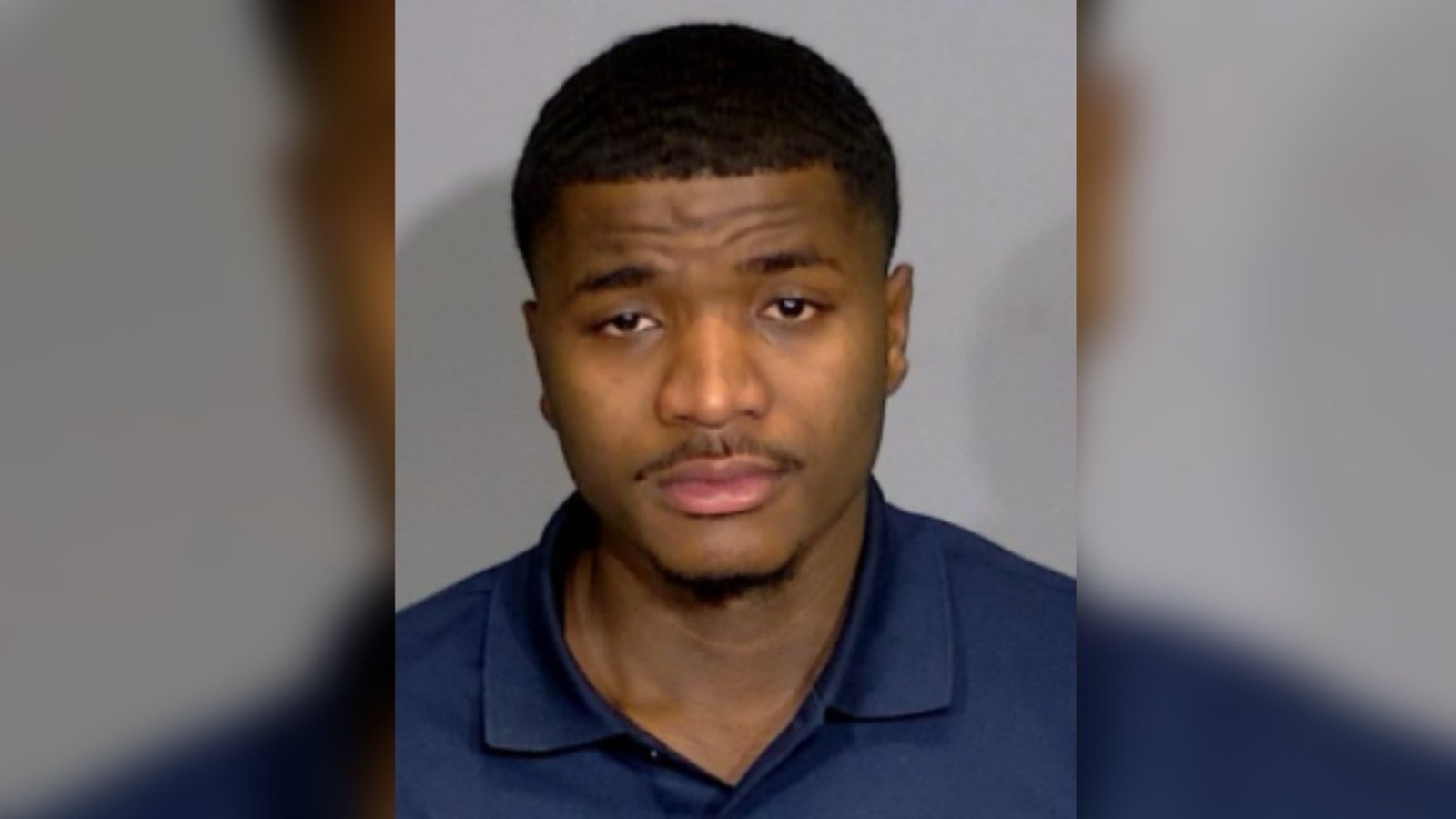
Despite his absence from the main roster, Jones’s arrest has thrust him into the spotlight—though not for the reasons he or the team would have hoped. The booking photo circulating online reportedly shows Jones still wearing a navy Lacoste polo, part of his Halloween party attire from the previous night (Fieldhouse Files).
Community and League Reaction: What Comes Next?
The news of Jones’s arrest has rippled through the Pacers organization and the wider Indianapolis community. For a team already grappling with injuries and roster uncertainty, the timing could not be worse. The Pacers waived veteran guard Cam Payne just days before Jones’s arrest, and Delon Wright was released ten days prior, leaving the team thin at the guard position.
League officials and fans alike are watching closely to see how the Pacers handle the situation. While the team’s official statement was cautious, the incident raises questions about player conduct, support systems for young athletes, and the pressures they face transitioning to professional sports. Jones’s claim that he was unaware of his speeding and the pursuit suggests a level of distraction or stress not uncommon among rookies adjusting to NBA life.
Local media, including WTHR-13, have emphasized the brief nature of the chase and Jones’s cooperation once stopped. Still, the charges are serious, especially the felony count of resisting law enforcement, which carries significant legal consequences in Indiana.
The Human Side: Stress, Mistakes, and Professional Pressure
In the high-stakes world of professional basketball, the line between personal responsibility and overwhelming pressure is often razor-thin. Kam Jones, a young athlete on the brink of his NBA debut, found himself caught between the demands of his new career and the realities of a split-second decision on the road.
“Running late for practice” may sound trivial, but for a rookie trying to make an impression—especially one sidelined by injury—it can feel existential. Every minute counts, every missed opportunity weighs heavy. Jones’s actions, while dangerous and ill-advised, reflect a broader challenge faced by many athletes: balancing the expectations of coaches, fans, and teammates with the need to manage stress and maintain perspective.
As the Pacers, league officials, and legal system work through the consequences, Jones’s case serves as a reminder of the pressures young players face. The outcome of his hearing will not only affect his future with the team but may also set a precedent for how similar incidents are handled across the league.
Kam Jones’s arrest is a stark illustration of how quickly the spotlight of professional sports can shift from promise to crisis. The facts show a young athlete under pressure, making a costly mistake. As the legal process unfolds, the Pacers—and the league—must decide how to support players facing real-world challenges while upholding standards of safety and accountability. This moment demands not just discipline, but also empathy and thoughtful leadership.