
Quick Read
- The UK officially recognized Palestine as a state before the UN General Assembly.
- 147 out of 193 UN member states now recognize Palestine.
- Full UN membership for Palestine requires Security Council approval with no veto.
- Israel opposes recognition, citing security concerns; US maintains its stance against official recognition.
- The two-state solution remains central but hampered by disputed borders and settlements.
UK’s Formal Recognition: A Turning Point in Palestinian Statehood
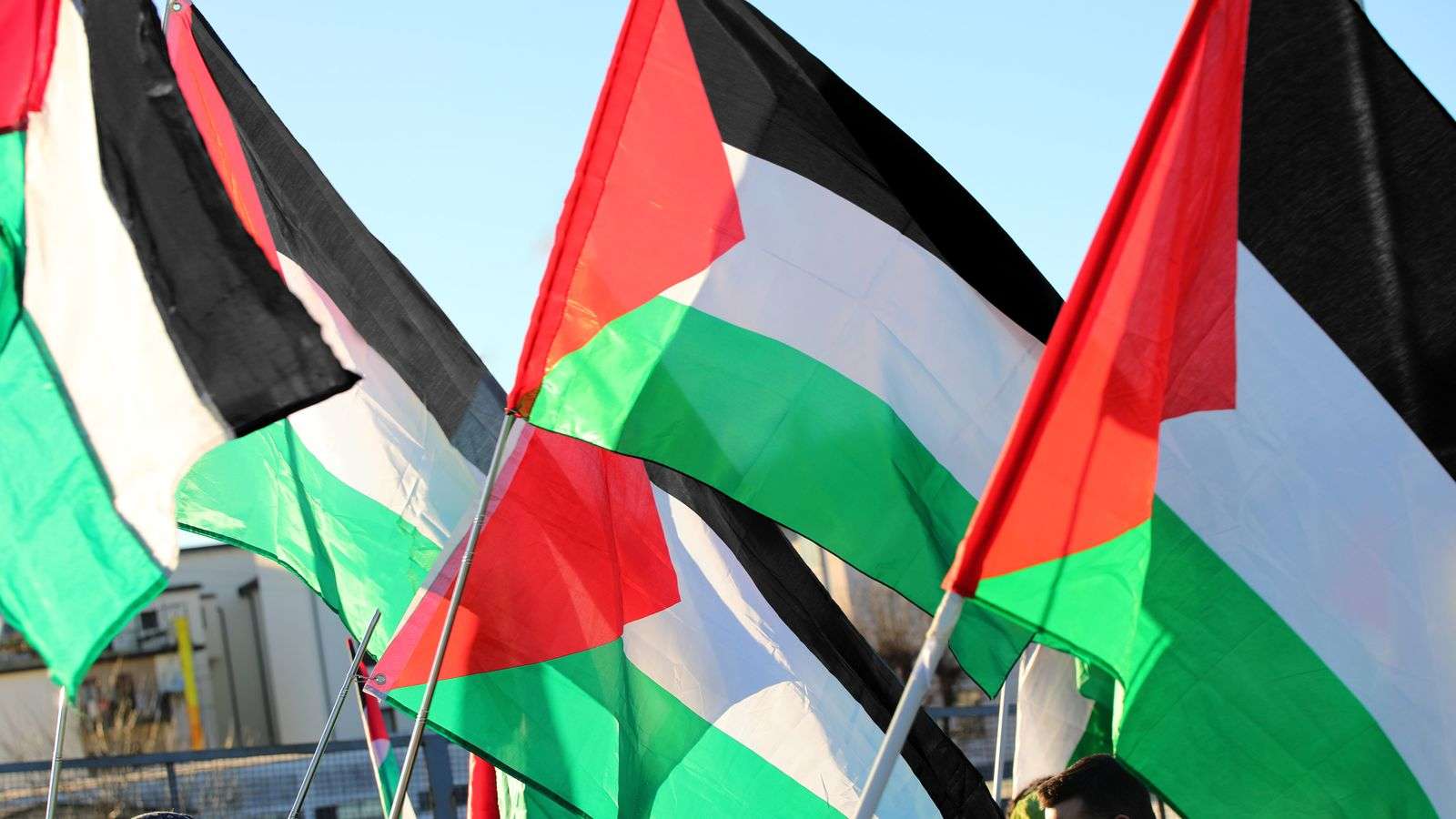
In a moment that has reverberated across diplomatic circles, the United Kingdom has formally recognized Palestine as a sovereign state—a move that marks a significant departure from its previous policy. This announcement, timed just before the United Nations General Assembly in New York, has injected new energy and urgency into the decades-old debate over Palestinian independence. While the UK’s Labour government signaled the intention months ago, the official declaration was postponed to avoid overshadowing Donald Trump’s state visit—a testament to the geopolitical sensitivity surrounding the issue.
The decision comes at a time of heightened tensions. Israeli military operations in Gaza have intensified, prompting international condemnation and calls for a ceasefire. British Foreign Secretary Yvette Cooper described the offensive as “utterly reckless and appalling,” underscoring the gravity of the situation. The UK’s recognition, therefore, is not just symbolic—it’s a deliberate response to unfolding events on the ground.
Criteria for Statehood and the Legal Debate
What, exactly, does it mean to recognize Palestine as a state? Under the Montevideo Convention of 1933—a cornerstone of international law—a state must have a permanent population, a defined territory, an effective government, and the capacity to enter into diplomatic relations. The Palestinian Authority (PA), led by Mahmoud Abbas, meets some of these criteria: it administers parts of the West Bank, issues passports, and oversees health and education. However, its authority remains constrained by Israeli control over borders, trade, and movement, and there are no Palestinian airports or fully autonomous infrastructure.
Legal opinions diverge sharply. Some British legal experts warned that recognition could breach the Montevideo Convention, now considered part of “customary law.” Others, like Professor Philippe Sands KC, argue that the International Court of Justice (ICJ) has affirmed Palestinians’ right to self-determination. This legal tug-of-war reflects broader international divisions on the issue, as noted by Reuters and The Guardian.
Symbolism Versus Substance: What Recognition Achieves
For decades, countries like China, India, Russia, and numerous Arab states have recognized Palestinian independence, often as a gesture of solidarity rather than a catalyst for change. The UK’s move, however, carries more weight due to its historical role in the region and its influence in global forums. Palestinian ambassador Husam Zomlot suggests that recognition could place Palestine on “equal footing,” potentially paving the way for strategic partnerships and concrete steps such as banning products from Israeli settlements in the occupied territories.
France, under President Emmanuel Macron, has linked recognition to reforms within the Palestinian Authority, arguing that a strengthened PA could better govern post-war Gaza. This interplay of symbolism and substance is at the heart of current debates: can diplomatic gestures translate into material improvements for Palestinians living under occupation?
The International Chessboard: Who Stands Where?
As of September 2025, 147 out of 193 United Nations member states recognize Palestine, including more than a dozen European countries such as Spain, Ireland, and Norway. Yet, recognition remains uneven. The PA enjoys permanent observer status at the UN but lacks full membership and voting rights—a limitation that curtails its ability to influence global decisions.
Full UN membership requires nine affirmative votes in the Security Council and no vetoes from the five permanent members: the UK, US, France, Russia, and China. In practice, US opposition has been a persistent roadblock. Just days before the UK’s announcement, Washington vetoed a Security Council resolution calling for a permanent ceasefire in Gaza, citing insufficient condemnation of Hamas.
Within the United States, the issue is politically divisive. While some Democratic senators have pushed for recognition, the measure faces stiff resistance from a Republican-controlled Senate and the White House. Former President Trump has openly disagreed with British Prime Minister Keir Starmer on the matter, highlighting the rift among Western allies.
Reactions from Both Sides: Hope and Hostility
The Palestinian leadership has welcomed the UK’s decision, with Mahmoud Abbas expressing “thanks and appreciation.” For Palestinians, every new recognition is a step toward legitimacy and hope for self-determination. But for Israel, the move is deeply contentious. Prime Minister Benjamin Netanyahu has condemned recognition as a “launch pad to annihilate Israel,” vowing never to relinquish security control over Gaza or the West Bank. Israeli officials argue that recognizing Palestinian statehood rewards militants and undermines efforts to secure a ceasefire and release hostages.
The emotional toll of the conflict is evident on the ground. Images from Gaza show families gathering at charity kitchens and children suffering from malnutrition—a stark reminder of the human stakes involved. Yet, the path to peace remains fraught with obstacles, as decades of mistrust and violence have hardened positions on both sides.
The Two-State Solution: A Fragile Framework
At the heart of these diplomatic maneuvers is the elusive two-state solution: the idea that Israelis and Palestinians can coexist in neighboring, sovereign states. Earlier this month, the UN General Assembly overwhelmingly endorsed a declaration urging “tangible, time bound, and irreversible steps” toward this goal. The resolution condemned violence by both Hamas and the Israeli military, but Israel and the US were among the minority voting against it.
The borders of a potential Palestinian state remain a major stumbling block. Most international actors support the pre-1967 lines, but Israeli settlements in the West Bank and East Jerusalem—now home to around 600,000 Israelis—complicate any territorial compromise. Without agreement on borders, the vision of two states risks remaining a distant dream.
Looking Ahead: Diplomatic Momentum and Political Reality
The UK’s recognition of Palestine is more than a diplomatic gesture—it’s a statement of intent at a pivotal moment. With the annual UN General Assembly set to focus on Gaza and the broader Israeli-Palestinian conflict, global leaders face renewed pressure to act. The interplay of law, politics, and public opinion will determine whether symbolic acts translate into substantive change.
As world powers navigate a landscape marked by competing interests and historical grievances, the question persists: can international recognition spur real progress, or will it merely reinforce existing divisions? For now, Palestinian statehood remains both a rallying cry and a diplomatic puzzle—one that continues to shape the contours of Middle Eastern geopolitics.
While diplomatic recognition by influential countries like the UK adds momentum to the Palestinian quest for statehood, the path to full sovereignty is entangled in legal, political, and territorial complexities. Only coordinated global pressure, coupled with genuine reform and compromise, can bridge the gap between symbolic gestures and lasting peace.