


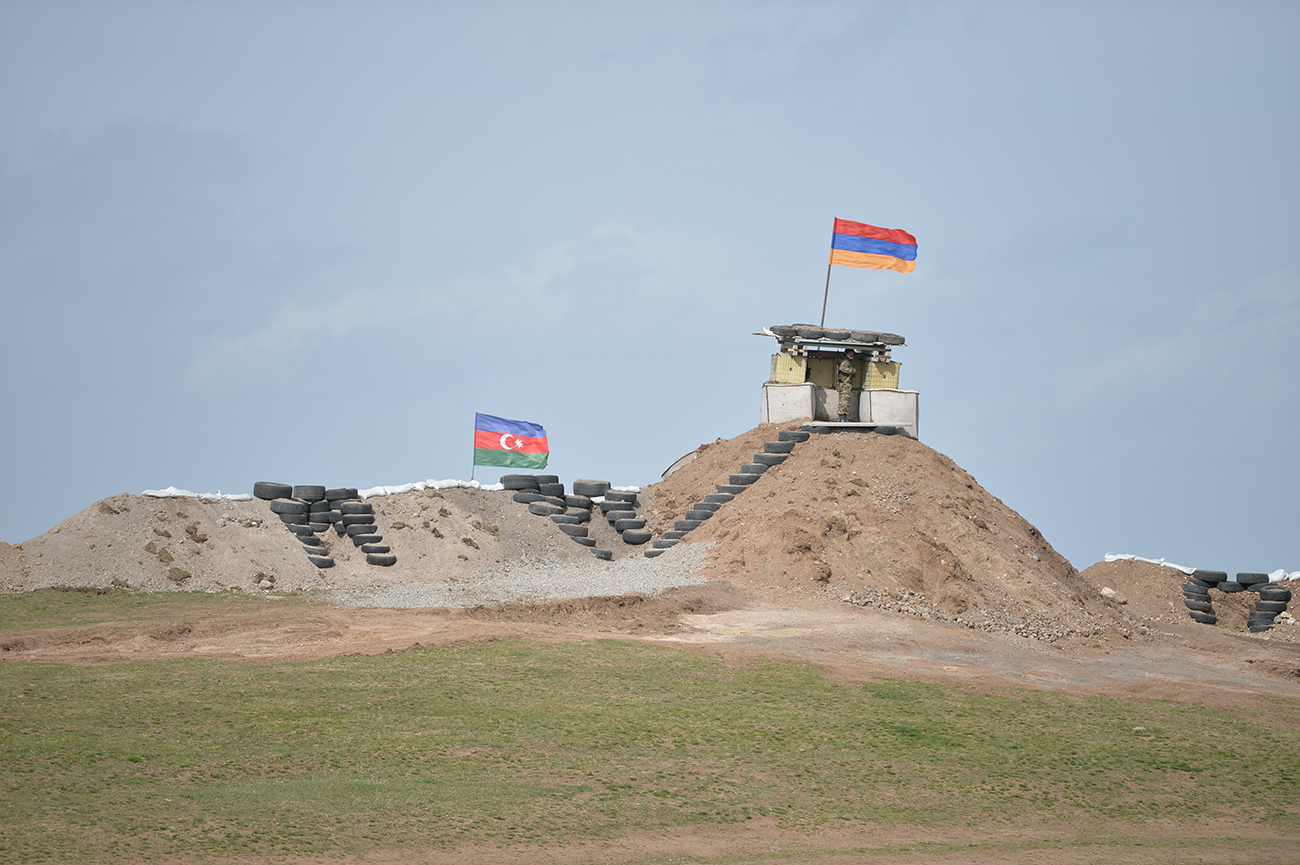
During a ceremony marking the anniversary of the National Security Service Border Guard Troops, Prime Minister Nikol Pashinyan announced that Armenia intends to finalize the border delimitation process with Azerbaijan within a logical timeframe. This development, framed by the administration as a pivotal step toward long-term regional stability, highlights a strategic transition from military-patrolled trenches to civilian-style border guard operations. By consolidating border control under the authority of the Border Guard Troops, the government seeks to solidify the de jure peace that has been established following the formalization of the 1976-based map protocols.
A Shift Toward Normalized Border Governance
The Prime Minister noted that for the first time since Armenia’s independence, all border crossing points are under the control of the national Border Guard Troops. A key indicator of this ongoing normalization is the 12-kilometer stretch in the Tavush region, where troops from both sides operate without heavy combat gear, signaling a reduction in immediate tactical tensions. This shift serves as a practical, if incremental, departure from the decades-long cycle of active skirmishes that have historically plagued the border areas. The administration emphasizes that this is not merely a technical exercise but a necessary institutional reform to ensure that international borders function as zones of peace rather than conduits for conflict.
Institutional Accountability and the Path Ahead
While the government points to the lack of casualties since early 2024 as evidence of success, the political landscape remains complex. The reliance on the Alma-Ata Declaration as the foundational principle for delimitation has provided a legal framework that the current administration views as a top-tier diplomatic achievement. However, the transition remains sensitive to domestic pressures, as political critics continue to scrutinize the concessions made during the initial phases of the demarcation in Tavush. The government’s challenge will be to maintain this momentum while ensuring that the final delimitation remains transparent and accountable to the public, thereby reinforcing the rule of law within the country’s internationally recognized territories.
The Practical Implications of Peace
Ultimately, the move toward a fully delimited border is intended to allow Armenia to focus on its internal development agenda, free from the constant threat of border-related violence. While the peace agreement remains in a pre-signed status, the institutionalization of the border commission’s work provides a functional mechanism for dispute resolution. For the citizens residing in border communities, the transition represents a critical move toward security predictability, though the long-term success of this process hinges on continued adherence to international law and the sustained commitment of both states to de-escalation protocols.