
Quick Read
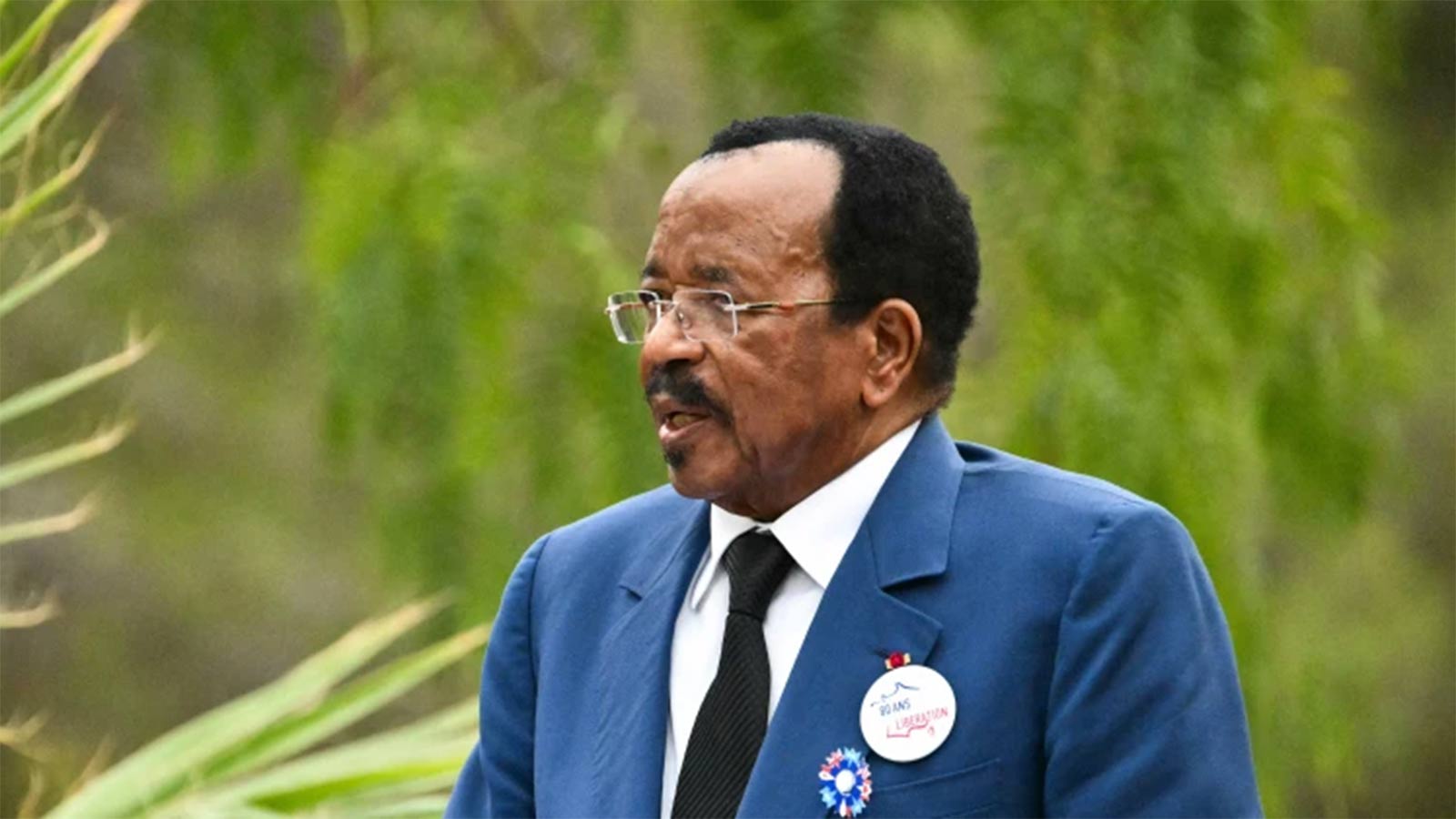
- Paul Biya, age 92, was declared winner of Cameroon’s October 2025 presidential election, securing 53.66% of the vote.
- Deadly protests erupted in Douala and other cities, with at least four opposition supporters killed.
- Main opposition candidate Issa Tchiroma Bakary disputed the results, claiming victory and alleging electoral fraud.
- Voter turnout was 57.76%, with regional divides and high abstention in Anglophone areas.
- Several opposition leaders and activists were arrested amid accusations of intimidation.
Paul Biya Declared Winner: Cameroon’s Presidential Election Results Unveiled
In Cameroon, the dust has barely settled after the official announcement that Paul Biya, Africa’s oldest serving president, has been declared winner of the country’s highly contested October 12, 2025, presidential election. At 92 years old and already marking 43 years in office, Biya now embarks on an eighth term, a tenure that could see him remain in power until he is nearly 100. The confirmation came from Cameroon’s Constitutional Council, which stated that Biya secured 53.66% of the votes, beating his former ally turned main challenger, Issa Tchiroma Bakary, who received 35.19%.
For many Cameroonians, the news sparked more than just political debate. It ignited a wave of deadly protests and palpable tension across major cities, as opposition supporters and civil society groups expressed outrage over what they described as a rigged and unjust process. The country’s streets, particularly in Douala—the economic capital—became scenes of unrest, with demonstrators defying bans on public gatherings, setting police cars alight, barricading roads, and demanding that the true outcome of the ballot be recognized.
Deadly Protests and Crackdowns: A Nation on Edge
The protests that followed the announcement were marked by tragedy. At least four opposition supporters lost their lives during clashes with security forces, as confirmed by Samuel Dieudonné Ivaha Diboua, governor of the Littoral region, and reported by Al Jazeera and BBC Africa. The violence erupted not only in Douala but also in Garoua, the stronghold of Issa Tchiroma Bakary, where tear gas and water cannons were deployed to disperse crowds. Demonstrators in the capital Yaoundé and other regions joined in, chanting for change and waving banners demanding the truth of the ballot.
The government was quick to condemn the unrest, describing it as premeditated violence and a serious threat to public order. Authorities arrested around 30 activists, and several members of the security forces were wounded. The crackdown, however, only intensified claims of a stolen election and deepened distrust in the official process.
“We are here to claim our victory,” one protester in Douala declared, according to Reuters. “We are doing a peaceful march, which is a civil right for all Cameroonians.” Opposition leader Tchiroma himself called for peaceful mobilization, paying tribute to those who had died and urging the government to “stop these acts of barbarity, these killings and arbitrary arrests.”
Election Results: Numbers, Regions, and Disputed Legitimacy
According to the Constitutional Council, voter turnout stood at 57.76%, with an abstention rate of 42.24%. Ten candidates contested the presidency, but Biya was widely regarded as the favorite, having never lost an election since taking power in 1982. The breakdown of the results revealed stark regional divides. In Biya’s home region, the South, he received a staggering 90.86% of the vote. In contrast, Tchiroma claimed victory in the Adamawa region with 56% and found strong support in the Littoral and North regions.
Perhaps most telling were the results from Cameroon’s English-speaking Northwest and Southwest regions, where political tensions have simmered for years. Over half the population abstained, reflecting both the ongoing separatist conflict and widespread distrust in the electoral process. Yet, according to official results, Biya garnered 68.7% and 86.31% of votes in the Southwest and Northwest, respectively—a figure many local observers found hard to reconcile with the realities on the ground.
The diaspora vote told a different story. Issa Tchiroma Bakary won the majority in Africa (54.99%), the Americas (66.75%), Asia and the Middle East (68.21%), and Europe (62.79%), suggesting that Cameroonians living abroad favored change over continuity.
Opposition Outcry and Allegations of Fraud
Issa Tchiroma Bakary, once a member of Biya’s government, ran as the consensus candidate for the Union for Change, a coalition formed to challenge Biya’s long-standing dominance. He claimed victory shortly after polls closed, alleging that he had secured 55% of the vote based on returns from 80% of polling stations. Tchiroma refused to file complaints with the Constitutional Council, arguing that its judges were appointed by Biya and thus lacked impartiality.
“There was no election, it was rather a masquerade,” Tchiroma told Agence France-Presse after the official results. His supporters accused the ruling Cameroon People’s Democratic Movement (CPDM) of ballot stuffing, electoral manipulation, and intimidation. The Constitutional Council dismissed eight petitions alleging irregularities, citing insufficient evidence or lack of jurisdiction. Before the election, popular opposition candidate Maurice Kamto was barred from running, further fueling accusations of an uneven playing field.
Meanwhile, several opposition leaders, including Anicet Ekane and Djeukam Tchameni, were arrested, and other activists reported being “kidnapped” or detained on charges ranging from plotting violence to threatening public order. These moves, opposition groups said, were meant to “intimidate Cameroonians” and suppress dissent.
Cameroon’s Political Landscape: Old Guard, New Grievances
Paul Biya’s grip on power has been characterized by both resilience and controversy. He has presided over Cameroon through decades of social upheaval, economic disparity, and persistent conflict. Critics point to chronic corruption, crumbling infrastructure, high unemployment—particularly among youth—and the ongoing Anglophone crisis as evidence of a government out of touch with its people. Biya’s frequent absences from the country, spending years in Switzerland for private or medical reasons, have only added to public frustration.
Under Biya, the government has often responded to dissent with force, arresting opposition figures and imposing internet blackouts, as seen in Douala during the election period. In 2008, parliament voted to remove presidential term limits, further cementing Biya’s hold on the presidency. The separatist struggle in the English-speaking regions, which escalated from peaceful protests in 2016 to armed conflict, has left large portions of the population feeling marginalized and excluded from national decision-making.
Uncertain Future: What Lies Ahead for Cameroon?
As Biya prepares for another seven-year term, the question on many minds is whether Cameroon can move beyond its current divisions. The protests, arrests, and bitter rhetoric suggest a nation grappling with a crisis of legitimacy and trust. Tchiroma continues to call for peaceful demonstrations, vowing to mobilize supporters until the “truth of the ballots” is acknowledged. International observers have expressed concern over the violence and restrictions, urging dialogue and respect for civil liberties.
For now, businesses in major cities remain shuttered, internet access is limited, and uncertainty hangs over the country. The legacy of this election will likely shape Cameroon’s political trajectory for years to come, as citizens and leaders alike weigh the cost of continuity against the promise of change.
Paul Biya’s re-election underscores the deep divisions and persistent challenges facing Cameroon. While official results grant him another term, the protests and widespread allegations of fraud reveal a nation yearning for more transparent governance and meaningful political reform. The coming years will test not only Biya’s leadership but also Cameroon’s ability to reconcile its fractured society and chart a more inclusive future.