
Quick Read
- Pete Alonso left the Mets for the Orioles, creating a vacancy at first base.
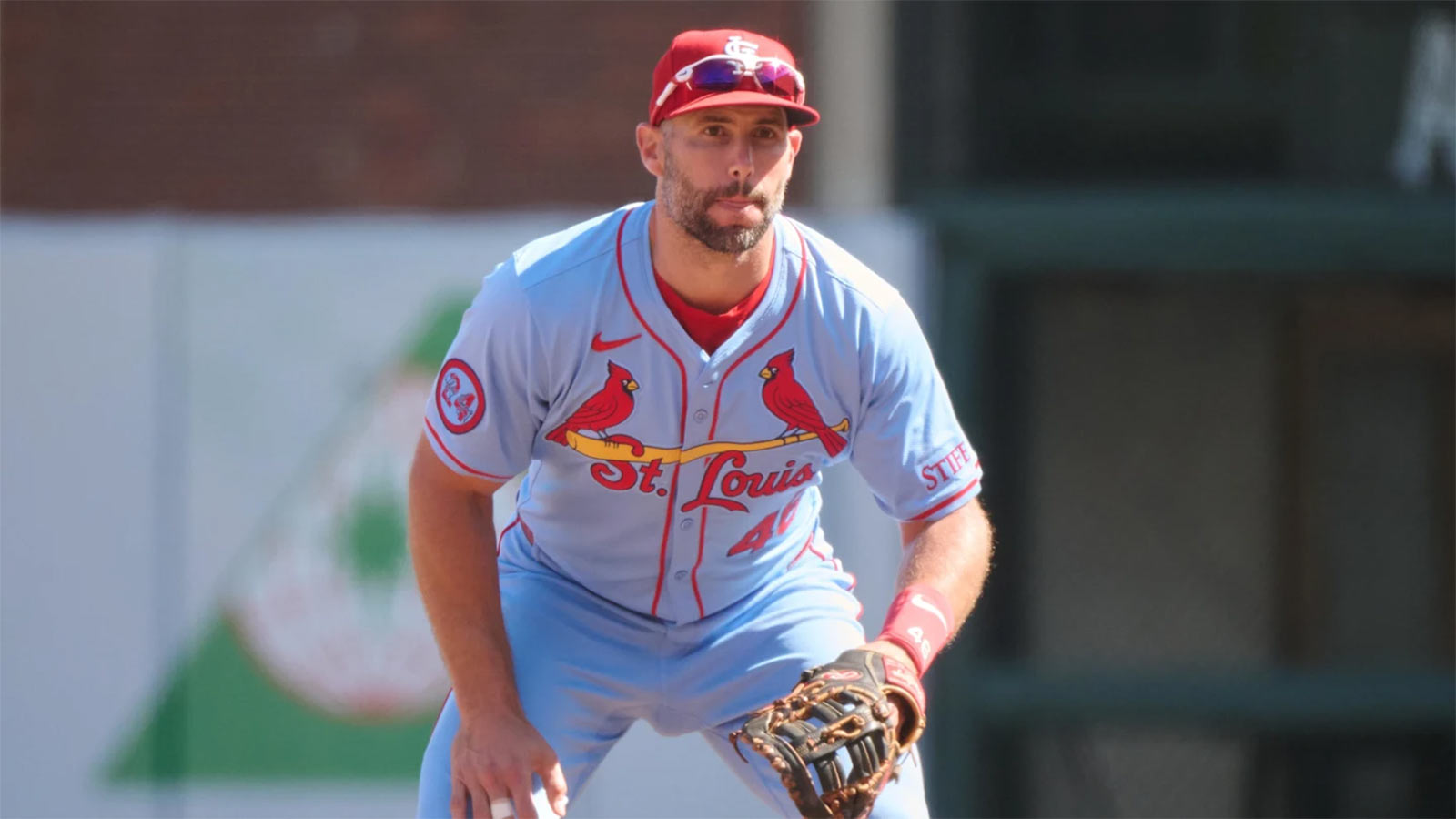
- Paul Goldschmidt, former MVP, is being considered by the Mets as part of a platoon solution with Jeff McNeil.
- Goldschmidt excelled against left-handed pitching in 2025 but had his weakest overall season.
- The Mets’ offseason has seen notable departures, prompting a strategic shift.
- Fan expectations are high, but the team is focusing on pragmatic roster-building.
Mets Face Uncertainty at First Base After Alonso’s Exit
When Pete Alonso swapped his iconic New York Mets pinstripes for the Baltimore Orioles’ orange in a headline-grabbing move, it marked the end of an era at Citi Field. Alonso was more than just a fixture at first base—he was the heart of the Mets’ lineup, smashing 53 home runs in his rookie year and earning five All-Star nods. His departure, especially after signing a massive $155 million deal with the Orioles, left the Mets with a glaring question: Who could possibly fill those shoes?
Goldschmidt: A Veteran Candidate in a Changing Landscape
In their search for answers, Mets management appears to be turning its gaze across town. According to Tim Healey of the Boston Globe and reporting from Newsweek, the Mets have internally discussed bringing in Paul Goldschmidt, the 2022 National League MVP and a player whose career has been defined by consistency and power. Goldschmidt, now 38, spent last season with the Yankees, and while his overall numbers were down (.274/.328/.403 in 146 games, with just 1.2 bWAR), his ability to hit left-handed pitching remains elite.
For context, Goldschmidt posted a .336/.411/.570 line against lefties in 2025—a mark that still places him among the best in the game at exploiting matchups. This platoon potential is not lost on the Mets, who are reportedly considering pairing Goldschmidt with their own lefty veteran, Jeff McNeil. McNeil, 33, handled right-handed pitching respectably last season (.245/.330/.426), suggesting a split-time strategy at first base could maximize production without relying on a single star.
A Strategic Shift: Platooning for Performance
The idea of platooning Goldschmidt and McNeil is not revolutionary, but it is pragmatic. In a sport increasingly driven by analytics and matchup optimization, leveraging the strengths of two established veterans could be a way for the Mets to navigate a challenging offseason. It’s a notable shift from last year’s headline-making moves, like signing Juan Soto to a historic $819 million contract, and it signals a willingness to prioritize value over splash.
Yet, for fans, this plan might feel underwhelming. The days of the Mets throwing massive sums at every roster gap seem to be on pause. With Alonso gone and no formal contract offer extended to him, some supporters are left wondering whether the club has abandoned its “Plan A” approach. The Goldschmidt/McNeil tandem, while logical, doesn’t carry the same star power or excitement as marquee free agent signings.
Goldschmidt’s Journey: Past Prime, Still Valuable?
Goldschmidt’s career arc is a study in longevity and adaptability. From his All-Star streak with the Arizona Diamondbacks (2013-2018) to his MVP season with the Cardinals, he has been a constant presence in the league. But 2025 marked a noticeable decline, with his lowest full-season bWAR and reduced power numbers. The question, then, is not just whether he can help the Mets, but whether he can recapture enough of his old form to be a meaningful contributor.
Despite these concerns, Goldschmidt’s specialized value—especially against left-handed pitching—remains clear. In a roster filled with uncertainties and shifting priorities, his experience could provide stability and mentorship for younger players. It’s a move that speaks less to headline-chasing and more to finding incremental advantages wherever possible.
Mets’ Offseason: Losses, Questions, and a Need for Direction
The Mets’ offseason has been defined by departures rather than arrivals. In addition to Alonso, they’ve lost a free agent pitcher to the Padres and an All-Star outfielder to another AL East club. Each exit chips away at the club’s core, raising questions about their competitive trajectory in 2026 and beyond. The Goldschmidt/McNeil proposal feels, in many ways, like a stopgap—an answer to immediate roster needs but not a bold new vision.
Still, not every ambitious plan guarantees success. Sometimes, as the Mets have learned, the biggest contract or flashiest signing isn’t the most effective solution. There’s wisdom in considering alternatives, even if they’re not as glamorous. If the Mets do move forward with Goldschmidt, the coming season will test whether experience and strategy can compensate for lost star power.
Fan Expectations vs. Organizational Reality
As the 2026 season approaches, Mets fans are left to wonder where the team is headed. The shift from high-profile signings to veteran platoons may not satisfy those hungry for instant results, but it might represent a more sustainable approach in the long run. The next few months will reveal whether the club’s management can turn pragmatic decisions into on-field success—or if they’ll need to revisit their philosophy once again.
Ultimately, the Mets’ consideration of Paul Goldschmidt as a solution at first base reveals both the team’s current limitations and its willingness to adapt. While Goldschmidt may not be the transformative star he once was, his proven ability against left-handed pitching and veteran leadership could provide steady value. Whether this measured approach pays off will depend on how the roster evolves, but it signals a shift toward strategic, cost-effective decision-making in Queens.