
Quick Read
- Pauline Hanson founded the One Nation party in 1997, advocating for immigration restriction and economic nationalism.
- Her speeches and political actions have sparked intense debate, making her both a celebrated and criticized figure.
- Hanson’s influence has shifted Australian political discourse, normalizing populist and nationalist rhetoric.
- Despite fluctuating electoral success, One Nation remains part of Australia’s political landscape.
- Hanson’s legacy is defined by her ability to provoke public debate on identity and national policy.
Pauline Hanson: A Name That Divides and Defines Australian Politics
Few political figures in Australia have generated as much debate, passion, and controversy as Pauline Hanson. As the founder and leader of One Nation, Hanson’s career has been marked by outspoken commentary, unexpected comebacks, and a persistent ability to tap into the anxieties and aspirations of a segment of the Australian public.
From Fish and Chip Shop Owner to Parliamentarian
Pauline Hanson’s rise to political prominence is as unconventional as it is emblematic of outsider politics. Before entering parliament, Hanson ran a fish and chip shop in Ipswich, Queensland—a detail that became central to her everywoman appeal. In 1996, Hanson won a seat in the Australian House of Representatives, running as an independent after being disendorsed by the Liberal Party for her controversial remarks about Indigenous welfare.
Her maiden speech, delivered with blunt force, denounced what she called ‘special treatment’ for Aboriginal Australians and warned of the dangers of ‘Asian immigration.’ The speech shocked many, but it also resonated with voters who felt ignored by mainstream parties. Hanson’s words quickly propelled her to national attention, making her a lightning rod for both support and criticism.
One Nation: Protest, Populism, and Persistence
In 1997, Hanson founded One Nation. The party’s platform, centered on immigration restriction, economic nationalism, and skepticism of multiculturalism, found fertile ground among Australians wary of rapid social change. One Nation’s initial electoral success—winning 11 seats in the Queensland Parliament in 1998—showed that Hanson’s message had struck a chord.
However, internal divisions, legal battles, and electoral setbacks plagued the party. Hanson herself was convicted of electoral fraud in 2003, spending several weeks in prison before her conviction was overturned. The episode only added to her renegade image, cementing her reputation as someone who, for better or worse, stood outside the political establishment.
Shaping Political Discourse: Immigration, Identity, and the Mainstream
While One Nation’s parliamentary presence has fluctuated, Hanson’s influence on the national debate is undeniable. Issues of immigration, integration, and national identity—once taboo in mainstream politics—became subjects of open discussion, in part due to Hanson’s provocations. Her rhetoric, often criticized as divisive and inflammatory, forced other parties to confront topics they might otherwise have avoided.
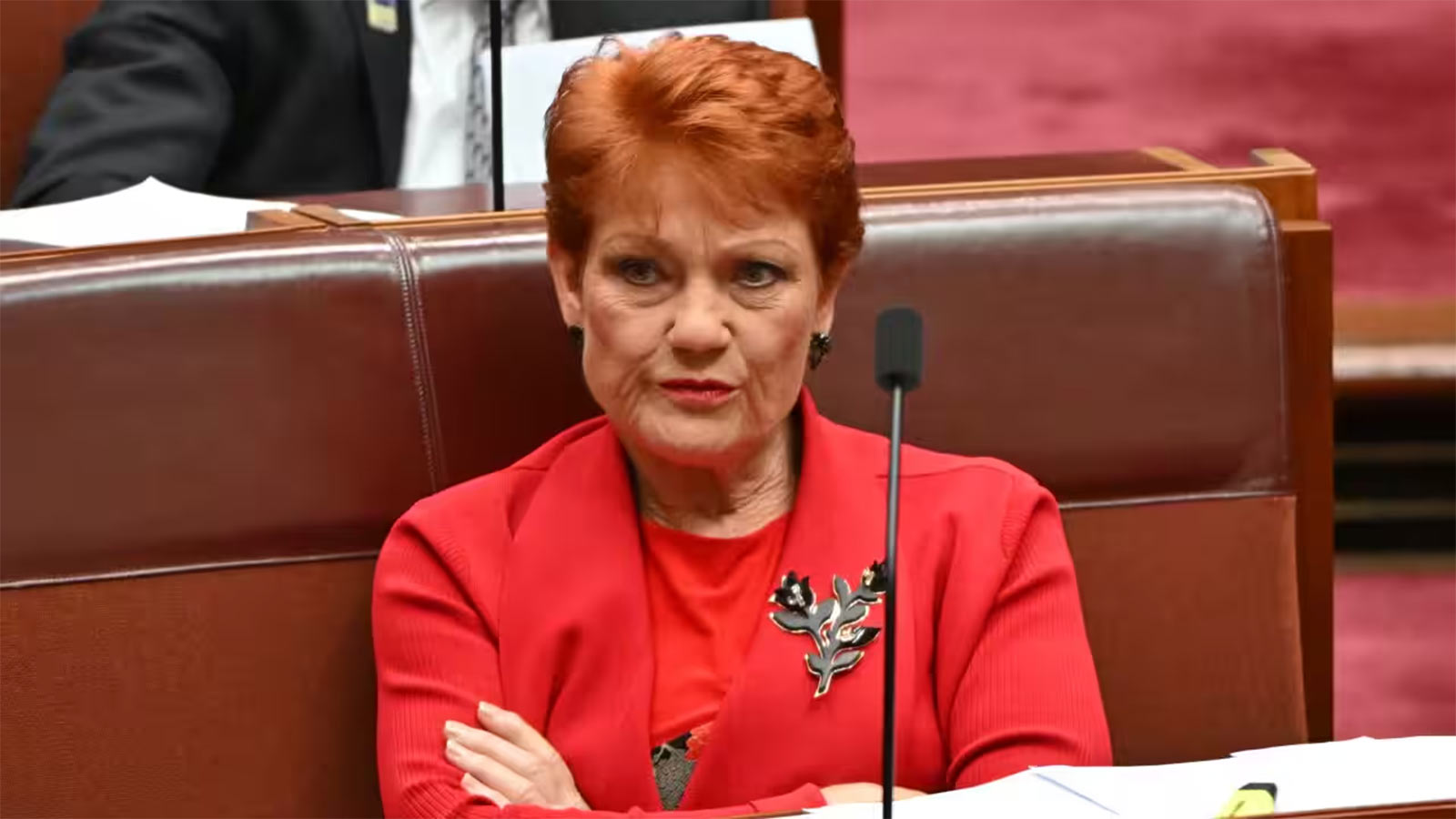
During the 2016 federal election, Hanson returned to the Senate, re-energizing her political brand. She continued to press for immigration cuts, skepticism toward Islam, and opposition to climate policies perceived as damaging to rural Australia. Her parliamentary interventions, sometimes theatrical and often headline-grabbing, reflected both her sense of showmanship and her knack for tapping into populist discontent.
Polarization and Public Response
Pauline Hanson is a deeply polarizing figure. Supporters praise her for ‘telling it like it is,’ seeing her as a voice for ordinary Australians who feel left behind by globalization and rapid social change. Critics, on the other hand, argue that her rhetoric stokes division and undermines social cohesion.
The media’s treatment of Hanson has often mirrored public ambivalence. Some outlets have condemned her views, while others have given her a platform to reach new audiences. Hanson herself has skillfully used television, radio, and social media to bypass traditional gatekeepers, speaking directly to her followers.
Legacy: What Remains After the Storm?
After more than two decades in the public eye, Pauline Hanson’s legacy is complex. She has normalized certain strands of populist and nationalist discourse in Australia, encouraging other politicians to address issues of identity, immigration, and sovereignty. Even those who vehemently oppose her views acknowledge that Hanson altered the contours of Australian politics.
One Nation’s fortunes have waxed and waned, but the party remains a fixture in the national conversation. Hanson herself continues to campaign, comment, and challenge the status quo, often finding ways to remain relevant even as the political landscape shifts.
In a world of rapid change, Pauline Hanson’s story raises a question: What is the role of the outsider in shaping democracy? Is it to disrupt, to provoke, or ultimately to force a reckoning with uncomfortable truths?
Looking Ahead: The Outsider’s Dilemma
As Australia grapples with new challenges—from economic uncertainty to cultural transformation—figures like Hanson will continue to test the boundaries of political debate. Her career demonstrates that the politics of protest and identity, far from being fleeting phenomena, have become enduring forces in democracies worldwide.
Whether viewed as a champion of the people or an agent of division, Hanson’s impact is undeniable. Her journey from Ipswich shopkeeper to national lightning rod is a testament to the power of conviction, controversy, and the enduring appeal of the outsider.
Pauline Hanson’s story is not simply one of controversy, but of influence: by articulating the fears and frustrations of a segment of society, she has compelled Australia to confront its own identity in ways that will echo for years to come.