
Quick Read
- Paulo Henrique scored a remarkable goal in Brazil’s 3-2 loss to Japan.
- Brazil led 2-0 at halftime with goals from Henrique and Martinelli.
- Japan staged a historic comeback, winning 3-2 in the second half.
- The match highlighted Brazil’s defensive vulnerabilities ahead of the World Cup.
- Japan extended their unbeaten home streak to 21 games.
In a thrilling international friendly match held at the Ajinomoto Stadium in Tokyo, Brazil faced off against Japan in a game that had football fans on the edge of their seats. Although Brazil took an early lead with goals from Paulo Henrique and Gabriel Martinelli, Japan staged a remarkable comeback to claim a historic 3-2 victory. This match not only showcased the tactical brilliance and resilience of both teams but also highlighted the individual performances of key players, especially Paulo Henrique.
Paulo Henrique’s Stunning Contribution
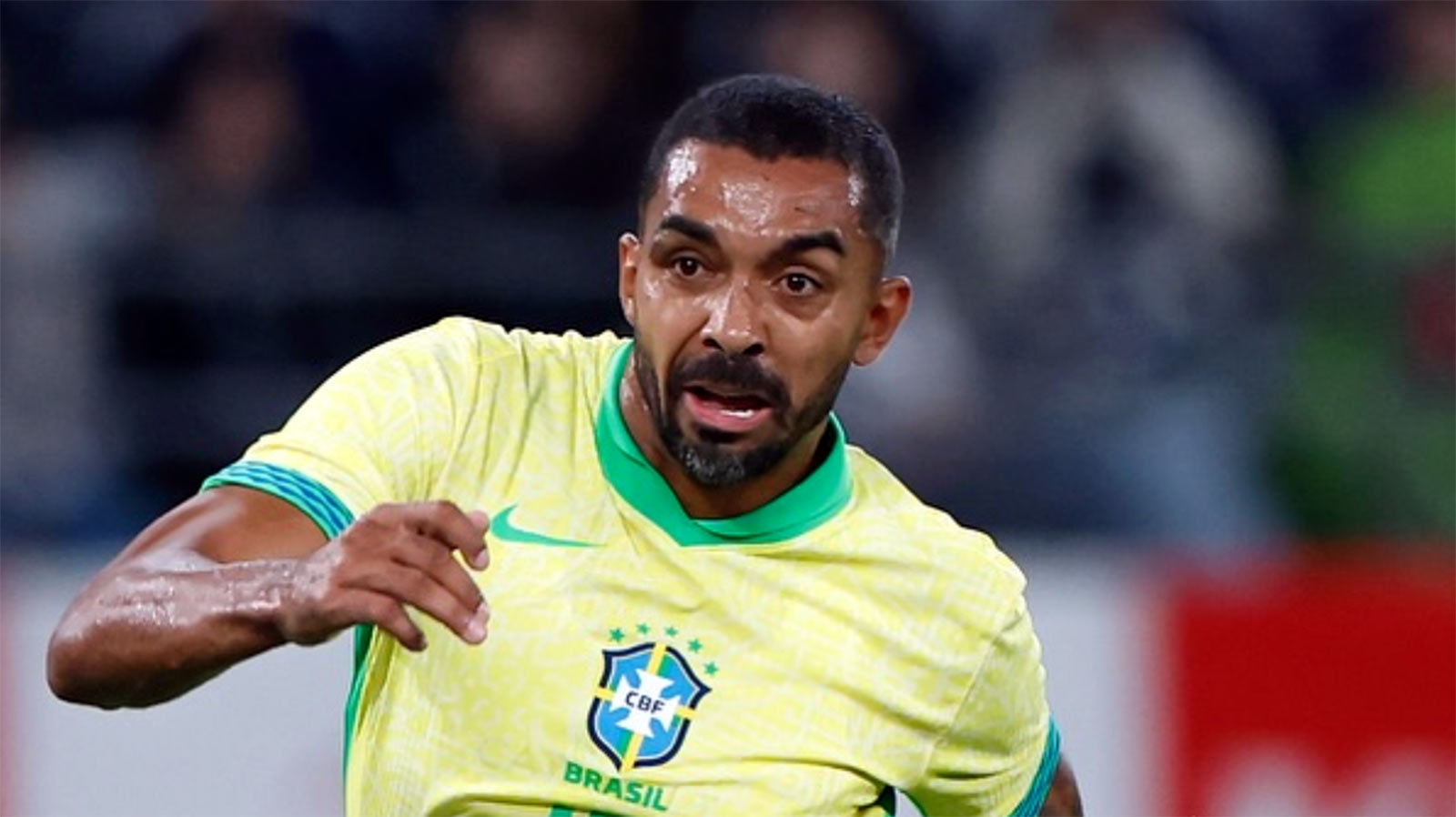
Paulo Henrique, a standout player for Vasco da Gama, opened the scoring in the 26th minute with a goal that epitomized Brazilian football’s flair and precision. The play began with Henrique himself initiating a clever pass to Bruno Guimarães. After a quick one-two sequence with Gabriel Martinelli, Guimarães set up Henrique, who slotted the ball past Japan’s goalkeeper Zion Suzuki with an exquisite outside-of-the-foot finish. This goal demonstrated Henrique’s technical skill and composure under pressure, further solidifying his reputation as a rising star in Brazilian football.
Henrique’s contribution was not limited to his goal. Throughout the first half, he showcased his ability to read the game, make incisive passes, and support both defensive and offensive plays. His performance was a bright spot in a Brazilian lineup that featured several changes as coach Carlo Ancelotti experimented with his squad ahead of the upcoming World Cup.
Brazil’s Early Dominance
The first half was largely controlled by Brazil, who displayed clinical finishing and tactical discipline. Just five minutes after Henrique’s opener, Gabriel Martinelli doubled the lead with a spectacular left-footed half-volley, set up by Lucas Paquetá’s perfectly timed lob over the Japanese defense. At halftime, Brazil seemed firmly in control, leading 2-0 and silencing the enthusiastic Japanese crowd.
Brazil’s tactical setup was notable for its adaptability. With Vinícius Jr. operating as a false nine, the team focused on fluid movement and quick transitions. However, despite their early dominance, cracks began to appear in the second half as Japan increased their intensity and exposed vulnerabilities in Brazil’s defense.
Japan’s Historic Comeback
The second half saw a complete shift in momentum as Japan capitalized on Brazil’s defensive lapses. Takumi Minamino ignited the comeback in the 52nd minute, intercepting a loose ball from Fabricio Bruno and firing it past Hugo Souza. Just 11 minutes later, Keito Nakamura leveled the score with a deflected shot that further unsettled the Brazilian defense.
The decisive moment came in the 71st minute when Ayase Ueda rose above his marker to head in a corner kick, sealing Japan’s comeback. Despite Brazil’s relentless efforts to equalize in the final minutes, Japan’s defense, led by goalkeeper Zion Suzuki, held firm. This victory extended Japan’s unbeaten home streak to an impressive 21 games and marked one of their most memorable wins against a football powerhouse like Brazil.
Implications for Brazil’s World Cup Preparations
For Brazil, this match served as a wake-up call ahead of the World Cup. While the team displayed moments of brilliance, the defensive errors and inability to maintain composure under pressure highlighted areas for improvement. Coach Carlo Ancelotti, who has been rotating his squad to evaluate fringe players, will likely use this game as a learning experience to fine-tune his strategies.
Players like Paulo Henrique and Gabriel Martinelli proved their worth, but the overall team performance indicated the need for greater cohesion and defensive solidity. With only a few matches remaining before the World Cup, Brazil will need to address these issues to ensure they are fully prepared for tougher challenges on the global stage.
The Significance of the Match
Beyond the immediate result, this match underscored the unpredictable nature of football and the importance of resilience and teamwork. For Japan, it was a historic victory that showcased their growth as a footballing nation capable of competing with the best. For Brazil, it was a reminder of the fine margins that separate success from failure, even for a team with such a storied history.
This match will be remembered not only for its dramatic twists and turns but also for the individual brilliance of players like Paulo Henrique, whose performance highlighted the enduring appeal and unpredictability of international football.