
Quick Read
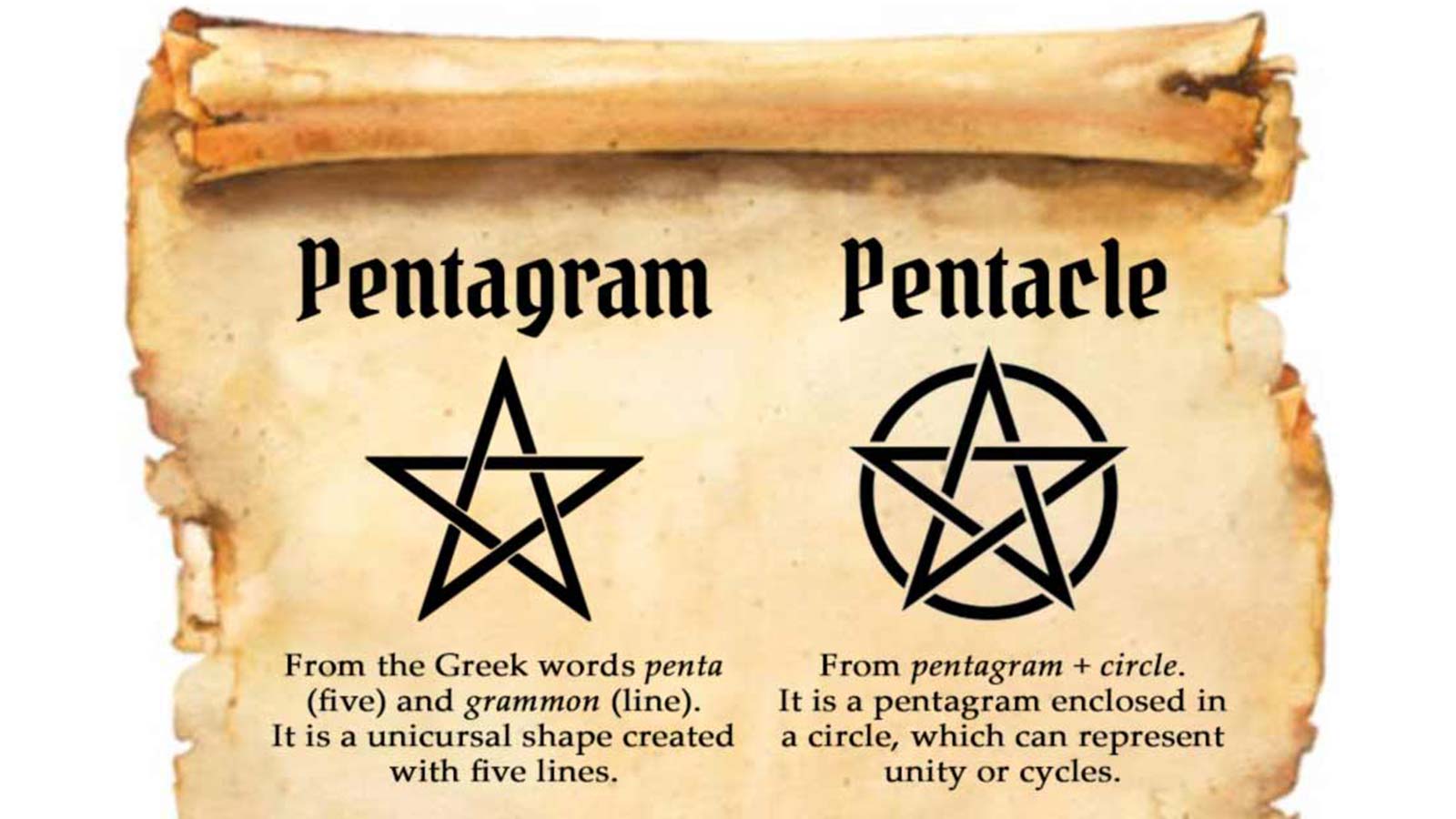
- The pentagram is a five-pointed star, while the pentacle is a pentagram enclosed in a circle.
- Both symbols date back thousands of years and have been used for protection, spirituality, and unity.
- Popular culture often misrepresents these symbols, associating them with negative meanings.
- Modern use spans spiritual identity, art, and fashion, but can attract misunderstanding or prejudice.
- The distinction between pentagram and pentacle is significant in spiritual practice.
The Pentagram and Pentacle: Symbols at the Crossroads of Meaning
From tattoo parlors to jewelry shops, and from fantasy novels to religious rituals, the pentagram and pentacle have become fixtures of modern iconography. Yet, despite their ubiquity, few symbols generate as much confusion, debate, and fascination. Are they emblems of darkness or of protection? Occult or spiritual? The answer, as always, depends on who’s telling the story.
Tracing the Roots: Ancient Geometry, Spiritual Significance
Both the pentagram—a five-pointed star—and the pentacle—a pentagram enclosed within a circle—have roots stretching back thousands of years. According to artfixdaily.com, the pentagram’s earliest known use dates to ancient Mesopotamia, where it symbolized the five directions. In classical Greece, Pythagoreans revered it as a sign of mathematical perfection and health. Later, in medieval Europe, the pentagram was often seen as a protective talisman, inscribed on doors and worn as amulets to ward off evil.
The pentacle, meanwhile, is a more recent evolution. By encircling the star, practitioners added a layer of meaning—unity, wholeness, and the eternal cycle. In Wiccan and neo-pagan traditions, the pentacle represents the four elements (earth, air, fire, water) plus spirit, all bound together by the circle of life. For many, it’s a symbol of harmony and balance, not menace.
Misperceptions and Media Myths
Despite their benign origins, both symbols have suffered from misunderstanding, particularly in the West. The rise of sensational media in the twentieth century—think horror films, comic books, and tabloid stories—often painted the pentagram as a tool of devil-worship, a visual shorthand for evil. This narrative, however, is largely a product of modern pop culture, not historical reality.
According to artfixdaily.com, the confusion is exacerbated by the pentagram’s occasional use in ceremonial magic, where its orientation (point up or down) changes the meaning. An upright pentagram typically symbolizes positive forces, while an inverted one may denote materialism or, in some rare cases, darker rituals. But even here, context is everything: many traditions use both orientations for different purposes, without any sinister intent.
Modern Use: From Identity to Art
Today, pentagrams and pentacles are everywhere—on clothing, book covers, and social media profiles. For some, these symbols signal spiritual identity, especially within Wiccan or pagan communities. For others, they’re aesthetic choices, valued for their symmetry and intrigue. Yet, because of persistent myths, wearers sometimes face suspicion or prejudice. Stories abound of people being asked to remove pentacle jewelry at work or school, or facing questions about their beliefs.
Art historians and cultural critics argue that such reactions reflect deeper anxieties about difference and the unknown. As artfixdaily.com points out, symbols are mirrors: they reflect our fears, hopes, and the stories we tell ourselves. When a symbol is misunderstood, it’s often because the culture around it is grappling with change.
Distinguishing the Two: Pentagram or Pentacle?
So what’s the difference? The pentagram is simply the five-pointed star, while the pentacle is that same star encircled. In practice, the terms are often used interchangeably, adding to the confusion. But for practitioners and scholars, the distinction matters: the circle isn’t just decorative, it’s essential to the pentacle’s meaning as a symbol of unity and protection.
Misuse or mislabeling can lead to controversy. For example, some online marketplaces mistakenly list pentacle jewelry as pentagrams, or vice versa, attracting criticism from buyers who feel their spiritual beliefs are being misrepresented.
Why It Matters: Beyond Symbolism
The debate over pentagrams and pentacles is more than academic—it’s a window into how societies manage diversity and change. As communities grow more pluralistic, symbols once considered fringe are finding new visibility. For some, this is liberating—a chance to reclaim misunderstood emblems and forge new identities. For others, it’s unsettling, challenging old assumptions and stirring up old fears.
Ultimately, the pentagram and pentacle remind us that meaning is never fixed. Symbols evolve, just as cultures do. What was once a mark of protection can become a badge of rebellion, or vice versa. The key is conversation: listening to the stories behind the symbols, and resisting easy stereotypes.
In an era of rapid change and increasing visibility for alternative spiritualities, the pentagram and pentacle serve as a test case for how we negotiate meaning and difference. Their story urges us to look beyond first impressions—to see not just the star, but the people and histories it represents.