
Quick Read
- The Perseid meteor shower peaks tonight, August 12, into early August 13.
- Up to 100 meteors per hour, including bright fireballs, are expected.
- Bright moonlight and weather conditions may hinder visibility in some areas.
- Best viewing times are after midnight in dark, rural locations.
- The Perseids inspire awe and connect humanity to the cosmos.
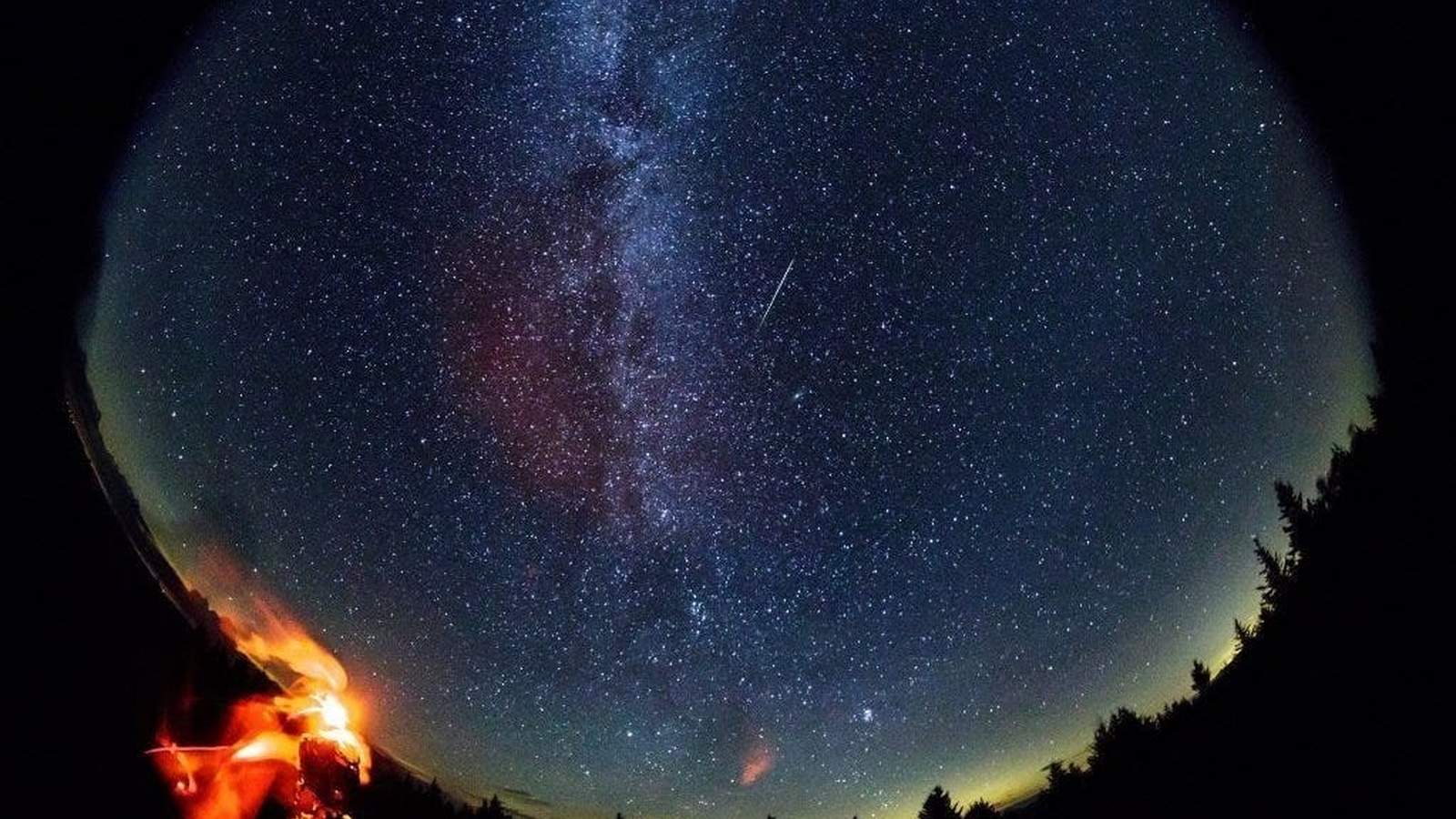
The annual Perseid meteor shower, one of the most anticipated celestial events of the year, reaches its peak tonight, August 12, and will continue into the early hours of August 13. Stargazers across the globe are gearing up to witness this breathtaking phenomenon, which is expected to feature up to 100 meteors per hour at its peak, including bright fireballs streaking across the night sky.
What Makes the Perseid Meteor Shower Special?
The Perseid meteor shower is renowned for its reliability and spectacular display. Originating from the debris of the Swift-Tuttle comet, the meteors burn up in Earth’s atmosphere, creating streaks of light that are visible to the naked eye. The shower is named after the constellation Perseus, from which the meteors appear to radiate.
NASA describes the Perseids as one of the brightest and most consistent meteor showers of the year. The combination of high meteor rates and warm summer nights makes it a favorite for amateur astronomers and casual stargazers alike. The Perseids have been observed for over 2,000 years, and their intensity varies slightly from year to year based on the density of the debris field Earth passes through.
Viewing Conditions: Moonlight and Weather Challenges
While the Perseid meteor shower promises a dazzling show, viewing conditions might be less than ideal in certain areas. According to Freep, the bright waning sturgeon moon, which peaked three days ago, could outshine fainter meteors, reducing visibility. The moonlight is expected to be a significant factor for those attempting to catch the full spectacle.
Weather conditions are another variable. As Clarion Ledger reports, cloudy skies and potential rainstorms in some regions, such as Mississippi, may hinder visibility. However, areas with clear skies will still have an excellent chance to enjoy the show. For optimal viewing, experts recommend finding a dark location away from city lights, lying flat on your back, and giving your eyes at least 30 minutes to adjust to the darkness.
How and When to Watch
The best time to observe the Perseids is during the pre-dawn hours when the sky is darkest and the meteor activity is at its peak. According to Philly Burbs, the shower will be most visible after midnight and into the early morning hours of August 13. No special equipment is needed, as the meteors can be seen with the naked eye. However, a reclining chair or blanket can make the experience more comfortable.
In urban areas like Houston, bright city lights could dim the show, as noted by Click2Houston. Stargazers in such locations are advised to travel to rural areas or parks where artificial light pollution is minimal.
Why the Perseids Matter
The Perseid meteor shower is more than just a stunning visual experience; it serves as a reminder of humanity’s connection to the cosmos. Each meteor represents a fragment of a comet that has traveled millions of miles through space before entering Earth’s atmosphere. Observing these meteors can inspire awe and curiosity about the universe and our place within it.
Moreover, events like the Perseids bring communities together, as people gather to share the wonder of a natural phenomenon. Whether it’s a family outing, a gathering of friends, or a solo retreat under the stars, the Perseids offer a moment of collective awe and reflection.
As the Perseid meteor shower reaches its peak tonight, take a moment to step outside, look up, and marvel at the beauty of the universe. Despite challenges like moonlight and weather, the opportunity to witness such a celestial spectacle is a reminder of the wonders that lie beyond our world.