
Quick Read
- Peter Capaldi believes ‘Doctor Who’ has become too big, shifting its focus from cultural to economic importance.
- He notes that the show he loved was a ‘tiny thing’ compared to its current status as a major brand for the BBC.
- Showrunner Steven Moffat previously stated that ‘Doctor Who’s’ continuation is driven by the money it generates, not just ratings.
- The show’s budget dramatically increased due to a recent co-production deal with Disney Plus, which has now ended.
- Capaldi recently starred in ‘Black Mirror’ Season 7, which premiered in April 2025 and has been renewed for an eighth season.
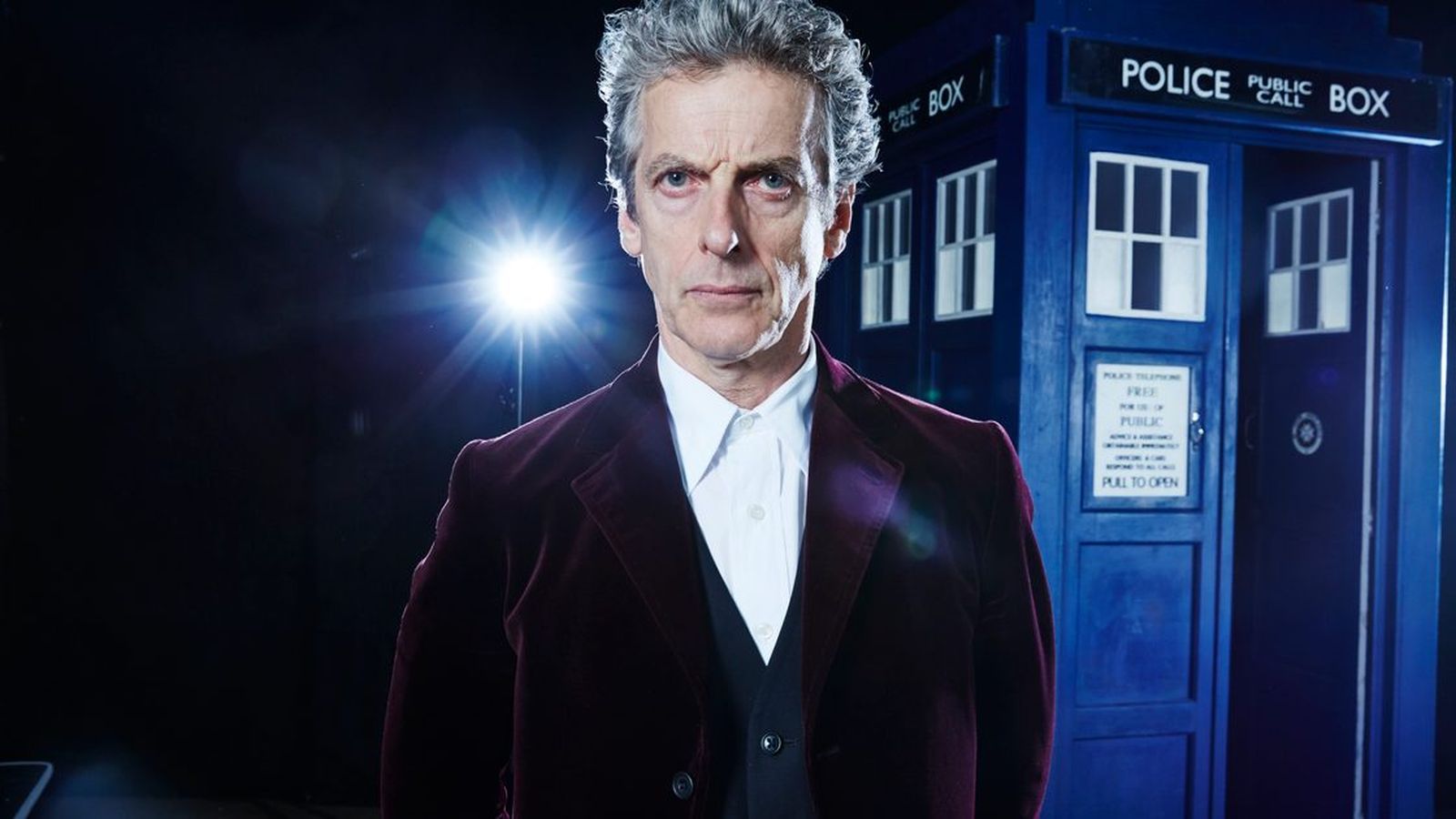
In the ever-shifting landscape of television, where beloved franchises often grapple with commercial pressures, Peter Capaldi, a name synonymous with the iconic role of the Twelfth Doctor, has offered a candid assessment of how scale has impacted Doctor Who. His reflections, shared on the Half the Picture podcast, resonate deeply with fans and industry observers alike, painting a picture of a show that, in his view, has become a victim of its own success. This comes as Capaldi himself remains a prominent figure in the acting world, having recently featured in the critically acclaimed Black Mirror Season 7, a series itself celebrated for its sharp commentary on modern society.
The Doctor’s Diagnosis: When Scale Overshadows Soul
Capaldi, unlike many who step into the Doctor’s shoes, was a lifelong fan of the series long before he commanded the TARDIS. This deep personal connection lends a particular weight to his observations. He argues that Doctor Who, once a quirky, niche program, has grown into something far grander, but not necessarily for the better. “The show became very, very big,” Capaldi explained, noting, “It was never like that when I loved it. So it became a different thing.” This transformation, he believes, shifted the show’s core identity from a cultural phenomenon enjoyed by a dedicated few to a significant economic asset for the BBC.
His tenure, from 2014 to 2017, saw him navigate these evolving demands firsthand. Capaldi recalls a time when actors like Jon Pertwee or Tom Baker could dedicate most of their year to filming, with only a fraction spent on promotion. Today, he suggests, the responsibilities extend far beyond the set. “It wasn’t this in-your-face kind of thing that suddenly was really important to the BBC, or suddenly really important to a brand that had to be maintained,” he lamented. For Capaldi, the charm of the classic era lay in its unassuming nature; it was “just a show that some kids really loved, and other kids didn’t care about, but wanted to watch football, or you grew out of.” The current iteration, he feels, is driven less by its cultural impact and more by its commercial imperative.
This sentiment echoes a broader discussion about the balance between artistic vision and financial viability in long-running franchises. Capaldi’s affection for the show’s humble beginnings is palpable. He cherishes the memory of Doctor Who as “a tiny thing, a little small thing that survived. It just survived and then it didn’t.” Yet, he acknowledges its enduring, almost stealthy, influence: “But nobody knew that it was worming its way into the culture in such a deep way.” It’s this quiet, profound impact that he still feels an affinity with, a stark contrast to the high-stakes, high-budget production it has become.
The Business of Time Travel: Doctor Who’s Evolving Landscape
Capaldi’s observations are not isolated; they reflect a tangible shift in how Doctor Who is produced and perceived. The show’s financial underpinnings have indeed undergone significant changes in recent years. Steven Moffat, who served as showrunner during Capaldi’s era, previously highlighted the economic realities behind the series’ continuation. Speaking in 2024 about the future of Doctor Who, Moffat stated, “Everyone talks about ratings as if they matter. I was in a position to know how much money that show generated. That’s the number you want to look at. And that’s why Doctor Who still gets made.” This candid admission underscores the commercial pressures driving major productions.
The most significant financial injection came through a co-production and distribution deal between the BBC and Disney Plus, which dramatically boosted the show’s budget. While this partnership recently concluded, the BBC has confirmed that Doctor Who will continue, with a 2026 Christmas special already on the slate. However, the exact financing mechanisms for its future, and whether another major deal will be struck, remain subjects of speculation. This ongoing financial tightrope walk perhaps validates Capaldi’s concern that the show’s economic importance has, in some ways, overshadowed its intrinsic cultural value.
Beyond the TARDIS: Capaldi’s Dive into ‘Black Mirror’s’ Dark Future
While his insights into Doctor Who spark conversations about legacy and evolution, Peter Capaldi continues to demonstrate his versatility as an actor. He was a notable addition to the star-studded cast of Black Mirror Season 7, which premiered in April 2025. The anthology series, known for its unsettling yet prescient explorations of technology’s impact on human society, saw Capaldi join a lineup that included Rashida Jones, Paul Giamatti, and Emma Corrin, among others.
The show’s enduring relevance and critical acclaim are evident in its recent renewal for an eighth season, confirmed by creator Charlie Brooker. As reported by the Times of India, Brooker expressed his excitement, teasing a “darker, sharper return” and hinting that “that chunk of my brain has already been activated and is whirring away.” This suggests the new season will delve even deeper into the unsettling overlap between technological advancement and human behavior, a theme that Capaldi, with his keen observational skills, is no stranger to exploring through his roles. Black Mirror’s success, including its first Golden Globe nominations earlier this year for Season 7, underscores its continued ability to entertain and provoke thought, making Capaldi’s involvement a fitting choice for an actor who appreciates depth and cultural resonance.
Peter Capaldi’s perspective on Doctor Who offers a poignant reminder of the delicate balance between artistic integrity and commercial necessity in modern television. His reflections highlight a generational shift in how major franchises are perceived and produced, where the allure of global scale and economic impact can sometimes obscure the intimate, cultural connections that first made them beloved. Yet, his continued engagement with thought-provoking projects like Black Mirror demonstrates that even amidst these changes, the power of compelling storytelling, regardless of budget, remains paramount.