
Quick Read
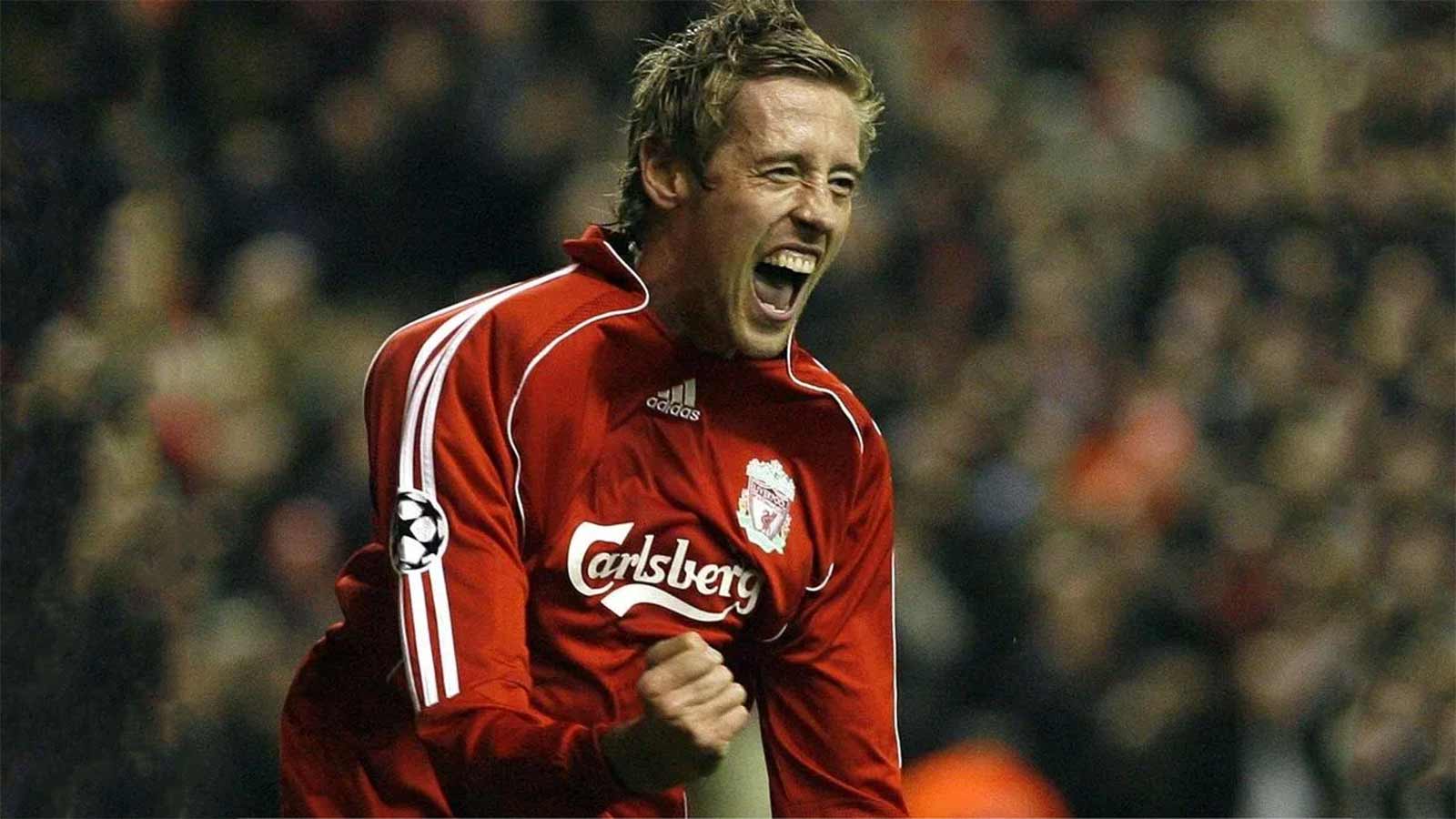
- Peter Crouch remains Portsmouth’s most expensive signing at £11m from Liverpool in 2008.
- Crouch scored 11 goals in his second spell at Portsmouth before moving to Tottenham.
- He is now a respected football pundit, known for insightful Premier League analysis.
- Crouch recently called for more leadership in Manchester United’s squad, praising Sunderland’s Granit Xhaka.
- He believes Newcastle manager Eddie Howe would not leave for Manchester United, emphasizing club loyalty.
Peter Crouch’s Portsmouth Legacy: Breaking Transfer Records
When Portsmouth Football Club broke the bank in 2008 to bring Peter Crouch back to Fratton Park for a record £11 million fee from Liverpool, the move sent shockwaves through English football. Crouch was not a stranger to the South Coast; his first spell, on loan from Aston Villa in 2001-02, saw him net 18 goals and charm the local crowd with his gangly, 6’7” frame and infectious spirit. The club’s investment in his return symbolized both ambition and hope—a bid to stabilize their Premier League status and inject much-needed quality up front.
Yet, the story of Crouch at Portsmouth is more than just numbers. His second stint lasted a single season, but in that time, Crouch scored 11 goals and led the line with a blend of finesse and physicality that few defenders could handle. He never lifted silverware with Pompey, but his presence was felt in every match, his towering silhouette a constant reminder of the club’s willingness to dream big.Reuters described the signing as a “statement of intent” for a club battling to stay relevant in a rapidly changing football landscape.
From Transfer Headlines to FA Cup Glory: Portsmouth’s Golden Era
Crouch’s arrival capped a period of frenzied transfer activity under manager Harry Redknapp. Fratton Park became a revolving door for high-profile signings: Glen Johnson for £4 million from Chelsea, Benjani Mwaruwari for £4.1 million from AJ Auxerre, Yakubu Ayegbeni for £4.2 million, Lassana Diarra for £5.5 million, and Sulley Muntari for £7 million from Udinese. Many of these players would play pivotal roles in Portsmouth’s fairy-tale run to the 2008 FA Cup, with Muntari and Diarra providing steel in midfield and Johnson anchoring the defense.
But big fees did not always translate to big returns. David Nugent’s £6 million move from Preston North End yielded just three goals in two and a half seasons. John Utaka, brought in for £7 million, struggled to live up to expectations, though his assist in the FA Cup final was a rare bright spot. The club’s willingness to spend marked both its ambitions and, eventually, its financial undoing.The Guardian chronicled the highs and lows of this era, noting how “Portsmouth’s transfer gambles brought glory, but also risk.”
Peter Crouch: The Premier League’s Gentle Giant and Media Personality
Beyond his time at Portsmouth, Peter Crouch’s career is a tapestry woven through the fabric of English football. He played for Liverpool, Tottenham, Stoke City, and others, earning 42 caps for England and scoring 22 international goals. But it’s not just the goals or the robot dance celebrations that define Crouch. His post-playing career has seen him emerge as one of the most respected voices in the game—insightful, witty, and never afraid to challenge the status quo.
On his popular podcast, That Peter Crouch Podcast, he has become a fixture of Premier League debate. Recently, he weighed in on Manchester United’s struggles, pointing to a lack of leadership in the squad and suggesting that Sunderland’s Granit Xhaka—a player who recently joined the Black Cats from Bayer Leverkusen—could offer the stability United desperately needs. “There’s not enough leaders in that dressing room,” Crouch remarked, comparing United’s malaise with Sunderland’s “never-say-die” mentality under Xhaka’s captaincy.
This ability to see beyond the obvious, to identify the threads that bind a team together, is part of what makes Crouch’s commentary so compelling. He doesn’t just talk about the game; he understands its heartbeat.
Managerial Moves and Modern Football: Crouch’s Perspective on Club Loyalty
In a football world obsessed with transfer rumors and managerial merry-go-rounds, Crouch’s views on club loyalty carry weight. When speculation swirled about Newcastle United manager Eddie Howe potentially taking over at Manchester United, Crouch dismissed the idea outright on his podcast. “Why would he leave Newcastle?” he asked, highlighting the risks managers face when moving to clubs with turbulent histories. Since Sir Alex Ferguson’s departure, the Manchester United job has been a graveyard for reputations, with Moyes, Van Gaal, Mourinho—all failing to restore the club’s former glory. Crouch’s assessment is clear: loyalty and stability matter more than chasing marquee jobs, especially in an era where big names don’t guarantee success.Sky Sports noted that Crouch’s “straight-talking analysis resonates with fans and pundits alike.”
The Legacy of Big-Money Moves: Lessons from Portsmouth and Beyond
Portsmouth’s history of expensive signings—Crouch chief among them—offers a cautionary tale. The club’s willingness to spend, to dream, brought moments of ecstasy but also financial peril. For every success story like Muntari or Diarra, there was a cautionary footnote in the likes of Nugent or Utaka. The lessons are clear: ambition must be balanced with sustainability, and club identity cannot be bought at any price.
Crouch, with his unique perspective as both record signing and commentator, embodies the complexities of modern football. His career reminds us that while money can buy talent, it cannot guarantee chemistry or long-term success. His journey—from Fratton Park to the airwaves—offers a blueprint for life after football, one grounded in authenticity and a deep love for the game.
Peter Crouch’s story is a reflection of football’s evolution: the rise of big-money transfers, the importance of leadership both on and off the pitch, and the enduring value of staying true to one’s roots. His legacy at Portsmouth, and his voice in the Premier League today, remind us that the heart of football beats strongest in those who play—and speak—with genuine passion.