
Quick Read
- Peyton Manning won his first Super Bowl at age 30, after earning two MVPs.
- Debates about quarterback greatness often focus on rings and MVPs, but Manning’s career shows the value of patience and context.
- Ryan Clark and others argue that comparing young stars to retired legends is misleading.
- Manning’s impact goes beyond statistics, shaping NFL quarterback standards and expectations.
Peyton Manning: An Icon at the Heart of the Quarterback Standard
When the conversation turns to NFL greatness, Peyton Manning’s name inevitably comes up. For two decades, he defined what it meant to be a franchise quarterback. But in 2025, as debates swirl about MVP awards, Super Bowl wins, and what makes a quarterback “overrated” or “underrated,” Manning’s legacy feels more relevant than ever.
This year, the quarterback discussion was reignited after a controversial ranking by Bleacher Report claimed Lamar Jackson to be the most overrated quarterback in the league, citing his lack of a Super Bowl ring despite multiple MVPs. The argument drew comparisons to legends like Manning, Aaron Rodgers, and Tom Brady—all Super Bowl winners and multi-time MVPs. Yet, as former safety Ryan Clark passionately pointed out, these comparisons can be misleading, especially when careers are at different stages.
The MVP Paradox: Is a Quarterback’s Greatness Defined by Rings?
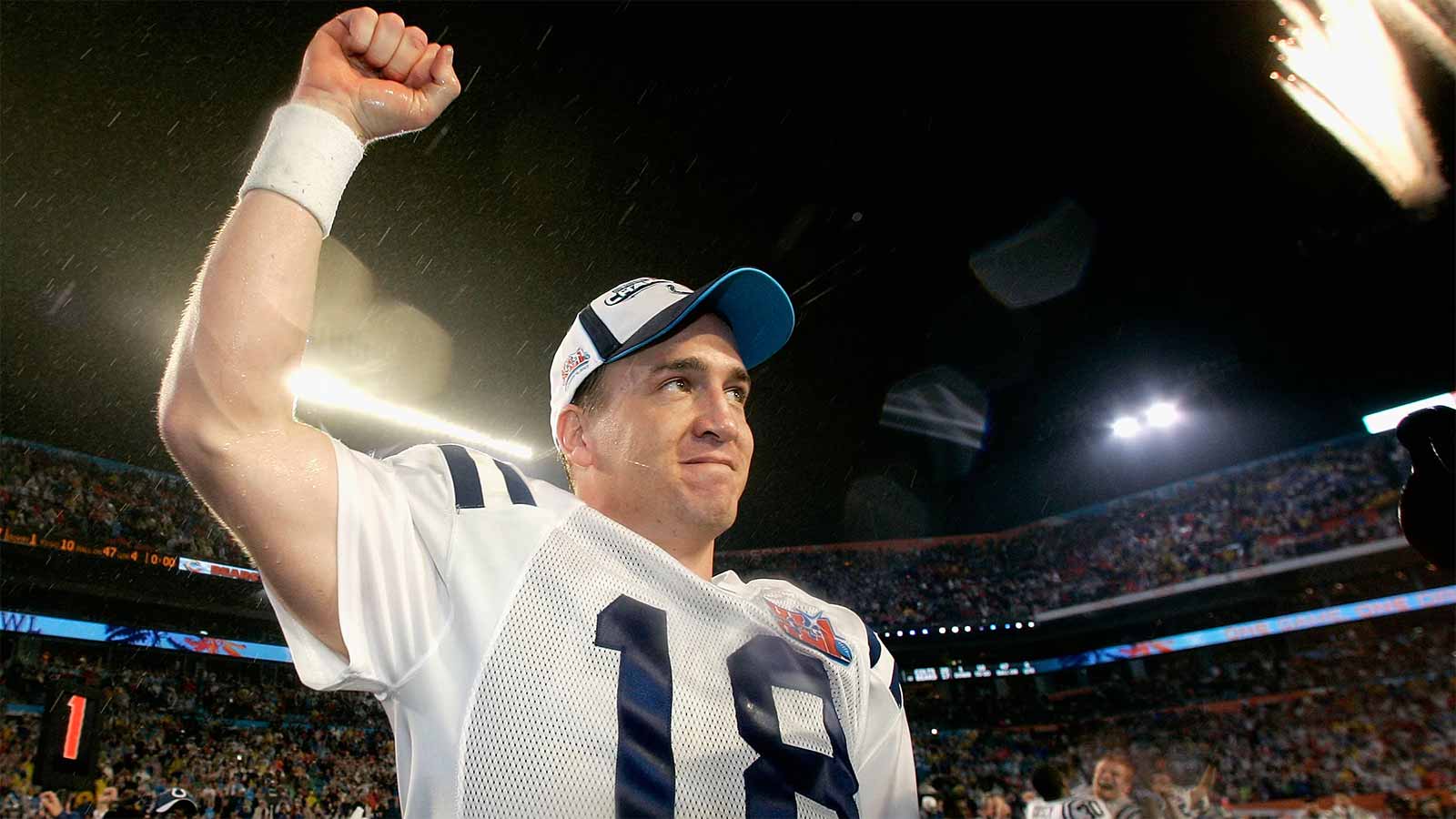
Peyton Manning’s career offers a nuanced answer to the “ring or MVP” question. By the time he hoisted his first Lombardi Trophy with the Indianapolis Colts in 2007, Manning was already a two-time MVP. The narrative around him had often been that he “couldn’t win the big one.” Critics focused on postseason disappointments, glossing over his regular-season dominance: record-breaking passing yards, touchdowns, and a cerebral approach to reading defenses that changed how the position was played.
In fact, Manning’s first Super Bowl win came at age 30, after years of playoff heartbreak. His second ring, with the Denver Broncos in 2016, was won in the twilight of his career, with his arm strength diminished but his leadership and game management on full display. These milestones didn’t erase the earlier scrutiny, but they reshaped the discussion about what it means to be a championship quarterback.
Ryan Clark’s defense of Lamar Jackson highlights the same tension Manning faced: “To use the metric of quarterbacks with multiple MVPs that don’t have Super Bowls is truly, truly disingenuous… All of those other quarterbacks are finished with their career outside of Patrick Mahomes, who we hold to a different standard.” Manning’s career arc shows that greatness isn’t always linear—and that postseason success often requires more than individual brilliance.
Playoff Pressure and the Manning Standard
For years, the narrative around Manning revolved around playoff pressure. His regular-season stats were historic, but postseason losses overshadowed them. Critics said he melted under pressure, while supporters pointed to factors outside his control: defense, coaching, and luck. The scrutiny was relentless, but Manning’s perseverance and eventual Super Bowl wins reframed his story.
It’s worth noting that Manning’s playoff struggles weren’t unique. Many elite quarterbacks—Aaron Rodgers, Drew Brees, even Dan Marino—have faced similar criticism. The quarterback position is uniquely exposed in the postseason, where one interception or missed opportunity can erase months of excellence. Manning’s journey, with its peaks and valleys, is a reminder that winning is a team effort, and that individual greatness can exist alongside disappointment.
Influence Beyond the Numbers: Manning’s Lasting Impact
Beyond the debate over rings and MVPs, Manning’s influence on the NFL is undeniable. He was a pioneer in pre-snap reads, audibles, and offensive control. Coaches and players alike credit him with raising the standard for preparation and execution. His rivalry with Tom Brady defined an era, and his mentorship of younger quarterbacks continues to shape the league.
Even as the spotlight shifts to new stars like Patrick Mahomes and Lamar Jackson, Manning’s legacy endures. He remains a touchstone for discussions about leadership, football IQ, and the intangible qualities that separate good quarterbacks from great ones.
Comparisons and Context: The Ever-Shifting Quarterback Debate
The ongoing quarterback debate reveals more about the changing landscape of the NFL than about any one player. As Ryan Clark noted, comparing a 28-year-old Lamar Jackson to retired legends is “crazy” and ignores the reality that careers take time to unfold. Manning’s own story is proof that early criticism can give way to later triumphs.
Ultimately, the obsession with Super Bowl rings risks overshadowing other forms of greatness. Manning’s two rings complement, but don’t define, his legacy. His true impact lies in the way he elevated the quarterback position—and in how his story continues to inform debates about what it means to be “overrated” or “underrated.”
As the NFL evolves, and as new talents rise and fall, Peyton Manning’s career offers a lesson in patience, context, and the complex nature of greatness.
Assessment: Peyton Manning’s journey, marked by both criticism and celebration, exemplifies the challenges of defining greatness in the NFL. His career reminds us that MVPs, playoff records, and Super Bowl wins are important, but no single metric captures the full measure of a quarterback. Manning’s legacy endures not because he met every expectation, but because he reshaped them—showing that true greatness is forged in the tension between triumph and adversity.