
Quick Read
- TSA staffing shortages at PHL led to the closure of three security checkpoints, resulting in longer wait times for passengers.
- Nearly 25% of the TSA workforce at PHL called out on March 22 as the federal shutdown causes workers to miss their third consecutive paycheck.
- Airport authorities are now advising domestic travelers to arrive 2.5 hours early, while international passengers should allow 3.5 hours for security screening.
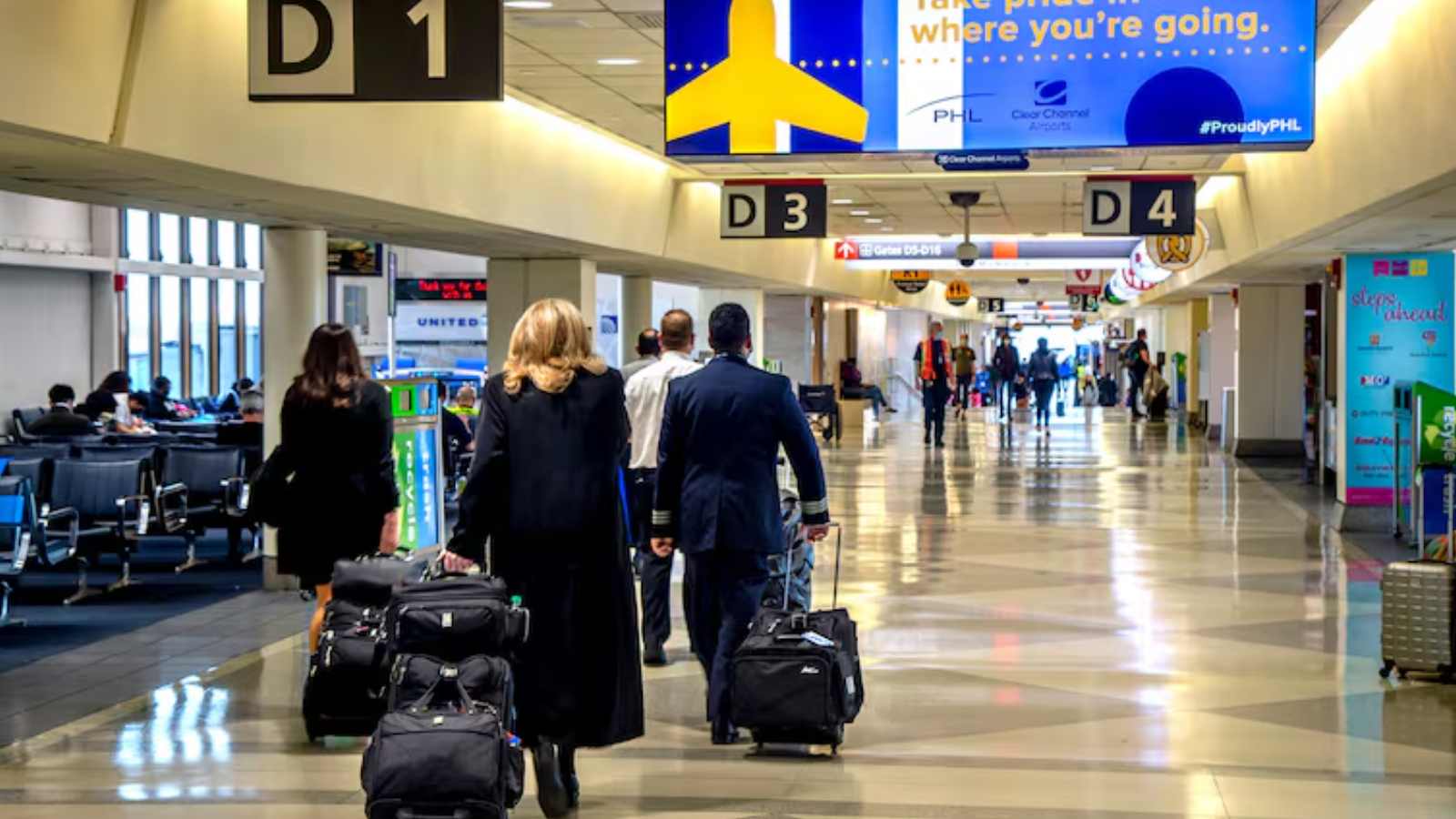
PHILADELPHIA (Azat TV) – Travelers passing through Philadelphia International Airport (PHL) are facing heightened uncertainty this week as the airport continues to operate with reduced security checkpoints amid a prolonged partial federal government shutdown. As of Tuesday, March 24, multiple terminals remain closed to passenger screening, forcing the airport to consolidate operations and advise significantly earlier arrival times.
Impact of TSA Staffing Shortages at PHL
The operational strain is a direct consequence of a nationwide staffing crisis within the Transportation Security Administration. According to union representative LaShanda Palmer, president of AFGE Local 333, the situation has reached a critical juncture as employees approach their third missed paycheck since the shutdown began. The financial pressure has led to a surge in unscheduled absences; recent data indicates that nearly 25% of the TSA workforce at PHL called out on Sunday, March 22, compared to a 12% national average.
The absenteeism has forced the closure of security checkpoints at Terminals A-West, C, and F. While the airport remains functional, the remaining open checkpoints—including A-East, B, and D/E—are managing the entire passenger volume. Airport authorities are now recommending that domestic travelers arrive at least 2.5 hours before departure, with international passengers encouraged to budget 3.5 hours to navigate the consolidated security lines.
Escalating Tensions and Political Standoff
Beyond the logistical challenges, morale among the workforce is deteriorating. Palmer described the current environment as “very disheartening,” citing both the lack of pay and the recent deployment of U.S. Immigration and Customs Enforcement (ICE) agents to airport facilities. The presence of these agents has caused friction among TSA officers, many of whom feel the environment has become increasingly volatile while they struggle to maintain personal financial obligations, including housing and vehicle payments.
Legislative efforts to resolve the impasse remain stalled. A proposal introduced by Senate Republicans on Tuesday aimed to restore Department of Homeland Security funding while specifically excluding ICE’s enforcement and removal operations. Democratic leadership rejected the deal, arguing that it fails to provide necessary oversight for immigration enforcement, ensuring the standoff—and the resulting airport staffing shortages—will persist through the remainder of the week.
The confluence of a federal funding stalemate and localized staffing shortages demonstrates how quickly administrative policy disputes can degrade critical infrastructure efficiency, leaving frontline workers to bear both the economic and operational burden of the impasse.