
Quick Read
- KeepZone AI completed a live pilot of AI-powered weapon screening at Pais Arena Jerusalem, screening 2,600+ visitors with low false positives.
- Kyle Scott’s death led to a $11 million estate dispute over Colorado Fire Aviation, with litigation ongoing between his heirs and business partner.
- Cattaraugus County IDA approved a new 20-year PILOT agreement for Alle-Catt Wind, redirecting $48 million in aid directly to local municipalities.
- Each pilot—security, aviation, and energy—reflects wider sector challenges and innovations in 2025.
AI Security Pilot at Jerusalem Concert: Shaping the Future of Venue Safety
In December 2025, the Pais Arena in Jerusalem became a testing ground for the future of public safety. Jeffs’ Brands, a company recently pivoting from e-commerce to homeland security, deployed its subsidiary KeepZone AI’s advanced concealed weapon detection system during a high-profile concert. Over two days, more than 2,600 VIP guests were screened as they walked in—no checkpoints, no emptying pockets, just a seamless passage under the watchful eye of artificial intelligence.
This was no theoretical demonstration. The Scanary system, paired with Zorronet’s video analytics, operated continuously and successfully identified guns and, for the first time in a live setting, pepper spray. Despite the high traffic and live environment, observed false-positive rates were low. Importantly, the integration required no changes to staffing or crowd flow, preserving the audience’s experience while boosting security. According to Alon Dayan, CEO of KeepZone, “Our responsibility was to design and manage the end-to-end operational framework and ensure that multiple systems could function together effectively in a live, high-traffic environment.” The venue’s general manager, Moshe Niv Nissim, emphasized the balance between safety and efficient, respectful entry, stating that “it is possible to combine a high level of security with an efficient, fast, and respectful entry process for the audience.”
The market took notice. Jeffs’ Brands’ stock surged over 10% following the news, reflecting investor confidence in tangible progress. The pilot fits into a broader series of strategic moves: exclusive distribution agreements, leadership changes, and new stadium rights—all designed to position the company at the forefront of AI-driven security. However, past volatility suggests that sustained enthusiasm will depend on further commercial deployments and contracts. The pilot’s success marks a significant step, but the path to widespread adoption remains challenging.
Aviation Pilot’s Death Sparks $11 Million Estate Dispute in Colorado
While technology pilots push boundaries in public safety, the aviation world is wrestling with a very different kind of pilot story—a legal battle over legacy and business succession. On September 5, 2024, Kyle Scott, an experienced agricultural pilot, died tragically in a crash near Fort Morgan, Colorado. His death triggered more than grief: it set off a complex dispute over the future of Colorado Fire Aviation, the $22 million company he co-founded.
Scott and his business partner, Chris Doyle, had a succession plan in place since 2017, anticipating that either could pass away unexpectedly. Under the agreement, Scott’s widow and brother—Jennifer and Wade Scott—should have been bought out for at least $11.1 million, reflecting half the company’s value. But Doyle, surprised by the high valuation and unable to pay, explored selling the company instead. According to the lawsuit filed by Scott’s heirs, Doyle allegedly sabotaged negotiations with prospective buyers by demanding unreasonable terms for financing and his own post-sale role. In response, Colorado Fire Aviation claims Doyle has been working to resolve the matter amicably, while preparing to enforce the agreed valuation process. Attorneys on both sides are now locked in a contract dispute, with the company’s future hanging in the balance.
This case highlights the critical importance of clear succession planning, especially in high-value, high-risk industries. It also exposes the emotional and financial complexities that can arise when tragedy intersects with business obligations. The legal outcome will likely set a precedent for similar partnerships, underscoring that even the most prepared agreements can be tested by unexpected events and conflicting interests.
Renewable Energy PILOT Agreement Reshapes Local Aid in New York
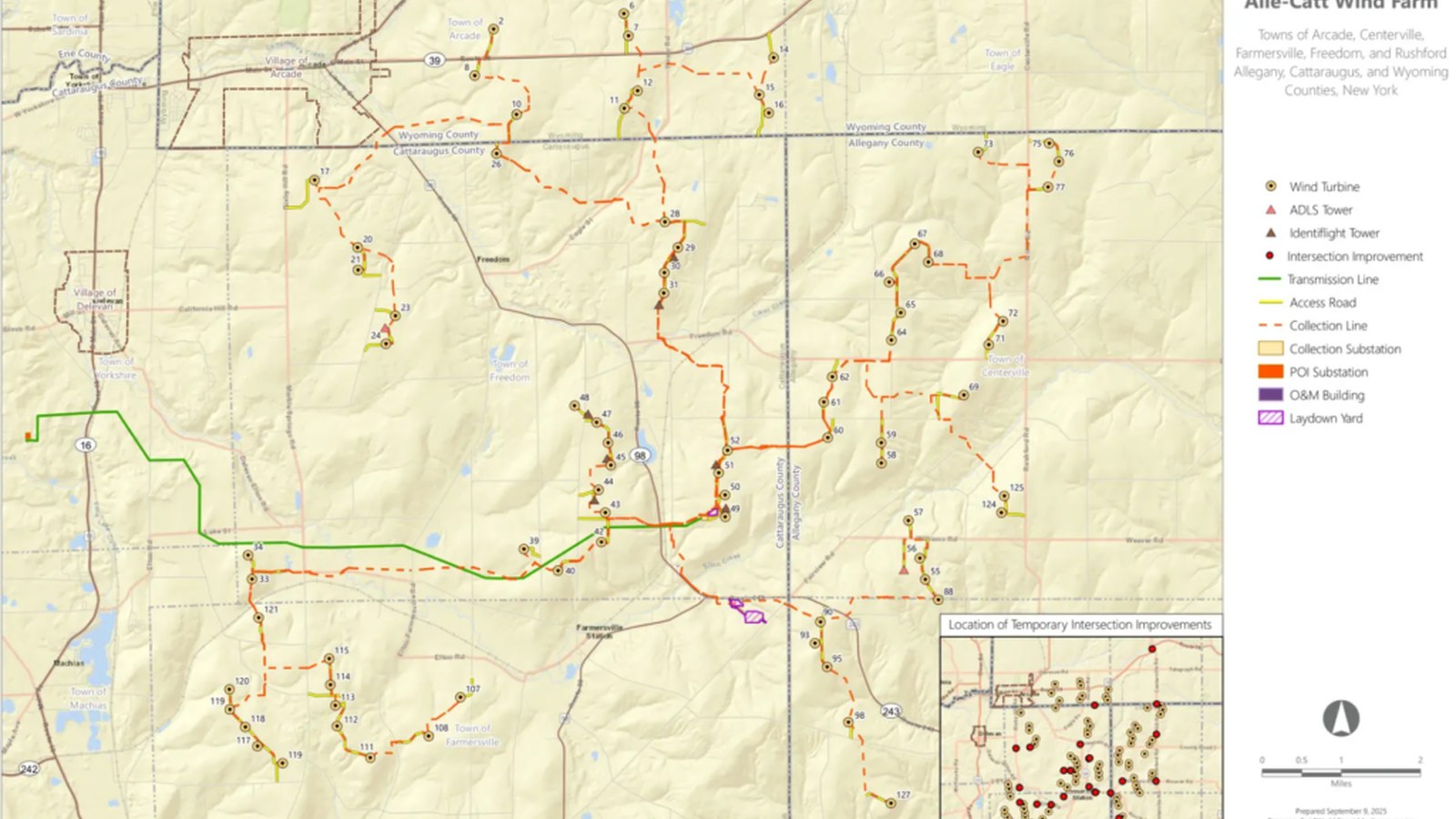
‘Pilot’ can mean many things—and in the world of renewable energy, it’s an acronym for Payment In Lieu Of Taxes (PILOT), a tool often used to incentivize large infrastructure projects. In December 2025, the Cattaraugus County Industrial Development Agency (IDA) approved a new PILOT agreement for the Alle-Catt Wind project, which is building wind turbines across several towns in western New York.
Unlike previous deals, this 20-year agreement eliminates company payments to the IDA, with all financial aid now flowing directly to affected municipalities—counties, towns, and schools. The new Host Community Agreements (HCAs) are valued at $48 million over two decades, promising substantial benefits to local governments. For example, the town of Freedom will receive $16.88 million, and Cattaraugus County nearly $11 million. The project itself has evolved dramatically since its conception in 2015, with the number and size of turbines adjusted to meet power goals efficiently. Now, 76 turbines are planned, generating significant renewable energy and creating up to 125 temporary jobs and 10 permanent positions.
The revised PILOT reflects growing scrutiny of how corporate incentives are distributed and the need for direct municipal support. Local officials, including long-time critic Ginger Schroder, were credited for advocating these changes. The agreement sets a new standard for transparency and community benefit, offering a blueprint for future renewable energy projects.
Pilots of Change: Technology, Law, and Energy in 2025
Across sectors, the concept of a ‘pilot’—be it a trial run of new technology, a legal contract triggered by loss, or a financial instrument for infrastructure—remains a driver of innovation and controversy. In Jerusalem, AI is quietly revolutionizing security at public venues, promising safer, smoother experiences but facing hurdles to broader adoption. In Colorado, the death of a pilot exposes the frailties of business partnerships and the need for robust legal frameworks. And in New York, a new PILOT agreement redefines how renewable energy projects support local communities, shifting the balance of power and resources.
Each story is a microcosm of larger trends: the collision of technology and tradition, the tension between public good and private interest, and the ongoing negotiation between risk and reward. As 2025 unfolds, these pilot projects and disputes will shape not only their respective industries but also public perceptions of progress and fairness.
Assessment: The events covered here demonstrate that ‘pilot’ initiatives—whether technological, legal, or financial—are more than just tests or transitional tools. They are inflection points that reveal underlying challenges, spark innovation, and force stakeholders to confront uncomfortable truths. The AI security pilot in Jerusalem is a glimpse of a safer future but must overcome operational and commercial barriers. The Colorado aviation dispute is a cautionary tale about succession planning and partnership trust. The Alle-Catt Wind PILOT is a model for equitable community benefit in energy projects. Together, these pilots signal that the real work begins not at launch, but in the aftermath—where decisions and outcomes shape the road ahead.