
Quick Read
- Pluribus, Vince Gilligan’s new sci-fi drama, debuts on Apple TV on November 7, 2025.
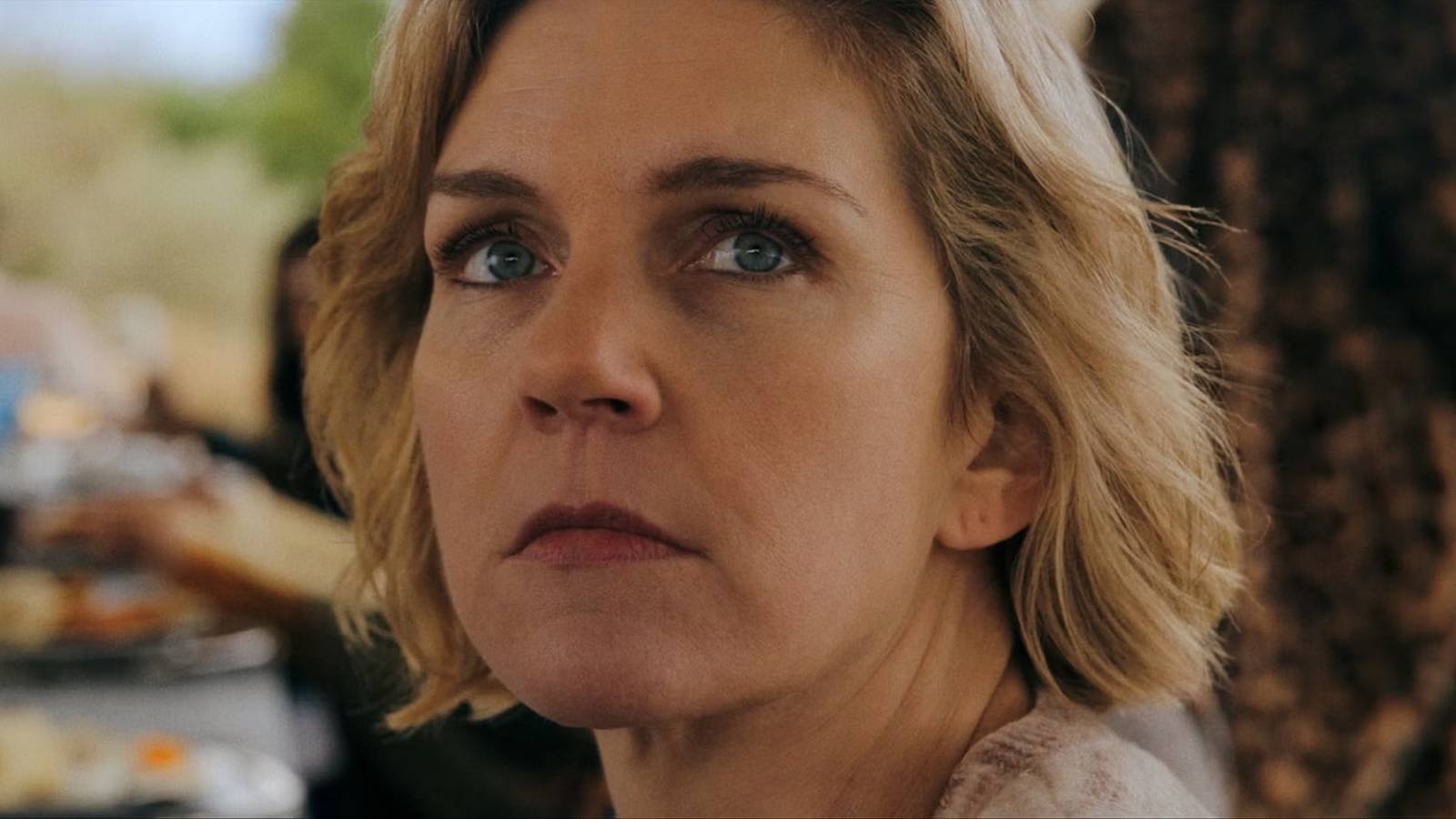
- Rhea Seehorn stars as Carol Sturka, the only person immune to a happiness-inducing virus.
- The show explores themes of conformity, individuality, and the price of universal happiness.
- Produced by Sony Pictures Television, Pluribus is Gilligan’s first major project since Better Call Saul.
- Episodes will release weekly through December 26, 2025.
What Is Pluribus Really About?
For months, Apple TV has teased audiences with cryptic trailers for Pluribus—Vince Gilligan’s first major project since Better Call Saul. Viewers, drawn in by the mystery and the star power of Rhea Seehorn, have been left wondering: what is this show really about? The official logline offers a tantalizing premise: Carol Sturka (Seehorn) is «the most miserable person on Earth» who must save the world from happiness. But what does that mean?
As the full-length trailer reveals, Carol is an outlier in a society swept by an unexplained ‘virus’—one that infects the global population and transforms everyone into perfectly content individuals. Carol alone remains immune, a fact that both frustrates and isolates her. The President of the United States, depicted in the trailer, tells Carol reassuringly, «We will figure out what makes you different… so you can join us.» Scientists in sterile labs prod and test, desperate to unlock the secret to Carol’s immunity. But for Carol, the real struggle isn’t just against the virus—it’s against the pressure to conform, and the loneliness of being the only dissenting voice in a world obsessed with happiness.
Vince Gilligan’s Vision: A World Too Nice?
Pluribus didn’t emerge overnight. In interviews, Gilligan recalls how the idea came during lunch breaks while filming Better Call Saul. Strolling through quiet neighborhoods, he wondered: what would happen if everyone was not just nice, but incapable of being offended? In Gilligan’s words, «There was no way you could insult them. There was no way you could hurt their feelings. But they would do anything and everything for you.» It’s a premise that nods to The Twilight Zone—a world so sanitized, so relentlessly positive, that the very notion of conflict evaporates. Yet, as Gilligan’s work often shows, even paradise can be unsettling.
Carol’s misery is not just a personal quirk—it’s a narrative device. She’s the only one who resists the ‘happiness wave,’ and the only one capable of seeing the cracks beneath the surface. The series poses a provocative question: is happiness truly valuable when it’s universal and unquestioned? Or does the absence of struggle, pain, and authentic emotion make us less human?
Cast, Characters, and Creative Team
Gilligan crafted the role of Carol Sturka with Rhea Seehorn in mind, drawing on her acclaimed performance as Kim Wexler in Better Call Saul. He describes Carol as «trying very hard to be good. She’s a bit of a damaged hero, but she’s a hero nonetheless.» Joining Seehorn are Karolina Wydra (Sneaky Pete) and Carlos Manuel Vesga (The Hijacking of Flight 601), with guest stars Miriam Shor (American Fiction) and Samba Schutte (Our Flag Means Death), each playing roles that further complicate Carol’s world.
The production is a heavyweight collaboration: Sony Pictures Television produces, with Gilligan executive producing alongside Gordon Smith, Alison Tatlock, Diane Mercer, Allyce Ozarski, and Jeff Frost. Jenn Carroll and Trina Siopy serve as co-executive producers. The writing team includes Ariel Levine, whose work helps shape the series’ genre-bending blend of drama, sci-fi, and dark comedy (IndieWire, IGN).
Social Commentary Beneath the Sci-Fi Surface
Pluribus isn’t just another dystopian drama. It’s a pointed social commentary on the dangers of enforced conformity and the cost of sacrificing individuality for collective peace. The show’s title itself—Latin for «of many»—nods to the idea of unity at the expense of diversity. In the trailer, Carol’s resistance isn’t portrayed as heroism in the traditional sense. She’s not out to save the world with grand gestures. Instead, she’s reluctant, burdened by a sense of duty she never asked for.
Gilligan’s storytelling is known for layered characters and moral ambiguity. Pluribus takes this further, using Carol’s internal struggle as a mirror for society’s own discomfort with dissent. The series asks: What happens when happiness is no longer a choice, but a mandate? And what is lost when the last unhappy person is «fixed»?
Release Details and Audience Expectations
Pluribus debuts on Apple TV on November 7, 2025, with new episodes released weekly until December 26. The two-season, straight-to-series order signals Apple’s confidence in Gilligan’s vision and the show’s potential to spark conversation. Early teasers have invited comparisons to Lost—layers of mystery, a sprawling cast, and a central puzzle that promises to unfold slowly (CinemaBlend). Yet, Gilligan’s unique blend of dark humor and emotional complexity suggests Pluribus will carve out its own space in the genre.
Fans of Breaking Bad and Better Call Saul may find familiar elements: intense character studies, moral dilemmas, and a desert landscape that echoes Gilligan’s earlier work. But Pluribus is a departure, pushing past crime drama into speculative fiction. It’s a risk—and a promise of something new.
What to Expect: Layers, Mystery, and Humanity
If the trailers are any indication, Pluribus will not hand viewers easy answers. Instead, it’s likely to challenge audiences to think deeply about the nature of happiness and the role of suffering in human experience. The series seems poised to deliver twists, philosophical debates, and moments of uncomfortable humor. Rhea Seehorn’s performance as Carol anchors the story, offering a protagonist who is both relatable and enigmatic.
As critics and fans speculate, one question lingers: Is Carol’s misery a flaw, or is it a form of resistance—an act of defiance against a world that demands uniformity? In Gilligan’s hands, even the smallest personal rebellion can spark profound change.
Pluribus emerges as a daring experiment in television storytelling, blending speculative fiction with real-world anxieties about happiness, conformity, and individuality. Gilligan’s choice to center the narrative on a single, miserable woman—tasked with saving the world from bliss—invites audiences to reconsider what it means to be truly human. In a landscape saturated with dystopian tales, Pluribus stands out by asking not how to survive a broken world, but whether perfection is worth the price.