
Quick Read
- Pokrovsk remains under intense Russian attack, critical for Ukraine’s eastern defense.
- Ukraine’s justice and energy ministers resigned amid a $100m corruption probe.
- The corruption scandal centers on alleged kickbacks within state nuclear firm Energoatom.
- Millions in Ukraine face daily power cuts as energy infrastructure suffers.
- EU membership hopes threatened by ongoing corruption issues.
Pokrovsk’s Strategic Role in the Ukraine War
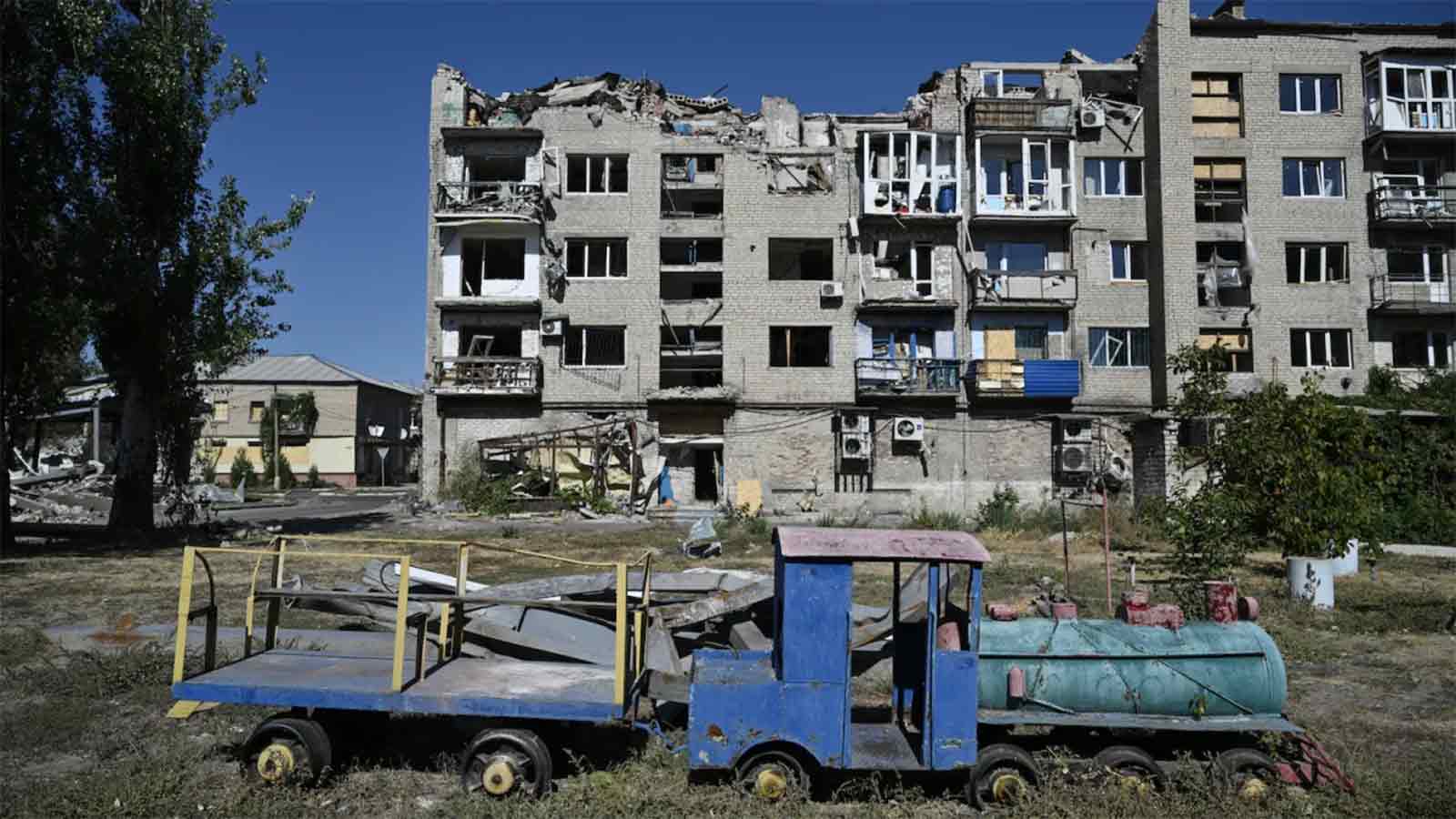
In the shadow of Ukraine’s eastern front, Pokrovsk stands as more than just a name on the map—it’s a symbol of resistance and uncertainty. The city, once a bustling industrial hub, now finds itself battered by relentless Russian artillery and drone strikes, its fate hanging in the balance. For months, Pokrovsk has been the linchpin for Ukrainian defensive operations in Donetsk, with its rail connections and local infrastructure serving as a lifeline for troops and civilians alike.
But as the war grinds on into 2025, the question looms: can Pokrovsk hold out? The city’s fall would not only mark a tactical setback for Ukraine, but also further expose the country’s vulnerable heartland to Russian advances. Reuters reports that local officials are bracing for new waves of attacks, while humanitarian agencies warn of worsening conditions for the tens of thousands still sheltering in the region.
Corruption Scandal Shakes Ukraine’s Leadership
Amid the chaos of the battlefield, a different kind of crisis erupted in Kyiv. On November 12, Prime Minister Yulia Svyrydenko announced the resignations of Justice Minister German Galushchenko and Energy Minister Svitlana Hrynchuk, both embroiled in a sweeping $100 million corruption probe linked to the state nuclear power firm Energoatom. The resignations followed President Volodymyr Zelenskyy’s public call for accountability, underscoring the gravity of the allegations.
According to Ukraine’s Specialised Anti-Corruption Prosecutor’s Office (SAPO), the scheme was orchestrated by Timur Mindich, a businessman with close ties to Zelenskyy. SAPO investigators allege that Galushchenko helped channel illicit financial flows, forcing contractors to pay hefty kickbacks to secure deals or avoid payment delays. While Galushchenko hasn’t been formally named among the main suspects, his former adviser has been detained, and both ministers deny any wrongdoing.
In a statement, Galushchenko called his suspension a “civilised and correct scenario” pending investigation, vowing to defend himself in court. Hrynchuk, who took over the energy ministry after Galushchenko’s move to justice, has also denied profiting from the scheme.
Energy Sector Under Siege
The timing of the scandal could hardly be worse. With Russian forces targeting energy infrastructure, millions of Ukrainians endure daily blackouts, and the energy sector’s resilience is stretched to the limit. “Corruption in the energy sector is absolutely unacceptable,” Zelenskyy told the nation, emphasizing that public trust and effective governance are essential for both wartime survival and postwar reconstruction.
For Pokrovsk, the stakes are immediate. Damaged power lines and water supplies have left residents scrambling for basic necessities, while the local hospital struggles with shortages and frequent power cuts. The city’s mayor, speaking to Al Jazeera, described the situation as “a race against time” to restore services before winter fully sets in.
Implications for Ukraine’s European Future
Beyond the war zone, the corruption scandal threatens to undermine Ukraine’s bid for European Union membership—a process already contingent on deep reforms and transparent governance. The EU has repeatedly stressed that eradicating high-level corruption is a non-negotiable requirement. The current crisis, observers note, risks fueling skepticism among European partners and delaying much-needed financial aid.
Zelenskyy’s administration, facing mounting pressure both at home and abroad, has pledged full cooperation with anti-corruption agencies. Earlier this year, plans to reduce the independence of SAPO and the National Anti-Corruption Bureau of Ukraine were reversed after public outcry, signaling a renewed commitment to transparency.
Still, the road ahead is fraught with challenges. As Pokrovsk’s defenders dig in against fresh assaults, the government must also shore up public confidence—a task complicated by the specter of scandal and uncertainty about who will lead key ministries going forward.
Voices from Pokrovsk: Daily Life Amid Crisis
On the ground, Pokrovsk’s residents navigate a landscape transformed by war and deprivation. “We hear the shelling every night,” says Olena, a local teacher, “but what scares us most is the darkness when the power goes out. It feels like the city disappears.” Volunteers distribute food and medicine, but supplies are limited, and many families have been separated by evacuation orders.
Local businesses, once the backbone of the community, operate in survival mode. The city’s train station—a vital evacuation point—remains crowded with people desperate to flee or return home. Humanitarian workers, citing UNHCR data, warn that Pokrovsk’s population could dwindle further if the situation doesn’t improve.
What Comes Next for Pokrovsk and Ukraine?
As 2025 unfolds, Pokrovsk’s fate is entwined with Ukraine’s broader struggle for sovereignty, integrity, and reform. The battle for the city is not just a military contest, but a test of endurance for a nation confronting both external aggression and internal upheaval. While the corruption probe shakes faith in Kyiv’s leadership, the resilience of Pokrovsk’s people offers a counterpoint—a reminder that Ukraine’s future will be shaped by those who refuse to give up, even when the odds seem insurmountable.
The convergence of war and scandal in Pokrovsk reveals the complex reality Ukraine faces: defending territory and values simultaneously. The outcome in Pokrovsk will resonate far beyond its borders, influencing not only the military front but also the country’s democratic trajectory and its standing on the European stage.