
Quick Read
- Poland invoked NATO Article 4 after Russian drones entered its airspace.
- At least 19 drones were reported, with several shot down by Polish forces.
- The incident marks the first time Russian drones were neutralized over Poland.
- NATO allies have expressed solidarity, initiating consultations on collective security.
- Experts view the incursions as a deliberate test of NATO’s resolve.
Poland has taken the significant step of invoking Article 4 of the NATO treaty following a series of Russian drone incursions into its airspace. This unprecedented move underscores the rising tensions in Eastern Europe and highlights the growing threats to regional security.
What Happened: Drone Incursions and Immediate Response
On the night of September 9–10, Poland reported the incursion of 19 Russian drones into its airspace, with several of them being shot down by Polish and NATO-aligned forces. According to Polish Prime Minister Donald Tusk, the drones posed a direct threat to the country’s security. The incident marks the first time Russian drones have been shot down over Polish territory, a significant escalation in the ongoing conflict stemming from Russia’s war against Ukraine.
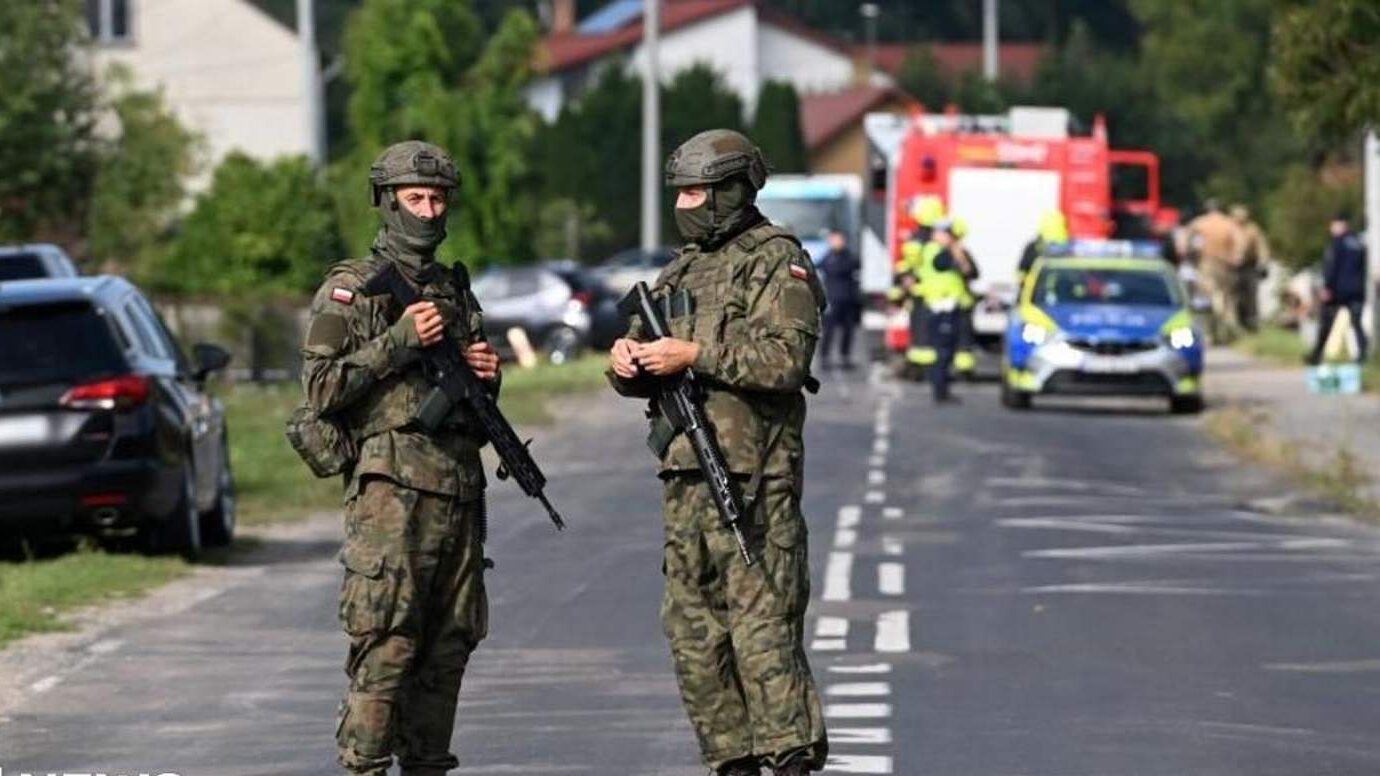
Images from the Polish village of Wyryki in the Lublin province reveal damage to residential structures, with emergency services and military units responding on-site. While Russian officials have denied the drones’ provenance, claiming they may have been “lost” due to navigational errors, Polish authorities, supported by NATO allies, have dismissed these explanations as implausible.
Understanding NATO Article 4
Article 4 of the NATO treaty allows member states to request consultations if they believe their territorial integrity, political independence, or security is under threat. Unlike Article 5, which mandates collective military defense, Article 4 focuses on initiating dialogue among member states to address emerging threats.
Since its inception in 1949, NATO’s Article 4 has been invoked sparingly, underscoring the gravity of Poland’s request. Polish authorities, including President Karol Nawrocki, have emphasized the need for immediate consultations to strengthen the country’s counter-drone defenses and prevent further violations.
Reactions from NATO and the International Community
NATO Secretary General Jens Stoltenberg has expressed solidarity with Poland, stating that the alliance remains committed to collective security. Neighboring countries, including Sweden, Latvia, and Norway, have also voiced their support, condemning Russia’s actions as “unacceptable” and “deeply concerning.”
Ukrainian President Volodymyr Zelensky described the incident as a “dangerous precedent for Europe” and called for a robust response from NATO allies. “The Russians must feel the consequences,” he stated, emphasizing the need for continued sanctions and military support for Ukraine.
Implications for Regional Security
Experts suggest that the drone incursions may have been a deliberate attempt by Russia to test NATO’s resolve. Lieutenant Commander Artur Bilski, a former NATO officer, noted that the scale and coordination of the incursions indicate a calculated provocation. “This is not an isolated incident but part of a broader strategy to challenge NATO’s unity,” he said in an interview with Polish media.
The situation has prompted Poland to enhance its territorial defense measures, including shortening reporting times for its Territorial Defence Force soldiers. Additionally, Polish authorities have issued public safety alerts, urging citizens to report any drone sightings and avoid approaching debris.
As consultations under Article 4 progress, the incident serves as a stark reminder of the volatile security landscape in Eastern Europe. Poland’s decisive actions highlight the importance of collective defense and the need for unwavering solidarity among NATO members in the face of growing threats.