
Quick Read
- Poland and allies scrambled jets after Russian drone and missile attacks threatened Polish airspace.
- Estonia invoked NATO Article 4 after three Russian fighter jets breached its airspace for 12 minutes.
- Ukraine has called for joint air defense efforts with Poland and Romania to counter Russian drones.
- European leaders demanded urgent action; US President Trump responded more cautiously.
- Russia denied all allegations of airspace violations, insisting flights followed international rules.
Russian Drone and Jet Incursions Put Polish Airspace on High Alert
In the shadow of war raging in neighboring Ukraine, Poland has found itself on the front lines of a new kind of battle—one fought not with tanks, but with drones and fighter jets slicing across invisible borders. In the early hours of Saturday, Poland’s military scrambled its aircraft and put ground-based air defense systems on maximum alert after Russian strikes on western Ukraine sent waves of missiles and drones perilously close to Polish territory. It was a night that tested not only Poland’s readiness but the very resolve of NATO itself.
According to the Polish operational command, “Polish and allied aircraft are operating in our airspace, while ground-based air defence and radar reconnaissance systems have been brought to the highest state of readiness.” This mobilization was not an isolated incident. In the past week alone, Russian drones breached Polish airspace, prompting urgent Article 4 consultations among NATO allies—a mechanism reserved for moments when the territorial integrity or security of a member is threatened.
NATO’s Eastern Flank Faces New Provocations
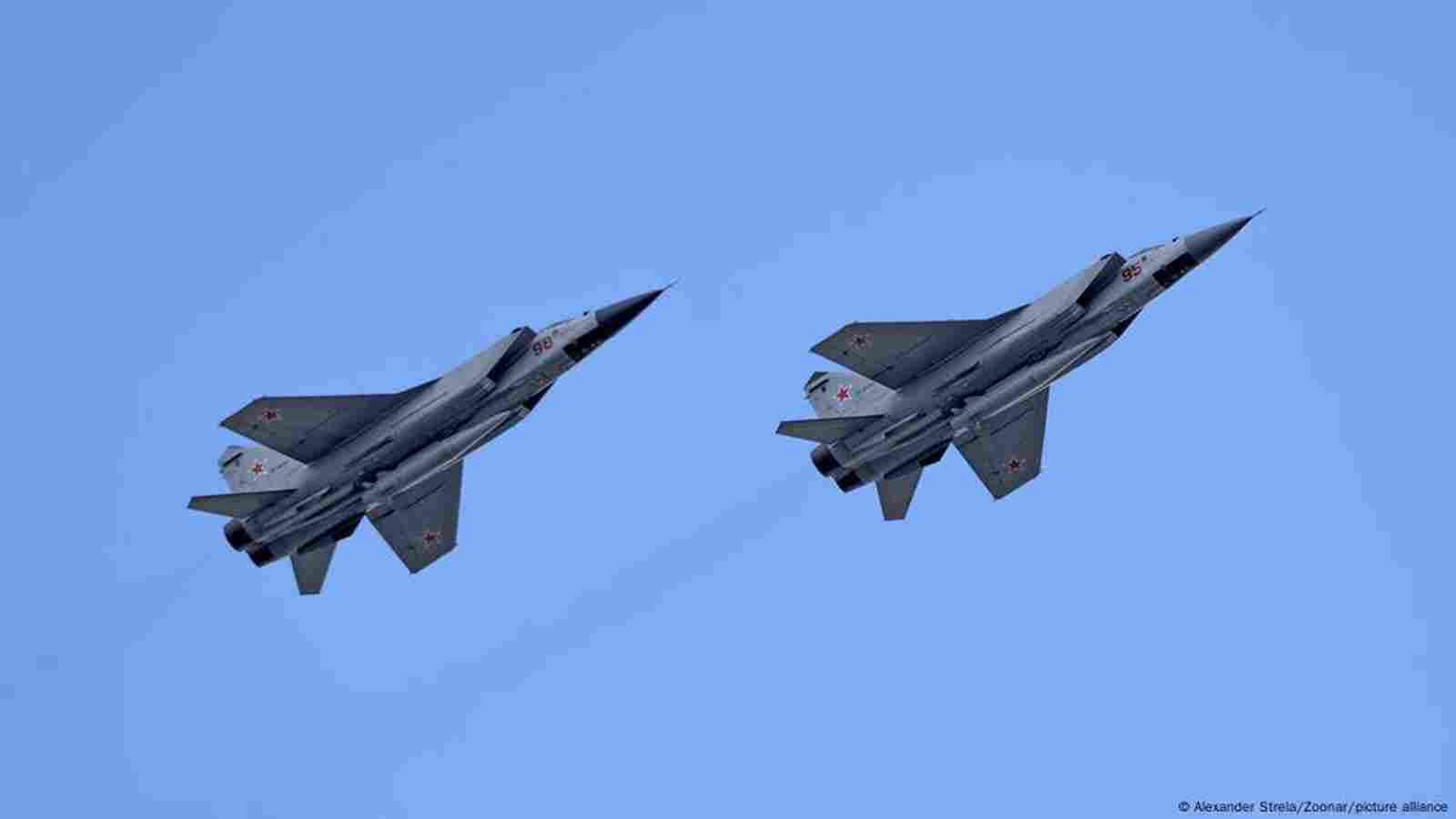
These incursions mark a worrying escalation. Just days before the Polish alert, three Russian MiG-31 fighter jets entered Estonian airspace, lingering for a tense twelve minutes. Estonia, another NATO member, immediately invoked Article 4, a rare step in the alliance’s history. Estonia’s Foreign Minister Margus Tsahkna called the incident “unprecedentedly brazen,” a sentiment echoed by European leaders who have watched with growing concern as Russia probes the eastern boundaries of NATO.
“It’s very clear that air defence must be a NATO priority,” said Estonian President Alar Karis, underscoring the urgency of the situation. The European Union’s foreign policy chief, Kaja Kallas, described the incursions as “extremely dangerous provocations” and warned that such actions further escalate regional tensions. The Petrobaltic drilling platform, owned by Polish energy giant Orlen and located in Poland’s exclusive economic zone in the Baltic Sea, was also targeted by Russian jets, although the Polish state border was not breached.
Regional Cooperation: Ukraine, Poland, and Romania Respond
The rapid succession of airspace violations has triggered calls for a unified defense strategy. Ukrainian President Volodymyr Zelenskyy, whose country has endured over three years of relentless aerial assaults, has urged Poland and Romania to join forces in countering Russian drones. “Ukraine has proven it can defend itself and Europe, but for a reliable shield, we must act together,” Zelenskyy declared, advocating for joint air defense operations that would extend across NATO’s eastern flank.
Western Ukraine, bordering Poland, is seen as the logical starting point for such cooperation. Ukrainian Defense Minister Denys Shmyhal announced plans for Ukrainian troops and engineers to train Polish counterparts in drone countermeasures. The expertise Ukraine has gained in building and deploying drones against Russian targets is now viewed as a vital asset for NATO allies seeking to bolster their own defenses.
Diverging Responses: European Urgency vs. U.S. Restraint
While European leaders have responded with urgency, signaling deep concern and advocating for stronger measures against Moscow, the United States has taken a more cautious approach. President Donald Trump, responding to the latest violations, remarked, “I don’t love it. I don’t like when that happens. Could be big trouble.” Yet, he stopped short of promising immediate sanctions or decisive action, suggesting instead that the U.S. would move only after NATO allies had taken the lead.
This divergence has not gone unnoticed. Brett Erickson, a sanctions expert at Loyola University, warned that “If the West hesitates, Russia will keep testing, probing, and collecting data on our response. Every incursion is a rehearsal. Unless we act decisively now, we are training Moscow to believe NATO is predictable, divided, and slow.” NATO’s acting U.S. ambassador to the United Nations, Dorothy Shea, attempted to reassure allies, saying, “Rest assured, we will defend every inch of NATO territory.”
Escalation and Consequences: The Stakes for NATO
Poland’s Prime Minister Donald Tusk described the drone and jet incursions as “the closest we have been to open conflict since World War II.” The sentiment is not hyperbole. Each breach, whether accidental or deliberate, ratchets up the risk of miscalculation and potential confrontation between Russia and NATO. Romania, too, scrambled jets after Russian drones entered its airspace, though it did not invoke Article 4.
European solidarity has been palpable. Germany’s Foreign Minister Johann Wadephul condemned Russia’s actions and pledged “full solidarity” with Estonia and other affected allies. Britain, responding to the crisis, deployed Eurofighter Typhoon jets to Poland, reinforcing NATO’s Eastern Sentry operation—a mission designed to shield the alliance’s vulnerable borderlands.
Meanwhile, Russia has denied all allegations of airspace violations. Its Ministry of Defense insisted that flights were conducted “in strict accordance with international airspace rules, without violating the borders of other states.” The claims, however, have not stemmed the tide of concern sweeping through NATO capitals.
The Broader Context: Ukraine Under Fire, NATO Under Strain
At the heart of these tensions lies the ongoing war in Ukraine. As Russian missiles and drones rain down on cities like Dnipro and Kyiv, killing civilians and destroying infrastructure, the ripple effects spill over into neighboring NATO states. Poland’s close proximity to the front lines makes it particularly vulnerable to spillover from Russia’s military operations.
Zelenskyy has repeatedly called for stronger international responses, including tougher sanctions and increased air defense support. “Every such strike is not a military necessity but a deliberate strategy by Russia to terrorize civilians and destroy our infrastructure,” he said, following a night of devastating attacks. The need for coordinated, decisive action has never been more apparent.
As NATO prepares for urgent consultations, the question looms: will the alliance present a united front, or will divisions persist in the face of Russian provocations? The answer may determine not just the fate of Poland’s airspace, but the stability of the region as a whole.
Assessment: The Russian drone and jet incursions into Polish and neighboring NATO airspace have laid bare both the vulnerabilities and strengths of the alliance. While the rapid military response and calls for regional cooperation demonstrate resolve, the diverging approaches between European leaders and the United States expose fissures that Moscow may seek to exploit. For Poland, the events are a stark reminder that vigilance and unity are essential—not just for its own security, but for the collective defense of Europe.