
Quick Read
- Poland and Estonia are developing the Mark I missile system to counter drones like the Shahed.
- The system is inspired by the war in Ukraine, focusing on cost-effectiveness against mass drone attacks.
- This partnership aims to provide a sustainable and economically viable defense solution against UAV threats.
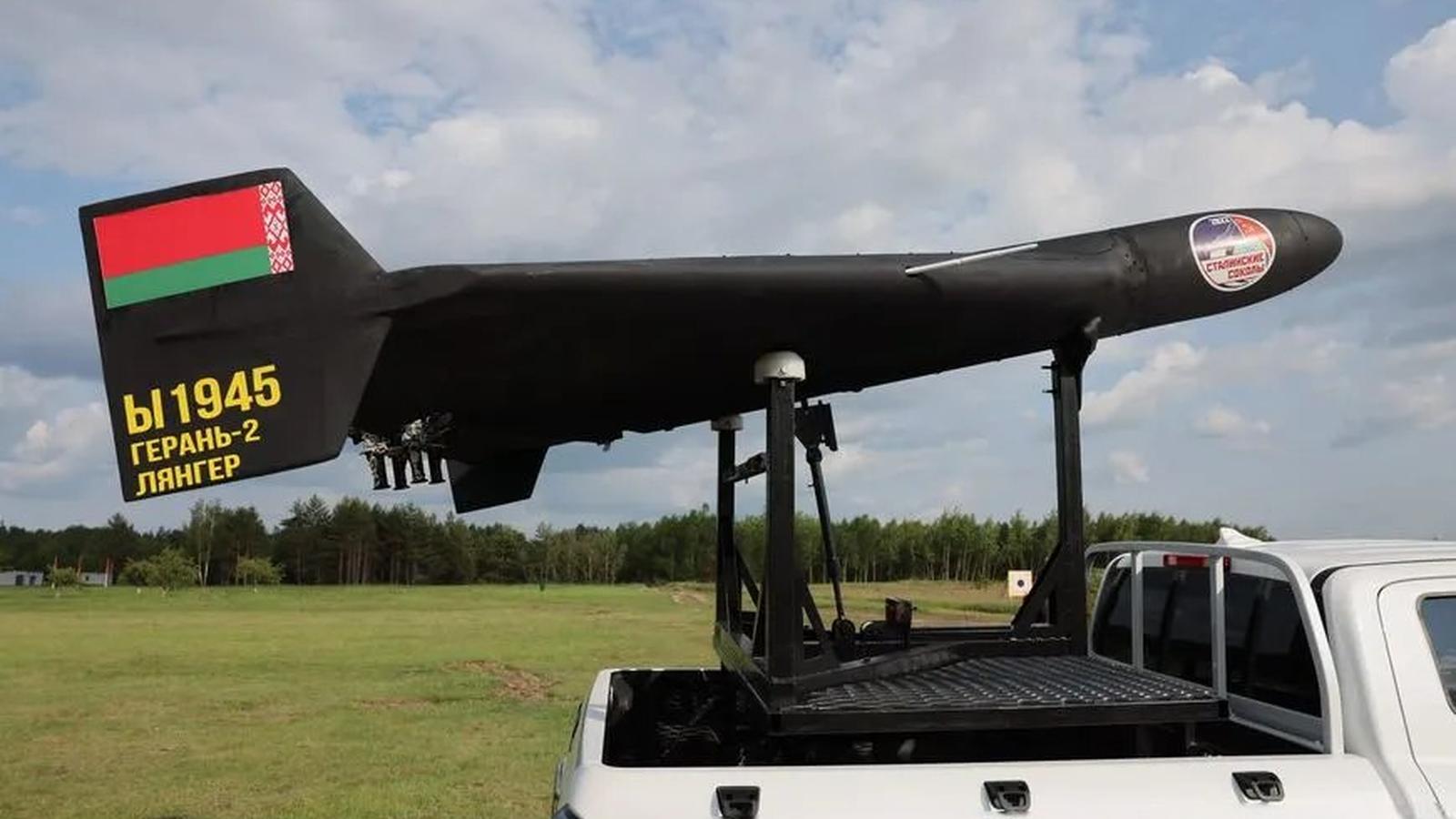
WARSAW (Azat TV) – Poland and Estonia are joining forces to develop and produce the Mark I missile system, a new defense asset specifically designed to counter low-cost, mass-produced unmanned aerial vehicles (UAVs), including those similar to Iran’s Shahed drones. The announcement follows a new agreement signed on March 27, 2026, between Poland’s state defense group PGZ and Estonian firm Frankenburg Technologies, as reported by Army Recognition.
Lessons from Ukraine Drive Defense Innovation
The impetus for the Mark I system stems directly from the operational realities of the war in Ukraine. Adam Leszkiewicz, President of PGZ, stated that the conflict has demonstrated the widespread use of inexpensive drones, rendering the deployment of more sophisticated and costly air defense systems economically and operationally unjustifiable. This strategic insight has become the foundational principle behind the Mark I’s development, aiming to provide an effective and sustainable counter-drone solution.
Mark I Missile System Capabilities
The Mark I missile system is primarily envisioned as a defense against drone threats, with a particular focus on one-way attack UAVs such as the Shahed. Its capabilities are also intended to extend to engaging targets that are somewhat faster than typical drones. The collaboration between PGZ and Frankenburg Technologies aims to leverage their combined expertise to bring this crucial capability to fruition, offering a cost-effective answer to a growing aerial threat.
Strategic Partnership for Cost-Effective Defense
The agreement between Poland and Estonia represents a strategic alignment to address a critical defense need that has emerged from recent conflicts. By focusing on a system that is both effective against current drone technology and sustainable in terms of cost, the partnership aims to provide a vital layer of defense without the prohibitive expense of traditional, high-end air defense platforms. The inspiration drawn from Kyiv’s experiences underscores the adaptability required in modern warfare.
The development of the Mark I missile system highlights a significant shift in defense strategy, prioritizing cost-effectiveness and adaptability in response to the proliferation of low-cost, high-volume drone threats that have reshaped modern conflict landscapes.