
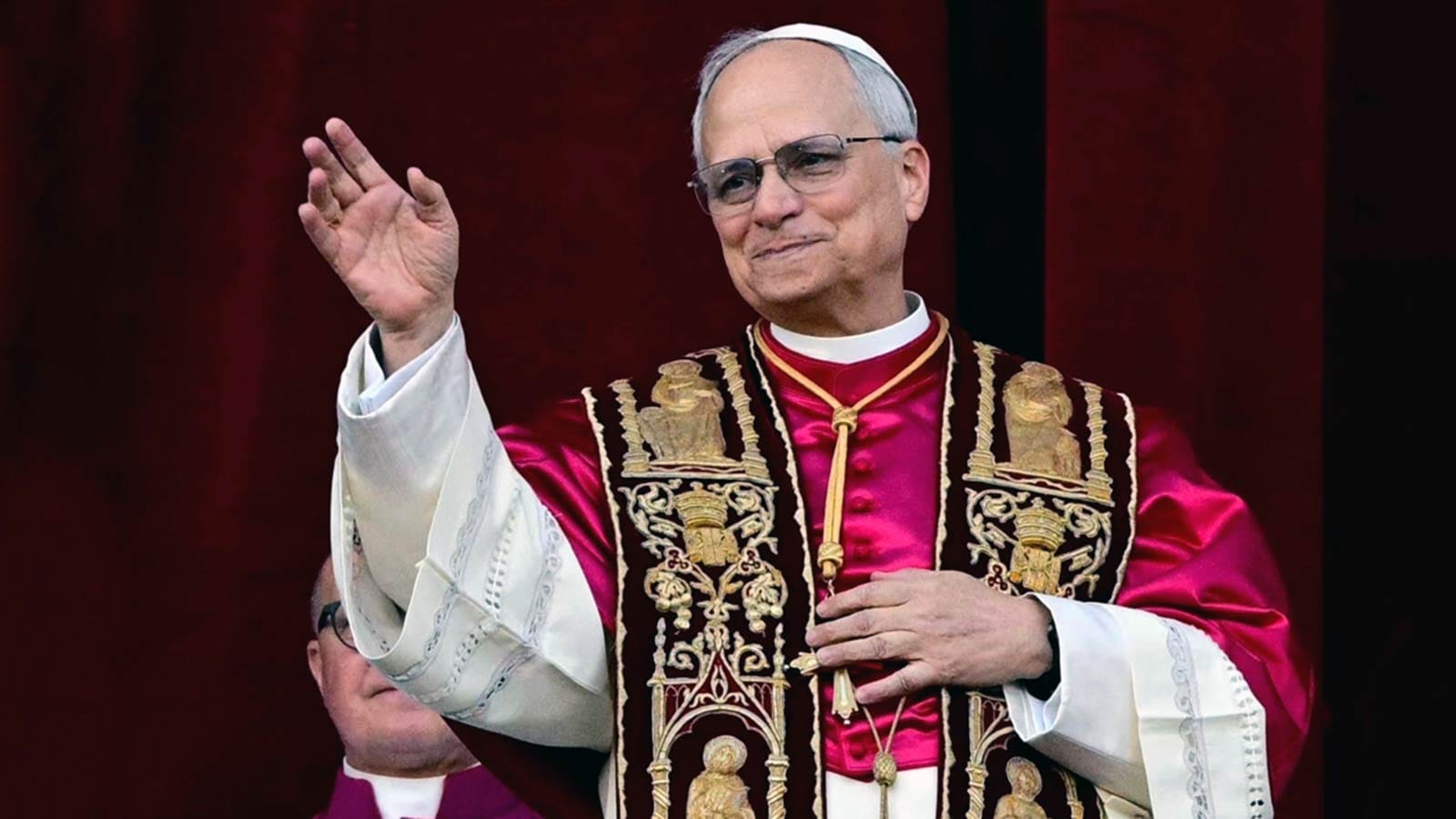
Quick Read
- Pope Leo XIV met with Bishop Mark Seitz and migrant advocates in Vatican City.
- The pope expressed solidarity with migrants facing U.S. deportation, according to attendees.
- Catholic leaders presented letters and videos from migrants affected by the Trump administration’s policies.
- The Vatican has not officially confirmed Pope Leo’s statements, but his support is widely reported.
- U.S. Catholic leaders continue to denounce mass deportations, calling for humane treatment.
Pope Leo XIV Meets U.S. Catholic Leaders to Discuss Migrant Crisis
In a solemn meeting at Vatican City on Wednesday, Pope Leo XIV welcomed El Paso Bishop Mark Seitz and members of the Hope Border Institute. Their purpose: to present the stories and fears of migrant families caught in the crosshairs of the Trump administration’s escalated deportation policies. The visit was more than a formal audience—it was a direct plea for empathy and action.
Seitz brought with him a packet of letters written by migrants, many of whom live under constant anxiety, fearing that any day could bring forced separation from loved ones. The bishop also shared a video, just four minutes long but packed with real voices, real faces, and raw emotion. The video depicted the daily struggles of families facing the threat of deportation. Dylan Corbett, executive director of the Hope Border Institute, described the pope’s reaction: “He watched the whole thing, and his eyes at the end were filled with tears.” (Politico)
Pope Leo XIV’s Response: A Message of Solidarity
Moved by the accounts, Pope Leo XIV reportedly told his guests, “You stand with me, and I stand with you, and the church will continue to accompany and stand with migrants.” These words, though not officially confirmed by the Vatican, have echoed across Catholic communities. For many, they signal a clear stance: the church sees the plight of migrants as a moral issue, not just a political one.
Seitz later told USA Today that the meeting aimed to ensure Pope Leo could “see and hear the stories and fears of our immigrant sisters and brothers from across our country.” According to the Holy See Press Office, the discussion centered on the potential deportation of millions of migrants who have lost legal status in the United States.
This intervention comes as many U.S. Catholic leaders have publicly criticized the Trump administration’s policy, which could see an estimated two million people deported. The White House, for its part, rejects allegations of inhumane treatment, with Press Secretary Karoline Leavitt stating on October 1 that the administration is simply enforcing existing immigration laws.
Divisions Within and Beyond the Church
The Catholic Church’s position is not without nuance. While Pope Leo XIV has expressed support for migrants, Vatican City itself enforces strict border controls, including fines and imprisonment for illegal crossings. According to the Catholic News Agency, offenders may face up to four years in prison. This contrast raises questions: How does the Church balance compassion for migrants with the realities of sovereign law?
For the Hope Border Institute, the mission is clear: pursue justice at the U.S.-Mexico border. Their work involves not just advocacy, but direct support for families facing deportation. The meeting in Rome reflects a broader trend—faith leaders stepping into the political debate, seeking to give a human face to policy decisions often rendered in cold bureaucracy.
Impact on U.S. Catholic Communities
Across the United States, Catholic parishes and organizations have responded to the migrant crisis with renewed energy. From sheltering families to providing legal aid, their efforts are a lifeline for those targeted by enforcement actions. Bishop Seitz and his colleagues are adamant: the Church cannot stand by while families are “terrorized” by the fear of deportation.
But the situation remains tense. As National Guard troops mobilize near major cities, and as federal lawsuits challenge the administration’s tactics, the fate of millions hangs in the balance. For migrants, the promise of solidarity from Pope Leo XIV and Catholic leaders offers hope—but no guarantees.
The broader Catholic community faces its own challenges. Not all members agree on the best approach to immigration, and some point to the Vatican’s own border policies as evidence of necessary pragmatism. The dialogue is ongoing, shaped by both principle and practical constraints.
Looking Ahead: A Call for Compassion and Justice
The meeting between Pope Leo XIV and U.S. Catholic leaders was not just symbolic—it was a deliberate effort to influence the debate. As the Trump administration presses forward with aggressive deportation policies, the voices from Vatican City add moral weight to the calls for humane treatment and comprehensive reform.
For now, the Hope Border Institute and its allies continue their work on the ground, providing assistance and amplifying the stories of those most affected. Pope Leo XIV’s message of accompaniment—whether officially confirmed or not—serves as a rallying point for Catholic advocacy. The struggle, however, is far from over.
In the coming weeks, as deportation efforts intensify and political rhetoric sharpens, the role of faith leaders may prove crucial. Their capacity to frame the issue as one of dignity and justice, rather than mere legality, could shape both policy and public perception. The challenge is clear: to ensure that compassion does not get lost amid the machinery of law enforcement.
Assessment: Pope Leo XIV’s meeting with Bishop Seitz and migrant advocates highlights the tension between legal enforcement and moral responsibility. By expressing solidarity with those at risk of deportation, the pope positions the Catholic Church as a defender of vulnerable communities, challenging policymakers to consider the human cost of their decisions. As the debate continues, the Church’s voice remains a potent force for compassion and justice—reminding us that behind every policy are real people, real fears, and real hopes.