
Quick Read
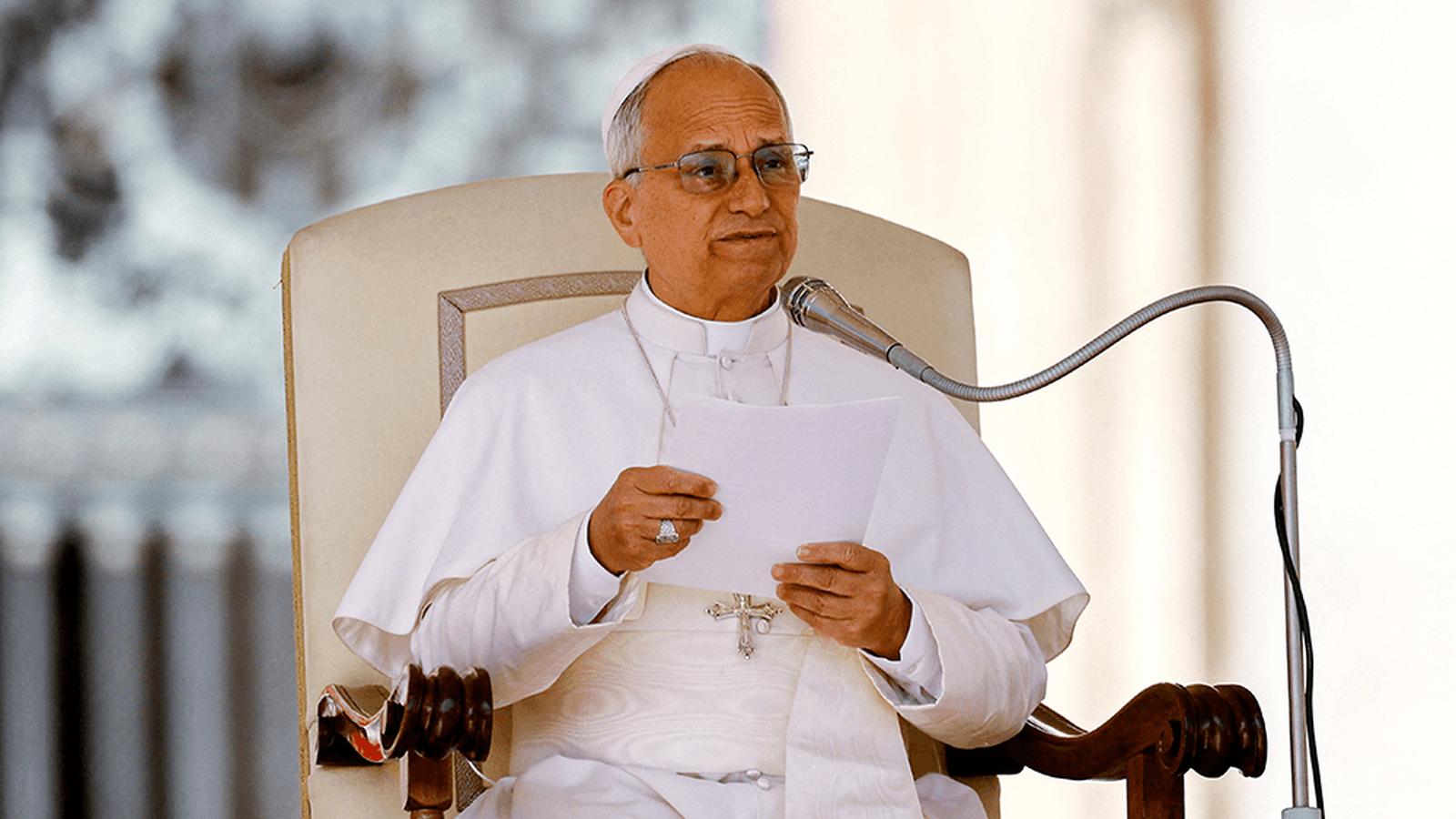
- Pope Leo XIV will visit Turkey and Lebanon from November 27 to December 2, 2025.
- The trip marks the 1700th anniversary of the First Council of Nicaea and aims to support Christian communities.
- In Lebanon, the visit comes amid economic and political crises and is seen as a sign of solidarity.
- Pope Leo has recently spoken out on migrant rights, promising support to those facing crackdowns.
- Meetings with political and religious leaders in both countries are expected.
Pope Leo XIV’s Historic Trip: Symbolism and Urgency in Turkey
On November 27, 2025, Pope Leo XIV will step onto Turkish soil, marking the start of his first international journey as pontiff. The trip is far from routine—it’s a pilgrimage, a commemoration, and a statement of intent. The primary purpose: to honor the 1,700th anniversary of the First Council of Nicaea, a landmark in Christian history. Iznik, once known as Nicaea, will host the pope as he participates in events that recall a gathering which, centuries ago, helped shape the bedrock of Christian belief—the Nicene Creed. Today, that creed still echoes in churches worldwide. (CNN)
But beyond history, the visit carries present-day significance. Turkey stands at a crossroads of faith and politics, where the threads of Christianity and Islam interweave, sometimes uneasily. Pope Leo’s agenda includes a highly anticipated meeting with Ecumenical Patriarch Bartholomew, spiritual leader to over 300 million Eastern Orthodox Christians. This encounter is seen by many as a gesture toward unity—a bridge across centuries of doctrinal divides. The pope himself, speaking in Castel Gandolfo, underscored that the moment is not only about looking back, but “to look forward.”
The Vatican’s invitation came from both civil and church leaders in Turkey. For the pope, the trip is a chance to affirm solidarity with Christian minorities and foster dialogue in a region often marked by religious tension and political complexity.
Lebanon Awaits: A Nation in Crisis Looks to Rome for Hope
On November 30, the papal convoy heads to Lebanon—a country where anticipation is palpable, and the stakes are high. Lebanon is no stranger to papal visits. John Paul II and Benedict XVI each brought moments of reflection and hope. Now, Pope Leo XIV arrives at a time when Lebanon is struggling with existential challenges: economic collapse, political gridlock, and a deepening demographic crisis fueled by emigration.
Lebanese President Joseph Aoun, himself a Maronite Christian, extended the invitation in June, and local leaders have expressed hope that the visit will galvanize efforts to rebuild a fractured nation. Lebanon’s unique fabric—a tapestry woven from Christian and Muslim threads—has long been held up as a “model of coexistence.” Yet, as recent events have shown, the fabric is fraying. In his remarks to the United Nations, Aoun described Lebanon as “a message” to the world, suffering yet indispensable. Saving Lebanon, he argued, is “a fundamental duty of humanity.” (Agenzia Fides)
Pope Leo’s trip is intended as more than a symbolic gesture. He comes as a listener, a witness to suffering, and a voice for reconciliation. The country’s Christian community, especially the Maronites—the largest Christian group—see the visit as a potential turning point. Father Raphael Zgheib, professor at Saint Joseph University in Beirut, told Agenzia Fides: “For the Lebanese, the Pope’s visit comes at a time of collective exhaustion. Lebanon is trying to free itself from the abyss.”
Echoing the words of John Paul II, Zgheib called for a renewal—a return to prayer, penance, and conversion. Only through spiritual and civic commitment, he argued, can Lebanese Christians—and by extension, all Lebanese—build together in the true spirit of the Church.
Migration, Dignity, and the Pope’s Global Message
While the Middle East forms the immediate backdrop of Pope Leo’s trip, his recent engagements highlight a broader concern: the plight of migrants and refugees. Just days before his departure, the pope met with Bishop Mark Seitz of El Paso, Texas, who delivered a packet of letters from migrant families caught in the crosshairs of U.S. immigration crackdowns. The stories are harrowing—families living in fear, legal immigrants detained, citizens afraid to leave their homes. The pope assured Seitz and his delegation, “I will stand with you,” reaffirming his commitment to the Gospel message of welcoming the stranger and caring for the poor. (Associated Press)
Leo’s advocacy for migrants is not new. He has publicly denounced the “coldness of indifference” and the “stigma of discrimination” faced by those fleeing violence and poverty. This message resonates deeply in Lebanon, a country that has both sent and received waves of migrants, and in Turkey, which remains a major transit point for refugees.
The papal journey, then, is more than a regional tour. It is a global call to recognize the dignity of all, regardless of nationality or faith.
Challenges and Hopes: The Road Ahead for Turkey and Lebanon
Pope Leo XIV’s visit comes at a time when both Turkey and Lebanon face critical junctures. In Turkey, the anniversary of Nicaea prompts reflection on faith and identity, but also on the potential for Christian-Muslim dialogue and greater tolerance. In Lebanon, the crisis is existential—can the country renew itself, or will it remain mired in instability?
President Aoun’s promise “to build an efficient country” is matched by the pope’s emphasis on unity and peace. Both leaders acknowledge that words alone are insufficient; decisive action is needed to guarantee sovereignty, restore governance, and heal divisions. The pope’s itinerary includes meetings with political and religious leaders, and it is expected he will commemorate the victims of the 2020 Beirut port explosion—an event that symbolized both the fragility and resilience of Lebanese society.
For ordinary Lebanese, the visit offers a rare moment of hope. Many see it as an opportunity to share their suffering with a global figure who can amplify their voice. The country’s “awakening,” as some call it, will require more than spiritual encouragement—it demands practical change. Whether the visit will inspire such change remains to be seen, but the symbolism is undeniable.
In Turkey, the emphasis is on unity in faith. The meeting with Patriarch Bartholomew is a reminder that Christian communities, despite their differences, share common roots and common challenges. The pope’s words—“We must not miss this historic moment”—reflect an urgency that transcends ceremony.
A Papal Mission Rooted in Reality
Pope Leo XIV’s first journey abroad is marked by a blend of solemnity and pragmatism. He travels as a shepherd, but also as a statesman—aware that gestures alone cannot solve deep-seated problems. The trip to Turkey and Lebanon is a test not just of his diplomatic skills, but of the power of faith to unite, heal, and inspire action.
The world will watch closely as the pope moves from Iznik to Beirut. For the communities he visits, and for those following from afar, the journey will be measured not only by words spoken but by the impact left behind.
As Pope Leo XIV steps into the heart of two nations at crossroads, his visit offers a rare intersection of history, faith, and urgent reality. The symbolic weight of Nicaea and the existential crisis of Lebanon converge in a narrative that is both ancient and immediate. Whether this journey will spark tangible transformation remains uncertain, but it undeniably amplifies the voices of those yearning for unity, dignity, and hope in a turbulent region.