
Quick Read
- Al-Babtain Power and Telecommunications achieved a 27% ROE, outperforming the industry average.
- The company’s net income grew by 37% over five years, driven by disciplined reinvestment.
- US military is expanding air operations in El Salvador amid regional tensions.
- Dynamic Space Operations are transforming military satellite tactics for greater resilience.
- Pacific Air Forces exercise highlights urgent need for AI, autonomy, and secure networks.
How Financial Power Drives Corporate Momentum
In the fast-paced world of global markets, few forces move a company’s fortunes as swiftly as strong financial fundamentals. Take Al-Babtain Power and Telecommunications (TADAWUL:2320) as a case study: its stock has surged by 11% over just three months, grabbing the attention of investors and analysts alike. But what’s really fueling this momentum? Is it simply market sentiment, or is there a deeper story—one of strategic management and disciplined reinvestment?
At the heart of Al-Babtain’s recent success lies its impressive Return on Equity (ROE), clocking in at 27% over the trailing twelve months to June 2025. For every SAR1 invested by shareholders, the company generates a profit of SAR0.27—a figure that far outpaces the industry average of 9%. This isn’t just a statistical blip. It’s a testament to how well the company deploys its capital, as noted by Simply Wall St.
ROE isn’t just a number—it’s a reflection of management’s ability to grow value and safeguard investor interests. Companies with high ROE and disciplined profit retention typically exhibit strong earnings growth, and Al-Babtain is no exception. Over the past five years, its net income has jumped by 37%, compared to an industry-wide growth rate of 14%. Such results suggest a winning combination: efficient profit reinvestment and strategic leadership.
Dividend Discipline and Earnings Retention
One of the keys to Al-Babtain’s sustained growth has been its balanced approach to dividends. The company’s three-year median payout ratio stands at 40%, meaning 60% of earnings are retained for reinvestment. This strategy supports both shareholder returns and future expansion. Notably, Al-Babtain has a track record of consistent dividend payments spanning at least a decade, reinforcing its reputation for fiscal responsibility.
Analyst consensus points to a stable future: forecasts project a continued payout ratio of around 33% over the next three years, with ROE expected to remain steady at 26%. The upshot? Investors can anticipate ongoing dividends without sacrificing growth potential—a rare balance in today’s volatile markets.
Military Might: Dynamic Forces in the Air and Space
While financial power shapes markets, another kind of force is redefining the global stage: military innovation. Recent developments highlight a shift from static operations to dynamic, technology-driven strategies. The U.S. military, for example, is expanding its presence in regions like El Salvador, deploying heavily armed aircraft in response to regional troop buildups (The New York Times).
Meanwhile, the evolution of military space operations has reached an inflection point. The old paradigm of predictable satellite missions is giving way to Dynamic Space Operations (DSO). This new approach emphasizes rapid adaptability—frequent changes in mission parameters, alternative satellite delivery methods, and resilient architectures that can withstand adversarial disruptions. As explained by the Mitchell Institute for Aerospace Studies, these changes are designed to maintain initiative and enhance deterrence, ensuring the United States stays ahead in the increasingly contested domain of space.
Technological Edge: AI, Autonomy, and Cyber Networks
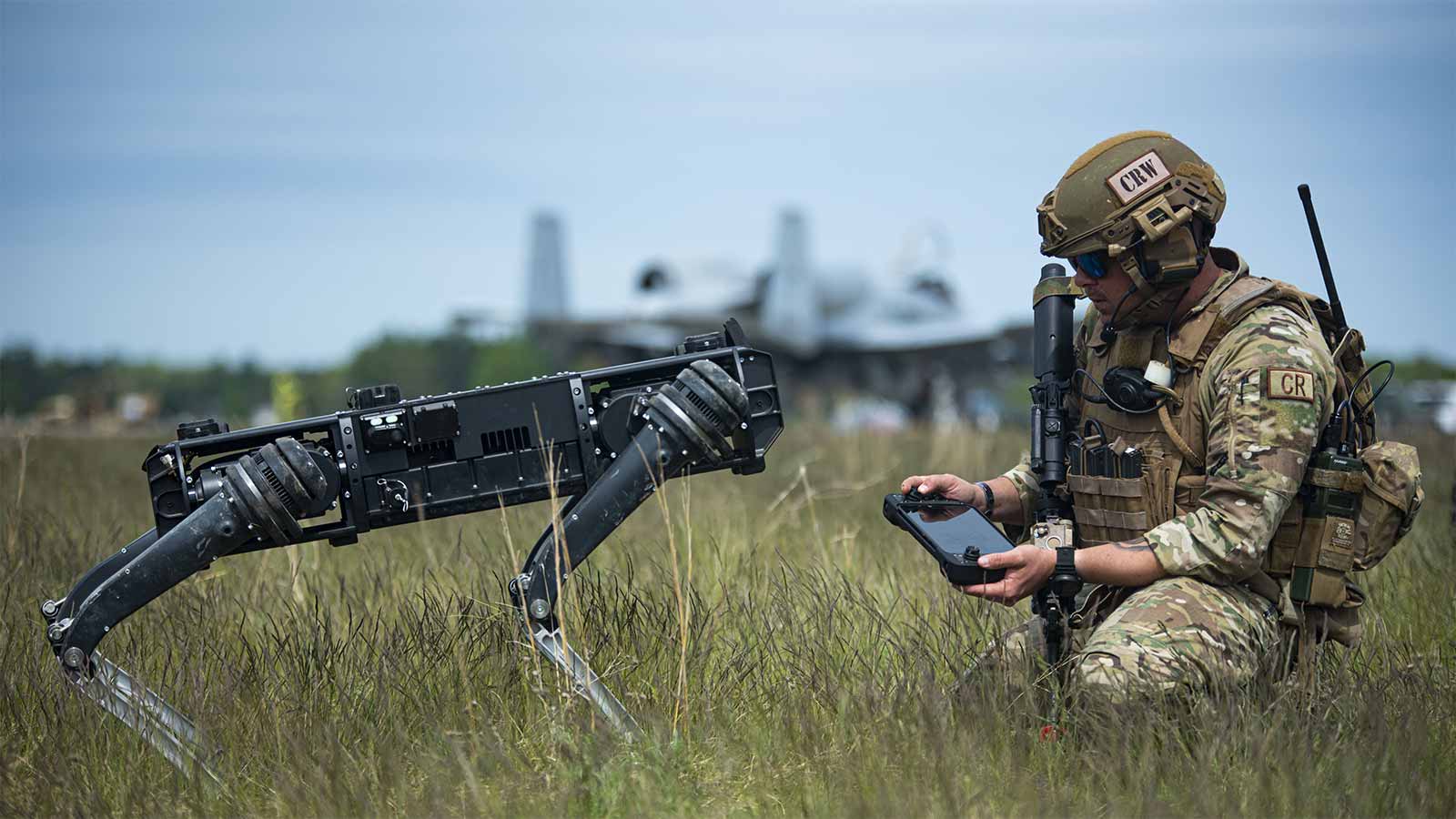
The demand for technological superiority isn’t confined to space. Air Force exercises in the Pacific (REFORPAC) have underscored the necessity for artificial intelligence, autonomy, and robust command-and-control networks. Leaders argue that these capabilities are vital for secure communications and resilience in expeditionary environments, especially in the face of relentless cyber threats (Defense One).
In parallel, the pursuit of advanced weaponry continues unabated. The GCAP fighter jet program, a collaboration between the UK, Japan, and Italy, aims to keep options open for a wide array of armaments and drone partnerships, reflecting the flexible demands of modern combat (Defense News). Greece, too, is on the cusp of deciding on a new electronic warfare suite for its upgraded F-16s, a move that signals the importance of staying technologically current (Breaking Defense).
Accountability and Workforce Challenges
No discussion of power would be complete without acknowledging the human element. The U.S. Air Force recently faced a challenge when falsified certifications were discovered in the KC-135 fleet’s maintenance records. Swift inspections and transparency were critical in restoring trust and ensuring operational safety (Aviation Week). At the same time, the Pentagon’s Cost Assessment and Program Evaluation office is grappling with a strained workforce and the need for new technologies—an issue that could impact future strategic planning (DefenseScoop).
Veterans, Benefits, and the Unregulated Coaching Industry
Behind the scenes, another force is at work: the burgeoning industry of firms coaching veterans on maximizing disability benefits. Influencers like “Combat Craig” have capitalized on the complexity of the Department of Veterans Affairs’ compensation system, creating a market where guidance comes at a price. While this helps some navigate bureaucracy, it raises questions about oversight and fair access (The Washington Post).
Power: The Common Thread
Across these diverse domains—corporate finance, military strategy, and social policy—a central theme emerges: power is rarely static. It’s shaped by adaptability, informed decision-making, and the ability to reinvest in the future. Whether it’s a company retaining earnings to fuel growth or a military force retooling its operations for resilience, the lesson is clear: those who wield power wisely are best positioned to thrive in uncertainty.
Al-Babtain Power and Telecommunications’ financial discipline and the U.S. military’s technological transformation both exemplify how strategic use of resources can drive sustainable progress. In a world where the definition of force is constantly evolving, the ability to balance innovation, accountability, and adaptability will remain the true measure of enduring influence.